For industrial laundries in Miami and beyond, managing high volumes of linens, uniforms, and garments efficiently is key to ensuring operational success. Industrial laundry RFID solutions are becoming indispensable for reducing labor costs and enhancing inventory management, especially in industries such as healthcare, hospitality, textile rental, and government laundries.
The laundry RFID tag market is expected to grow from USD 1.23 billion in 2024 to USD 3.45 billion by 2033. Implementing industrial laundry RFID solutions helps businesses optimize workflows, improve service quality, and meet high-performance standards.
This article explores the top industrial laundry RFID solutions in Miami, common challenges faced by high-volume laundries, and core RFID modules and provides implementation tips for businesses in the industrial laundry sector.
What is RFID Technology, and How Does it Benefit Large-Scale Laundry Operations?
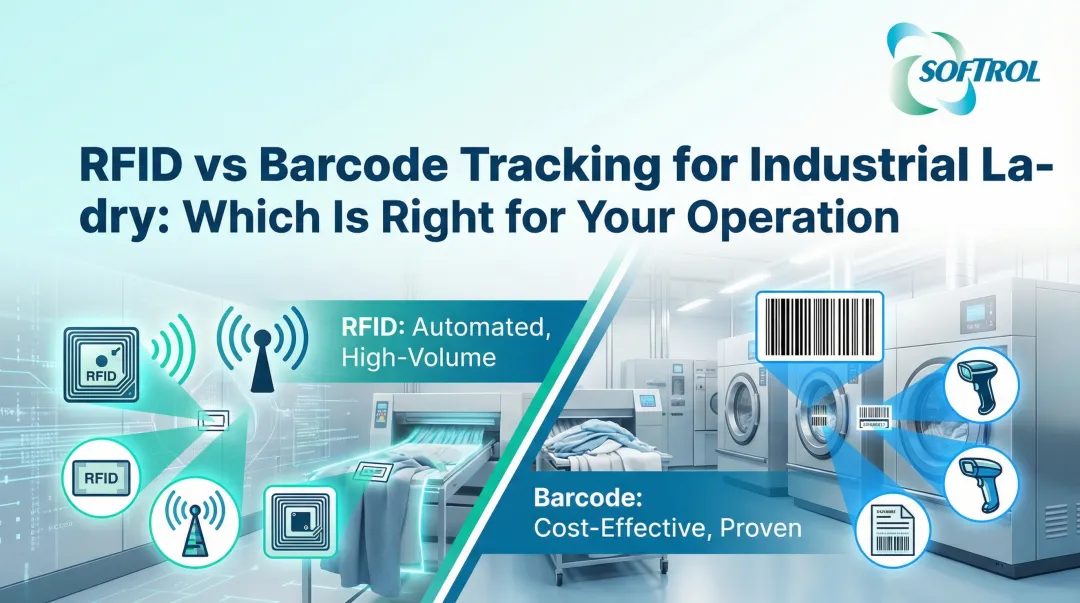
RFID (Radio Frequency Identification) technology uses electromagnetic fields to automatically identify and track tags attached to objects. In the context of industrial laundry, RFID tags are embedded in textiles such as linens, uniforms, and towels, allowing for real-time tracking throughout the laundry cycle.
These tags transmit unique data to a central system, providing businesses with detailed insights into the inventory, location, and status of each item. For VPs of Operations, Plant Managers, and IT Analysts, adopting RFID can drastically improve operational workflow and reduce costly errors.
Here's how these tags bring operational efficiency and cost savings to large-scale laundry systems
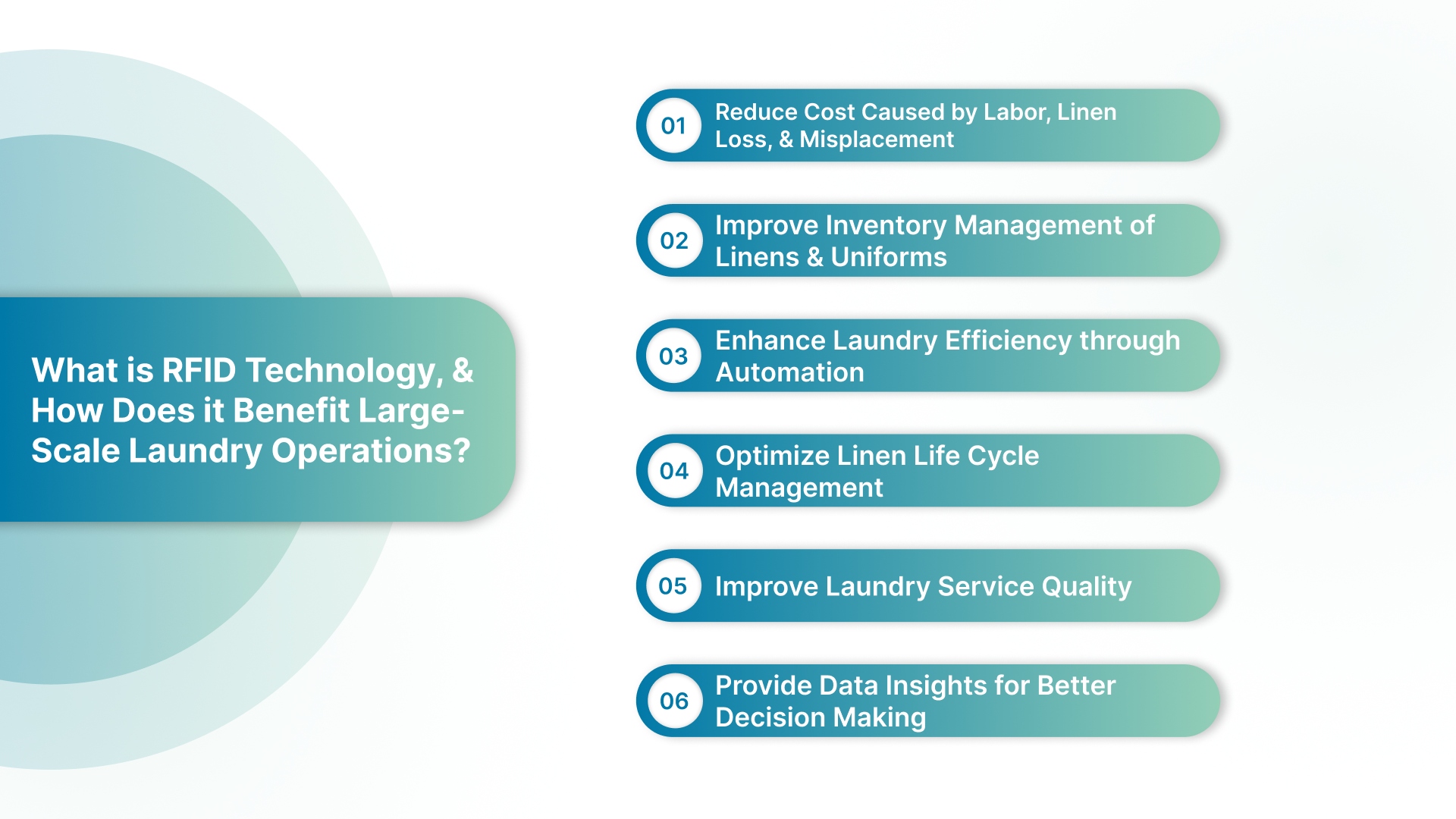
Reduce Cost Caused by Labor, Linen Loss, and Misplacement
For Plant Managers in textile rental and healthcare laundries, RFID technology minimizes manual handling by automating linen tracking and identification. This reduction in human error leads to lower labor costs, improved pounds per labor hour (PLH), and fewer misplaced items, directly enhancing inventory accuracy and reducing scrap rates.
Improve Inventory Management of Linens and Uniforms
RFID improves inventory management by offering real-time data on stock levels and garment location. For VPs of Operations in uniform rental or hospital laundries, this results in better stock control, avoiding shortages, and improving asset turnover. RFID also tracks the lifecycle of textiles, ensuring the timely replacement of worn garments and preventing stock discrepancies.
Enhance Laundry Efficiency through Automation
Automating with RFID ensures that every linen is efficiently tracked from wash to storage, reducing manual intervention and improving wash cycle throughput. For Plant Managers in high-volume laundries, this technology enhances workflow efficiency, reduces turnaround time, and optimizes equipment utilization, making operations faster and more efficient.
Also Read: Auto-Sortation Myths with Softrol Systems
Optimize Linen Life Cycle Management
RFID technology tracks each linen's wash count and usage history, helping laundries track garment wear and plan for replacements. For Operations VPs in healthcare or textile rental laundries, this helps lower replacement costs, reduce unnecessary expenditures, and extend the lifespan of textiles by identifying the optimal time for replacement, thus improving cost efficiency.
Improve Laundry Service Quality
RFID ensures accurate linen tracking from intake to delivery, improving service quality by ensuring the correct garments are delivered on time. For Plant Managers handling uniform rental or hospital linens, RFID technology ensures on-time performance, improving customer satisfaction and reducing errors in delivery, directly impacting service levels.
Provide Data Insights for Better Decision Making
RFID systems provide powerful analytics that give real-time insights into inventory trends, textile usage, and operational performance. For IT Managers or Continuous Improvement Analysts, these insights help in making data-driven decisions, improving operational efficiency, and identifying cost-saving opportunities. By utilizing RFID data, laundries can optimize resource allocation and reduce operational costs.
Manual sorting and processing of linens often lead to high labor costs and inconsistent productivity. Softrol’s Material Handling Solutions, like soil sort systems and garment sort systems, automate key workflows, reducing labor and improving pounds per labor hour. This leads to better throughput and more predictable staffing, lowering operational costs.
Building on RFID's potential, let’s look into the core components that power RFID systems and how they help optimize workflows and reduce downtime.
5 Core Modules of an RFID for Industrial Laundry Management System
An RFID-based laundry management system can revolutionize operations, providing accurate, real-time data for inventory management, tracking, and laundry lifecycle management. Below is a breakdown of the key modules, including detailed descriptions and implementation tips tailored to industrial laundry operations.
1. Tag Encoding & Asset Profiling
Tag encoding is a foundational step in RFID laundry management. Each textile, whether it’s a uniform, bed linen, or towel, is assigned a unique identifier (UID) that’s embedded in the RFID tag, enabling precise tracking.
Implementation Tips:
Durable RFID Tags: Ensure tags withstand multiple wash cycles in high-volume environments like textile rental or hospital laundries.
Accurate Profile Information: Capture textile details like expected lifespan and wash cycle limits for better replacement prediction.
Integrate with Inventory Software: Sync RFID encoding with inventory management to auto-update stock levels and trigger reorders.
2. Data Collection & Real-Time Tracking
Real-time data collection is the backbone of an RFID system, offering comprehensive visibility over every textile, from intake to delivery. This ensures operational efficiency and reduces the chances of misplacement or loss of linens.
Implementation Tips:
Strategic Scan Points: Install RFID scanners at key stages (e.g., intake, wash, drying, storage) for complete textile tracking.
Frequent System Audits: Regularly audit scan logs to ensure accuracy and identify discrepancies in textile tracking.
Use Real-Time Analytics: Integrate real-time analytics to monitor stock levels, linen location, and textile conditions.
3. Inventory Management
RFID-based inventory management allows for real-time visibility and automatic tracking of textile counts, helping laundries optimize stock levels and reduce costs related to overstocking or understocking.
Implementation Tips:
Set Thresholds Based on Usage: Customize low-stock alerts based on historical data to avoid shortages during peak periods.
Periodic Inventory Reconciliation: Perform regular checks to ensure RFID data matches physical stock and minimize misplacement.
Lifecycle Tracking for High-Value Textiles: Monitor textile lifespan and wear for high-value items like bed linens and uniforms.
Also Read: Improve Plant Automation through Softrol's Wash Aisle Controls
4. Reporting & Analytics
An RFID system generates detailed reports that provide actionable insights into textile usage, losses, and overall system performance, helping businesses make data-driven decisions that improve both operational and financial outcomes.
Implementation Tips:
Customizable Reports: Allow VPs of Operations and Plant Managers to focus on KPIs like scrap rate and pounds per labor hour.
Data Visualization: Use dashboards to spot trends like excessive water usage and rewash cycles.
Predictive Analytics for Replacement: Use wash cycle data to predict when textiles should be replaced, avoiding downtime and cost overruns.
5. Integration with Existing Tools
An RFID system’s effectiveness increases when integrated with other critical systems such as Property Management Systems (PMS), Accounting Software, and Employee Management Systems. This seamless integration ensures that all data flows smoothly, providing better visibility and control across the entire laundry process.
Implementation Tips:
Maximize Existing Software: Integrate seamlessly with PMS and accounting tools to reduce duplicate data entry.
Sync RFID with Employee Systems: Link uniform tracking to employee management systems for uniform lifespan control.
Establish Workflow Automations: Set automatic triggers for linen replacement, billing updates, and uniform scheduling based on thresholds.
Next, we’ll see how RFID can be tailored to the unique needs of textile rental, healthcare, and hospitality laundries.
Building an RFID Laundry Management System for Different Types of Industrial Laundry Systems
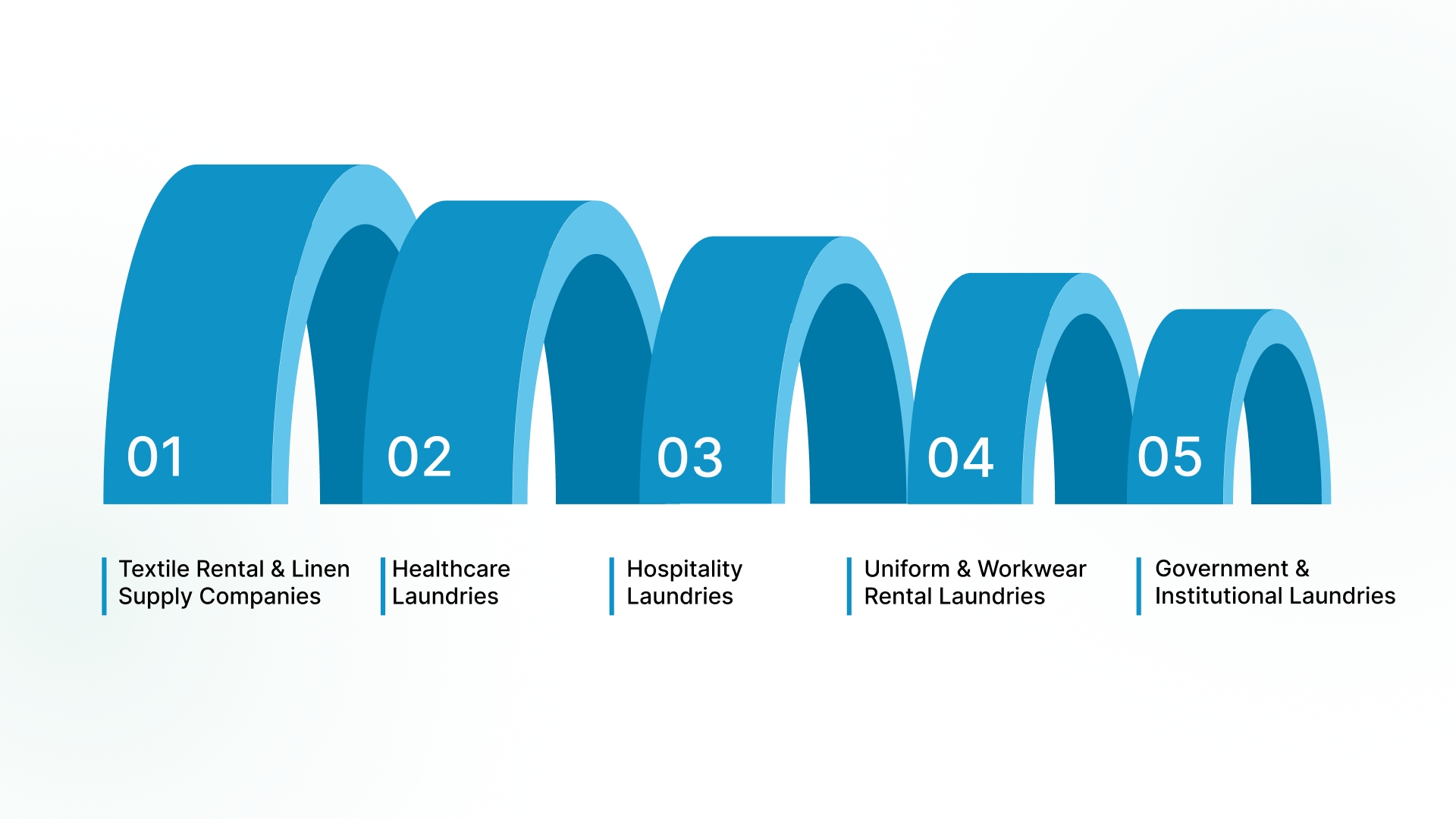
Building a robust RFID laundry management system involves understanding the specific needs of different laundry sectors.
1. Textile Rental and Linen Supply Companies
For textile rental and linen supply companies, RFID ensures accurate tracking and streamlines the handling of large linen volumes, from pickup to delivery.
2. Healthcare Laundries (Hospitals, VA Facilities)
Healthcare laundries require high standards of sanitation and traceability, where RFID systems improve inventory accuracy, linen management, and infection control.
3. Hospitality Laundries (Hotels, Resorts)
For hospitality laundries, RFID ensures fast turnaround times and high-quality linen management, improving guest satisfaction while reducing linen loss and mismanagement.
4. Uniform and Workwear Rental Laundries
For uniform and workwear rental laundries, RFID technology tracks each garment’s life cycle, improving inventory accuracy and service quality while reducing misplacement.
5. Government and Institutional Laundries (Hospitals, VA Facilities)
Government laundries, such as those in hospitals or military facilities, require RFID systems to ensure precise tracking of workwear, linens, and medical textiles.
Also Read: What Features Make Softrol Rail Better?
Now, let’s look at the top RFID solutions in Miami, helping you improve operational efficiency and reduce costs.
Top 4 Industrial Laundry RFID Solutions in Miami
With Miami’s advancing industrial laundry sector, RFID solutions are becoming essential for improving efficiency, inventory management, and service quality. Below are some top RFID solutions tailored for laundry businesses, including key providers and their offerings.
1. Softrol

Softrol is a U.S.-based leader in industrial laundry automation, providing specialized solutions to enhance productivity, inventory management, and operational efficiency for high-volume laundries. Softrol combines advanced automation, data systems, and customized hardware to improve every stage of the laundry process.
Serving industries like textile rental, healthcare, hospitality, and uniform rental, Softrol’s systems automate material handling, optimize wash processes, and offer integrated plant-wide reporting, all contributing to cost savings and better service levels.
Here are Softrol’s core solutions for industrial laundry management:
1. Material Handling Solutions
Softrol’s material handling systems streamline textile flow, reducing manual labor and boosting throughput, which is essential for high-volume laundries like textile rental and hospital laundries.
Soil Sort Systems: Classifies soiled goods based on fabric type, customer, or wash requirement, improving sorting accuracy and reducing inventory discrepancies.
Laundry Rail Systems (Softrol Rail): Monorail transport system that moves linens from intake to storage, optimizing rail efficiency and reducing downtime.
Garment Sort Systems: Automates garment sorting by customer or route, reducing labor costs and improving on-time delivery and inventory accuracy.
Virtual Rail: Real-time visual representation of textile movement in the monorail system, helping Plant Managers track items and prevent misplacement.
2. Process Control Solutions
Softrol’s process control systems optimize wash cycle management, ensuring consistent quality and energy-efficient operations, which reduces water waste and rewash rates.
Wash Aisle Systems: Integrates tunnel washers and washer-extractors with precise wash controls, improving throughput and reducing operational downtime.
Catalyst Chemical Systems: Automates chemical dispensing with flow meters, reducing chemical waste, improving wash quality, and lowering operational costs.
3. Total Plant Integrated Data Solutions
Softrol’s integrated data systems provide real-time visibility into laundry operations, offering key insights to improve efficiency, cost per unit, and KPI performance across the plant.
PulseNet Production System (PPS): Tracks real-time productivity such as pounds per labor hour and on-time performance, helping Plant Managers optimize staffing and reduce operational inefficiencies.
Shipping and Tracking Systems: Softrol provides item-level tracking with systems like Softrak and MTrak that monitor returned items, build carts, and generate delivery manifests, ensuring accurate order fulfillment.
Management Information Systems: Aggregates plant-wide data to provide dashboards and historical reports, identifying bottlenecks and improving KPIs.
LOIS (Laundry Operation Information System): A remote reporting platform offering real-time data on plant performance, enabling multi-plant monitoring, and improving efficiency and decision-making.
Why Choose Softrol?
30+ years of experience in industrial laundry automation across healthcare, hospitality, and textile rental sectors.
Tailored solutions for high-volume laundries, optimizing material handling and process control.
Comprehensive support, including training, technical assistance, and retrofit projects for cost-effective upgrades.
Data-driven insights to enhance efficiency, improve throughput, and optimize KPI performance.
Sustainability focus with optimized chemical use, energy-efficient systems, and RFID tracking to reduce costs and improve environmental impact.
Read this customer success story on how Gallagher Uniform uses Softrol’s SofTrak garment tracking and enterprise management system powered by RFID technology
2. Simple

Simple specializes in healthcare linens with an emphasis on infection control and compliance. Their RFID laundry solutions streamline inventory management, ensuring high-quality, hygienic laundry service while reducing operational costs.
Key Features:
HLAC-Certified Facilities: Ensures compliance with healthcare-specific standards like AORN and OSHA.
Portable RFID Readers: Enables quick inventories, instantly identifies overstock or hoarding, and boosts accuracy.
Route Service Representatives: Support teams ensure inventory adjustments and customer-focused service.
Why Choose Simple?
Helps healthcare laundries reduce linen loss and ensure compliance with strict regulations.
In plant management, it automates inventory checks, reducing downtime and ensuring on-time delivery.
Explore these brochures and learn how Softrol’s RFID-enabled systems and process control solutions can improve equipment uptime, labor costs, and service levels across industrial laundries.
3. FRESH USA, Inc
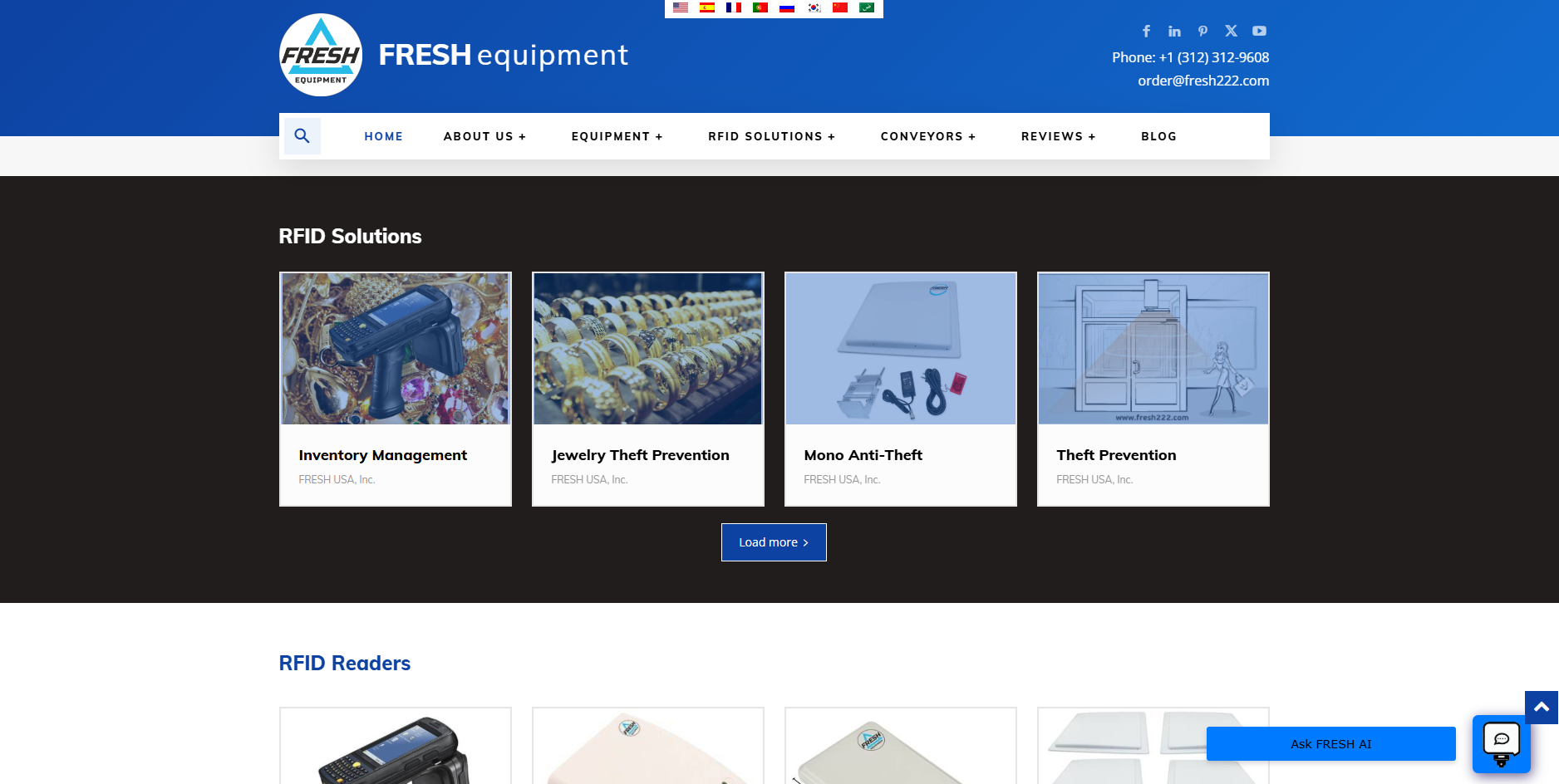
FRESH USA, Inc. offers a variety of RFID solutions tailored to the laundry industry, including inventory management, anti-theft solutions, and asset tracking for efficient operations.
Key Features:
RFID Readers (F-880, F-9700, F-02): Wide range of RFID readers for tracking textiles and preventing theft in laundry operations.
Inventory Management: Streamlines inventory tracking, ensuring linens are properly sorted and accounted for.
Theft Prevention: Monitors textile handling to reduce losses and ensure compliance with security regulations.
Why Choose FRESH USA?
Ensures real-time inventory tracking for large laundries, improving resource allocation and cost control.
Ideal for uniform rental laundries that need to track individual garments, reducing losses and improving service levels.
4. Cenango

Cenango offers a suite of innovative solutions, including AI-powered tools and RFID tracking for asset management in laundry operations. Their focus is on simplifying operations, enhancing efficiency, and enabling growth through smart technologies.
Key Features:
AI and RFID Solutions: Uses AI assistants and RFID tracking for asset management, ensuring real-time tracking and inventory control.
Mobile App Development: Creates custom mobile apps for better customer engagement and service management.
Custom Software: Builds tailored solutions for inventory management and workflow optimization.
Why Choose Cenango?
RFID tracking and AI tools enable automated inventory checks and efficient asset management.
Helps Plant Managers and VPs of Operations track asset lifecycle and ensure optimal textile management in high-volume laundries.
Also Read: Plant Performance with LOIS System
Choosing the right RFID reader is crucial to maximizing inventory tracking and minimizing waste in your operation.
How to Choose Which RFID Reader Fits Your Industrial Laundry Needs
Selecting the right RFID reader is critical for optimizing your industrial laundry operations. The RFID reader you choose must align with your specific laundry process, textile types, and throughput demands.
Key Considerations:
Frequency: Choose readers that support the right frequency range (e.g., UHF RFID) for your laundry’s environment, ensuring accurate tracking over long distances and high-volume use.
Read Range: Depending on your laundry’s needs, select a reader with the appropriate read range (e.g., short-range for small items or long-range for bulk items).
Durability: Opt for rugged RFID readers designed to withstand harsh laundry conditions (e.g., heat, moisture, chemical exposure).
Integration Compatibility: Ensure the reader integrates seamlessly with your existing software and inventory management systems for real-time data syncing.
Recommended Types:
Fixed Readers: Best for tracking textiles at entry and exit points, ensuring accurate and automated sorting of linens.
Handheld Readers: Ideal for spot scanning and quick inventories, offering mobility and ease of use for staff.
Also Read: PulseNet Virtual Rail Module (PVRM)
While RFID offers significant benefits, there are challenges in implementation. Here's how to overcome them for maximum efficiency.
Challenges in Implementing RFID Technology for Industrial Laundry
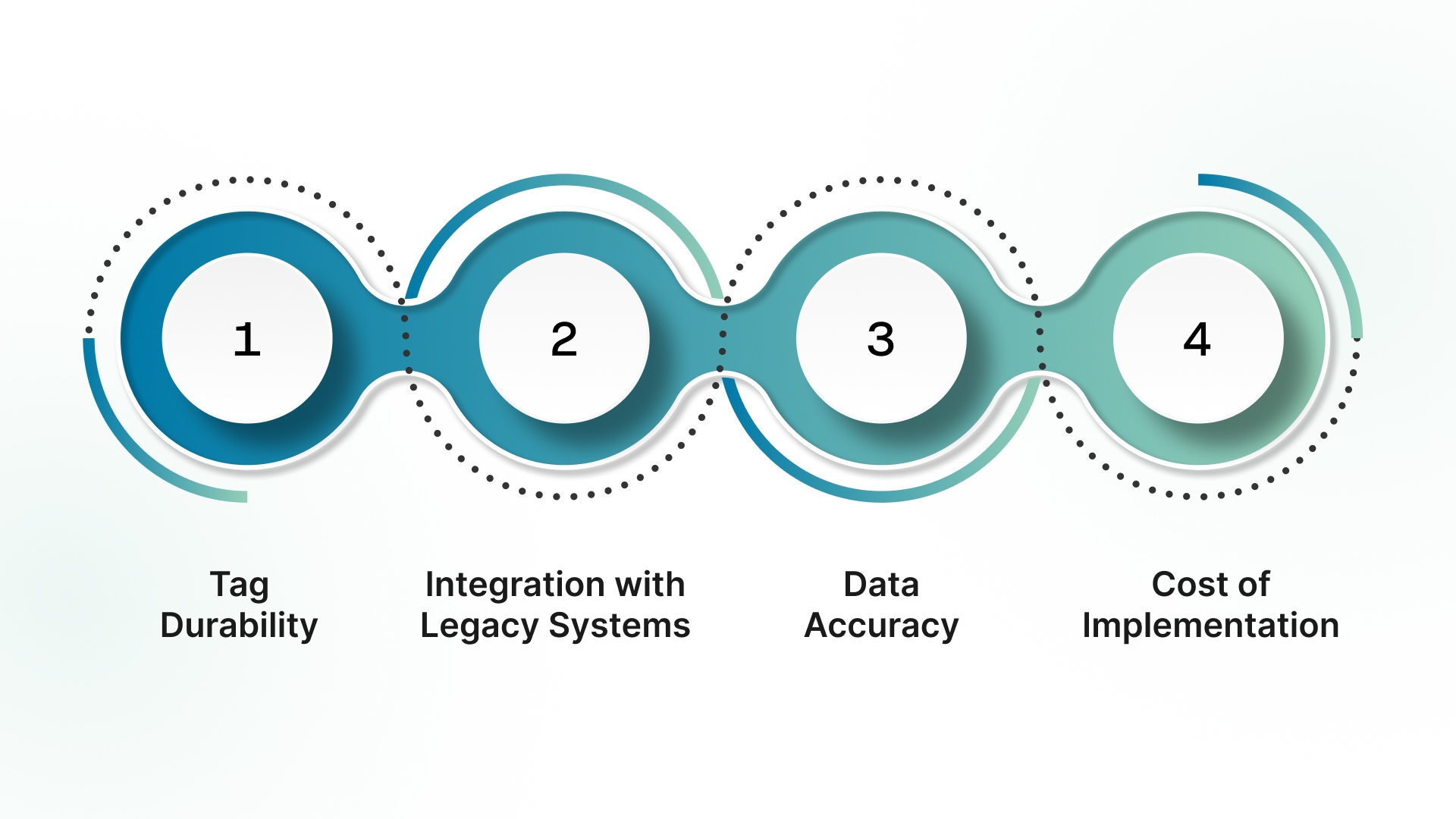
While RFID technology offers significant benefits for industrial laundries, its implementation comes with challenges. Here’s how to tackle those obstacles effectively.
Tag Durability: RFID tags may degrade over multiple wash cycles, particularly in high-heat environments like industrial laundries.
Solution: Use high-durability RFID tags designed for harsh laundry environments or embed chips directly into fabrics to extend lifespan.
Integration with Legacy Systems: Many laundries use a mix of new and old equipment, making integration with RFID systems tricky.
Solution: Choose modular RFID solutions that are compatible with both modern and legacy systems, ensuring seamless integration.
Softrol's USA-based customer service ensures quick, accurate identification and ordering of the exact replacement parts you need for your laundry system.
Data Accuracy: In high-volume operations, ensuring the accuracy of RFID data can be challenging, especially with overlapping or misaligned scans.
Solution: Optimize scan points and conduct periodic system audits to ensure real-time accuracy in inventory tracking.
Cost of Implementation: Initial investment costs for RFID infrastructure can be a barrier.
Solution: Start with phased implementations, focusing on high-impact areas like inventory management or linen loss reduction, then scale gradually.
Also Read: Softrol Systems: Quality Customer Service for Industrial Automation
Looking ahead, these emerging trends in RFID will help optimize laundry processes, reduce labor costs, and increase water efficiency.
Future Trends in RFID for Industrial Laundry Systems
The future of RFID technology in industrial laundry systems is promising, with innovations expected to further improve operational efficiency, sustainability, and customer satisfaction.
Trend | What It Enables / KPI Impact | Why These Trends Matter for High-Volume ICP Players |
Durable, wash‑cycle-resistant RFID tags | Long-term tracking, reduced tag failure, tighter inventory control, lower scrap rate | Textile rental, hospital laundries, and uniform rental can avoid frequent tag replacements. |
IoT + RFID + Cloud Analytics ("Smart Laundry Factory") | Real-time visibility, predictive maintenance, improved lead-time stability, data-driven decisions | Improves throughput, enables proactive repairs, and streamlines data flow, allowing plant managers to reduce downtime and improve service levels. |
RFID-enabled bulk sorting / automated handling | Higher throughput, reduced labor costs, fewer errors, faster turnaround time | Large-scale laundries can scale operations, improving pounds-per-labor-hour (PLH) and speeding up service, key in industries like textile rental or hospitals. |
RFID-based digital textile passport & circular economy tracking | Sustainable lifecycle management, reduced cost per unit, regulatory compliance | Helps uniform rental and hotel laundries track textiles for recycling, extend linen life, and meet sustainability and ESG goals. |
AI-predictive analytics for wear and maintenance | Proactive replacement schedules, reduced downtime, increased equipment uptime | Engineering managers can predict linen wear and preventive maintenance. |
SaaS / Rental / Subscription laundry services enabled by RFID | Flexible service models, better capital efficiency, and accurate cost allocation | Hospitality laundries and textile rental businesses can adjust to client needs faster. |
Inconsistent chemical dosing and wash formulas often lead to rewash, damaging textiles and raising costs. Softrol’s Process Control Solutions, including Wash Aisle Systems and Catalyst Chemical Systems, ensure precise chemical delivery, reducing rewash rates and chemical waste while maintaining high wash quality and textile longevity.
Conclusion
Industrial laundry RFID solutions in Miami offer significant advantages for laundries in healthcare, hospitality, and textile rental industries, such as reducing linen loss, increasing throughput, and optimizing overall operational efficiency.
Softrol’s industrial laundry RFID solutions optimize material handling, process control, and total plant data integration, driving improvements in throughput, inventory accuracy, and cost per unit. With advanced RFID-based sorting systems, wash aisle control, and real-time performance tracking, Softrol helps plant managers and VPs of Operations reduce downtime, improve pounds-per-labor-hour (PLH), and enhance service levels across high-volume laundries.
Contact us today to see how Softrol can reduce labor and utility costs for your industrial laundry operations.
FAQs
Can RFID help prevent uniform and linen theft in hotels?
Yes, RFID technology helps track linens and uniforms in real-time, reducing theft by monitoring inventory and ensuring accountability. Housekeeping managers and VPs of Operations can easily identify missing items, prevent hoarding, and improve inventory visibility, which helps avoid linen losses and security risks.
Can large-scale laundries apply RFID to every kind of linen they use?
Yes, RFID can be applied to all types of linens, including flatwork, towels, and uniforms, in large-scale laundries. Plant Managers and Production Managers can use RFID to track and manage different linen types based on fabric, size, and usage, ensuring accurate sorting and inventory management across various textile categories.
How much does it cost to implement RFID laundry management?
The cost of implementing an RFID laundry management system varies depending on the size of the operation, the number of items to be tracked, and the RFID hardware needed. For high-volume industrial laundries, the initial investment can be offset by improving the cost per unit and reducing scrap rates.
Can RFID laundry tags integrate with PMS or ERP systems?
Yes, RFID laundry tags can seamlessly integrate with Property Management Systems (PMS) for hotel laundries and Enterprise Resource Planning (ERP) systems for textile rental businesses. Integration allows real-time data syncing for linen tracking, inventory management, and billing, helping VPs of Operations reduce administrative workload.
How long do RFID laundry tags last in commercial laundry cycles?
RFID tags are designed to last for hundreds of laundry cycles, with durable, high-performance materials that withstand high heat, chemicals, and frequent washes. For textile rental companies and industrial laundries, choosing high-durability RFID tags ensures they remain functional throughout the textile's lifecycle, improving service consistency.