Industrial and commercial laundries often deal with stalled production, inconsistent wash results, and machines that don’t communicate with each other. When your volume keeps rising, and labor stays tight, every delay hits throughput and predictability.
Plant managers, owners, engineering teams, and IT leaders know the pressure well. You need cleaner data, steadier cycles, and a wash aisle that responds fast when the floor conditions shift, without adding more strain on supervisors.
In this blog, we’ll explore how a washing machine integration system helps operations teams maintain daily workflow stability, what to look for when choosing a system, and where connected tools fit for textile rental groups and institutional facilities.
Key Takeaways:
A connected wash aisle gives plant managers clearer machine activity data that supports steadier daily output and fewer surprises.
Shared controls across washers, dryers, sort, and finishing help reduce timing gaps and cut the delays that often affect customer delivery windows.
High-volume and multi-site operators gain stronger reporting and cross-location visibility, which supports better planning for labor, maintenance, and capacity.
Plants reviewing new systems should examine compatibility, training needs, data flow, service structure, and long-term support before moving forward.
Softrol provides tools across sorting, wash aisle control, chemical delivery, rail movement, labor tracking, and plant reporting to help teams keep daily production stable.
What a Seamless Washing Machine Integration System Covers
A washing machine system in commercial and industrial laundries works best when each connected step provides clearer data, steadier cycles, and a more predictable production flow. Production teams in large textile rental and institutional facilities depend on these connections to manage volume shifts without creating new delays.
Here are the areas such a system usually covers:
Connected Washer and Dryer Controls: These controls share cycle details, status updates, and activity data, helping operations teams respond faster to daily production changes.
Cycle Tracking and Status Visibility: Managers gain a clearer view of machine timing, delays, and load progress, allowing quicker decisions when work begins to back up.
Automated Batch Handling Across Steps: The system supports smoother movement between the sort, wash, dry, and finishing steps, reducing miscommunication between workstations during peak hours.
Data Capture Across the Wash Aisle: At every stage, machine data helps operations, engineering, and IT teams understand patterns and recurring issues across shifts.
Connections to Sorting, Drying, and Finishing: These links support coordination between departments, which helps commercial laundries and multi-site operators maintain steadier daily output.
Understanding the scope of a washing machine integration system sets the stage for exploring how it directly enhances day-to-day operations.
Also Read: Improve Plant Automation through Softrol's Wash Aisle Controls
Operational Benefits for Industrial and Commercial Laundries
Industrial and commercial laundries track uptime, throughput, labor impact, and daily stability, so wash-aisle performance directly affects cost per unit and delivery timing. A connected system supports clearer decisions for owners, plant managers, engineering leaders, and IT teams responsible for keeping equipment ready and production steady.
Here are the operational benefits most teams focus on:
Higher Throughput Stability: Steadier load movement helps plants raise usable output per hour and maintain better lead-time consistency during periods of rising customer volume.
Lower Downtime Impact Alerts help engineering teams react earlier, which supports higher equipment uptime and reduces unexpected stops that often disrupt promised delivery windows.
More Consistent Wash Results: Repeatable cycle activity supports better yield across garments and linen, reducing scrap and lowering rewash needs during high-pressure production days.
Reduced Resource Waste: Clear machine data helps supervisors assess resource usage patterns, supporting better decisions that influence long-term unit costs across daily operations.
Less Manual Intervention Across Steps: Steadier coordination between sort, wash, and dry stages helps teams avoid reactive adjustments that often increase delay risk and uneven throughput.
Better Traceability for Garments and Linen: Clearer tracking limits item loss and supports stronger control over rental and uniform programs, helping reduce supplier risk across customer accounts.
More Actionable Production Insights: Daily reports help leaders understand timing gaps, recurring slow points, and machine patterns that create throughput loss or threaten uptime targets.
While the operational benefits are clear, high-volume and multi-site facilities require additional strategic considerations to ensure smooth operation across locations.
Take the next step toward improving your laundry operations. Contact us to discuss how our tools can benefit your plant’s performance.
Strategic Value for Multi-Site and High-Volume Operators
Running large or multi-site laundry plants demands steady performance, clear visibility, and predictable timing across every location you manage. You need reliable data and consistent wash-aisle behavior to keep daily schedules stable, especially when volume or staffing shifts.
Here are the areas where multi-site teams gain the most value:
Area | How It Supports High-Volume or Multi-Site Operations |
Standardized Processes | Shared workflows help plants hold consistent timing, quality, and throughput across varied staffing levels and daily production demands. |
Unified Reporting | Leadership teams gain a single view of wash-aisle activity, revealing issues that affect uptime, lead-time stability, and recurring bottlenecks. |
Cross-Location Benchmarking | Managers compare cycle timing, resource use, and output, helping identify where performance gaps increase costs or reduce usable capacity. |
Predictable Production During Volume Swings | Shared data helps teams adjust work distribution during busy periods, protecting throughput and reducing the cost impacts of delays. |
Better Planning for Maintenance and Staffing | Clearer machine and timing data support planning across locations, reducing downtime risks and improving long-term labor allocation. |
As multi-site operations expand, a deeper look at potential constraints will help you understand how to manage implementation effectively.
Also Read: Softrol Systems: Improving Laundry Management
Implementation Considerations and Constraints
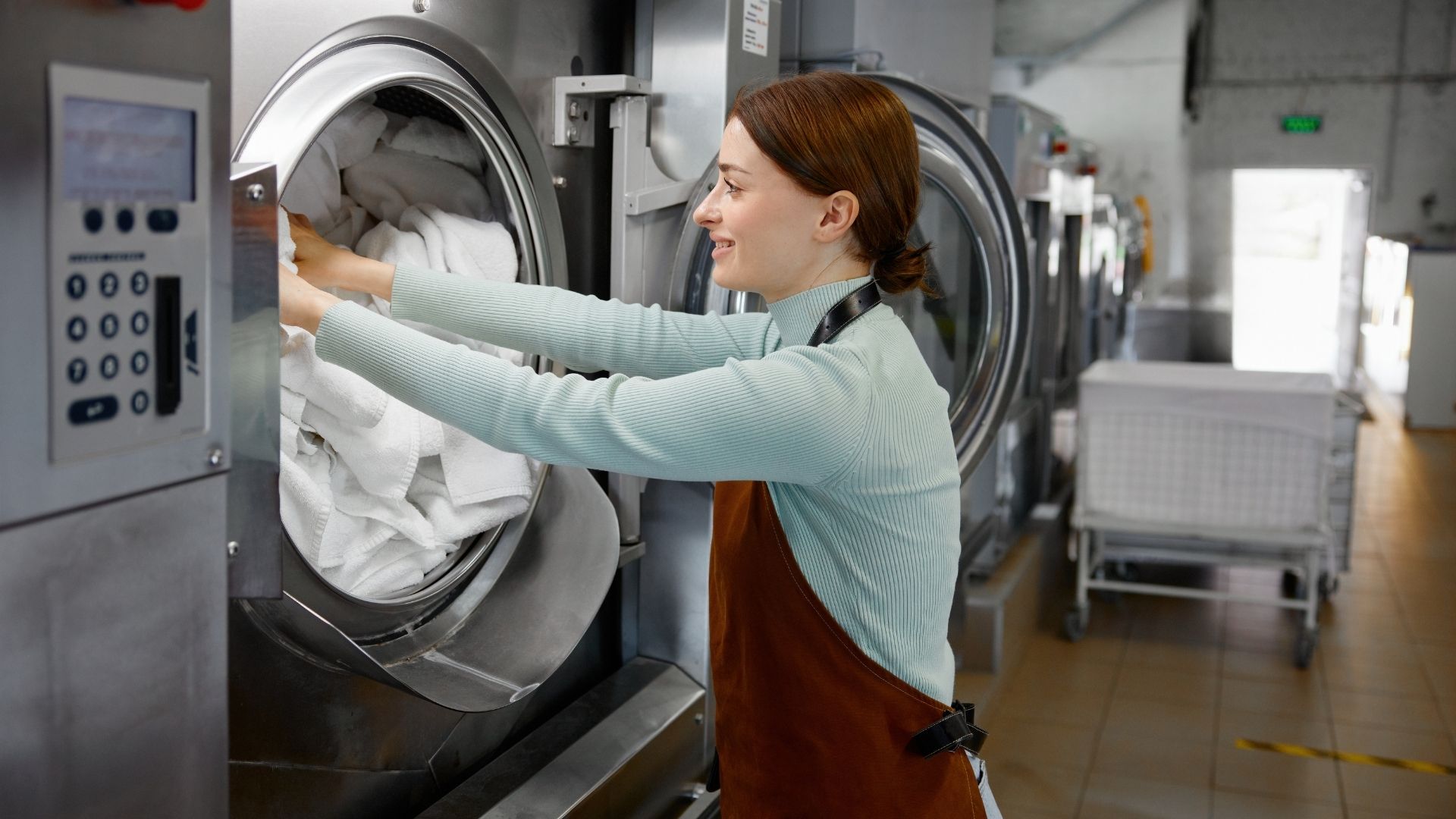
Commercial and industrial laundries need clear planning before adding connected wash aisle systems because many plants run mixed equipment and long-established workflows. Operations, engineering, maintenance, and IT teams must understand the risks associated with compatibility, training, data flow, and long-term support before committing.
Here are the points most plants review before moving forward:
Machine compatibility and legacy equipment constraints: Older washers and dryers may require additional controls or monitoring modules, increasing preparation requirements and potentially extending installation timelines.
Training and workforce adaptation needs: Operators and supervisors must learn new screens and activity views since unfamiliar steps often create timing issues during early use.
IT infrastructure, connectivity, and data management: Plants need stable networks, clear data standards, and secure access control because multiple departments may depend on shared reporting tools.
Maintenance, spare parts, and long-term support: Teams must confirm service levels, diagnostic support, and parts availability since connected systems only help if upkeep remains consistent.
Capital planning tied to volume and operational goals: Leadership must compare cost against output, labor mix, and uptime targets to confirm the system supports expected production gains.
Compliance, safety, and ergonomic requirements: Any retrofit or control update must meet workplace safety standards, as heavy loads and chemical exposure pose additional risks to staff.
Change management during transition periods: Plants need staged rollout plans to avoid sudden changes to the wash aisle that disrupt flow and create delays on high-volume days.
Return on investment and under utilization risk: Systems require steady volume and consistent process discipline since low usage or partial adoption may reduce expected operational impact.
After weighing the challenges of implementation, it’s important to consider how to choose a vendor that aligns with your operational goals.
Also Read: Save Time and Money with Softrol's Auto-Sort Systems
How to Evaluate and Select a Vendor
Large commercial and industrial laundries need a clear process for comparing vendors because connected wash aisle tools affect production timing, data access, and overall plant stability. You need dependable systems that support steady output, predictable lead times, and accurate reporting across commercial laundries and textile rental sites.
Here are the points many plants review when selecting a vendor:
Support for Connected Monitoring: Vendors should provide clear machine activity data since steady visibility into cycles and timing helps plants react faster during daily production shifts.
Compatibility with Sorting, Drying, and Finishing: The system should work across multiple steps because disconnected tools often create delays when volume increases or workflows change.
Quality of Centralized Reporting: Plants need clear and accessible dashboards that present timing patterns, load progress, and activity trends without adding extra administrative work.
Predictive Maintenance and Diagnostic Capabilities: Vendors with diagnostic tools help plants address issues earlier, supporting steadier production and reducing the risk of extended downtime.
Resource Tracking Features: Strong reporting for water, energy, and chemical usage helps leaders understand long-term cost patterns during periods of high or changing volume.
Service Structure and Long-Term Support: Plants benefit from vendors that offer reliable service, parts availability, and software updates, as long-term performance depends on consistent system support.
Selecting the right vendor is crucial, and Softrol stands out with solutions designed to support the unique needs of high-volume laundry operations.
Softrol Solutions for High-Volume Laundry Operations
Softrol supports commercial and industrial laundries with connected tools that help plants handle high daily volumes while maintaining steady production across changing conditions. Each system works together so leadership can review activity, spot delays earlier, and maintain predictable flow across busy departments and multi-site operations.
Here are the areas where Softrol provides support:
Management Systems: These tools centralize production data, offering leadership a single point to monitor activity, identify bottlenecks, and track timing patterns. With clearer visibility, teams can make informed decisions to maintain smoother production processes.
Soil Sort Systems: Softrol offers both manual and automated sorting options, improving item placement accuracy. This reduces errors and supports more efficient batch preparation, especially during peak times, cutting down delays in the sorting process.
Rail Systems: Overhead rail systems move goods between zones with less manual handling, improving flow and safety. By reducing physical labor, these systems keep production moving steadily without unnecessary slowdowns.
Wash Aisle Systems: Softrol’s OEM and retrofit controls capture detailed cycle data to ensure washers and dryers perform consistently across shifts. These controls help prevent downtime and allow teams to adjust quickly to production needs.
Chemical Systems: Flow meter-based injection systems ensure accurate chemical dosing and water flush activity, helping to reduce chemical waste and maintain consistent wash quality. Proper chemical management also reduces the likelihood of rework.
Garment Sort Systems: Modular options accommodate different plant sizes and high-volume demands. These systems help large garment programs avoid sorting delays, allowing plants to handle more volume without sacrificing accuracy or speed.
Shipping and Tracking Systems: These systems record details about carts, returns, and deliveries, reducing outbound errors and maintaining accurate order records. Better tracking ensures timely deliveries and improves customer satisfaction.
Productivity Systems: The Productivity Systems (PPS) track labor data, station timing, and operator activity. This helps managers balance workloads and adjust staffing, preventing overburdening any single station during high-volume periods.
LOIS System: The LOIS system aggregates performance data from multiple locations, providing leadership with a connected view of plant activity. This real-time information helps teams make quick adjustments and maintain consistent production even during busy periods.
Looking for examples of plants that reduced delays and improved consistency? Review our success stories and see the results.
Conclusion
A connected washing machine system can help you build steadier production, clearer data access, and stronger control across high-volume laundry operations. You gain a clearer path to better throughput, reduced timing gaps, and more predictable output across commercial laundries, textile rental sites, and institutional facilities.
If you want to explore how these systems can support your plant goals, contact us today to review options that match your current volume and long-term needs.
FAQs
How do connected washing systems affect energy consumption in industrial laundries?
Connected systems can provide detailed data on energy usage during each cycle, helping plant managers track and adjust resource consumption to reduce waste.
Are there specific safety concerns when updating to connected systems?
Yes, any system update should comply with safety regulations, particularly regarding handling heavy loads, chemical exposure, and ensuring that new equipment does not create additional risks for staff.
Can I integrate new washing machines with older models in my plant?
Depending on the machine types and the system chosen, it may be possible to integrate new washing machines with older models, but additional modules or adjustments may be needed.
How do connected systems help with employee training?
Training tools often come with new systems to help staff familiarize themselves with the new interface, reducing errors and improving workflows, even when the system is first introduced.
What kind of reporting capabilities can I expect from these systems?
Most connected systems provide detailed reporting on machine performance, load progress, and cycle timing, which can be used to track performance trends and make informed decisions about plant operations.