Starting a commercial laundry business can be a highly profitable venture, particularly in sectors with high-volume linen needs like healthcare, hospitality, and textile rental services. With the United States commercial laundry appliances market projected to reach USD 13.17 billion by 2030, driven by increasing demand from launderettes, healthcare, and other industries, the market offers significant growth potential.
However, to capitalize on this, careful planning, strategic execution, and a keen understanding of operational costs, throughput optimization, and service quality are essential.
This guide walks you through each critical step of the process to help you create a sustainable, cost-effective, and high-performance laundry operation.
Key Takeaways
The first step is to research local demand and identify gaps in services, which will help you target key sectors and optimize pounds-per-labor-hour and throughput.
Creating a detailed business plan in the early steps, with clear pricing strategies, financial projections, and growth targets, ensures a roadmap for cost-per-load management and profitability.
Ensure legal compliance by registering your business, obtaining necessary licenses, and securing zoning permits to minimize risks and lay the groundwork for operational efficiency.
Invest in high-capacity washers and automated material handling systems to reduce labor costs, improve downtime reduction, and maximize equipment uptime for greater throughput.
The final steps involve developing strong customer relationships by offering tailored services and monitoring on-time delivery and service-level KPIs to ensure continuous growth and customer retention.
3 Benefits of Commercial Laundry for High-Volume Operations
Starting a commercial laundry business opens opportunities for substantial revenue generation by servicing high-demand sectors. With predictable, recurring income and relatively low overhead, it’s a growing field that requires minimal upfront investment compared to other industries.
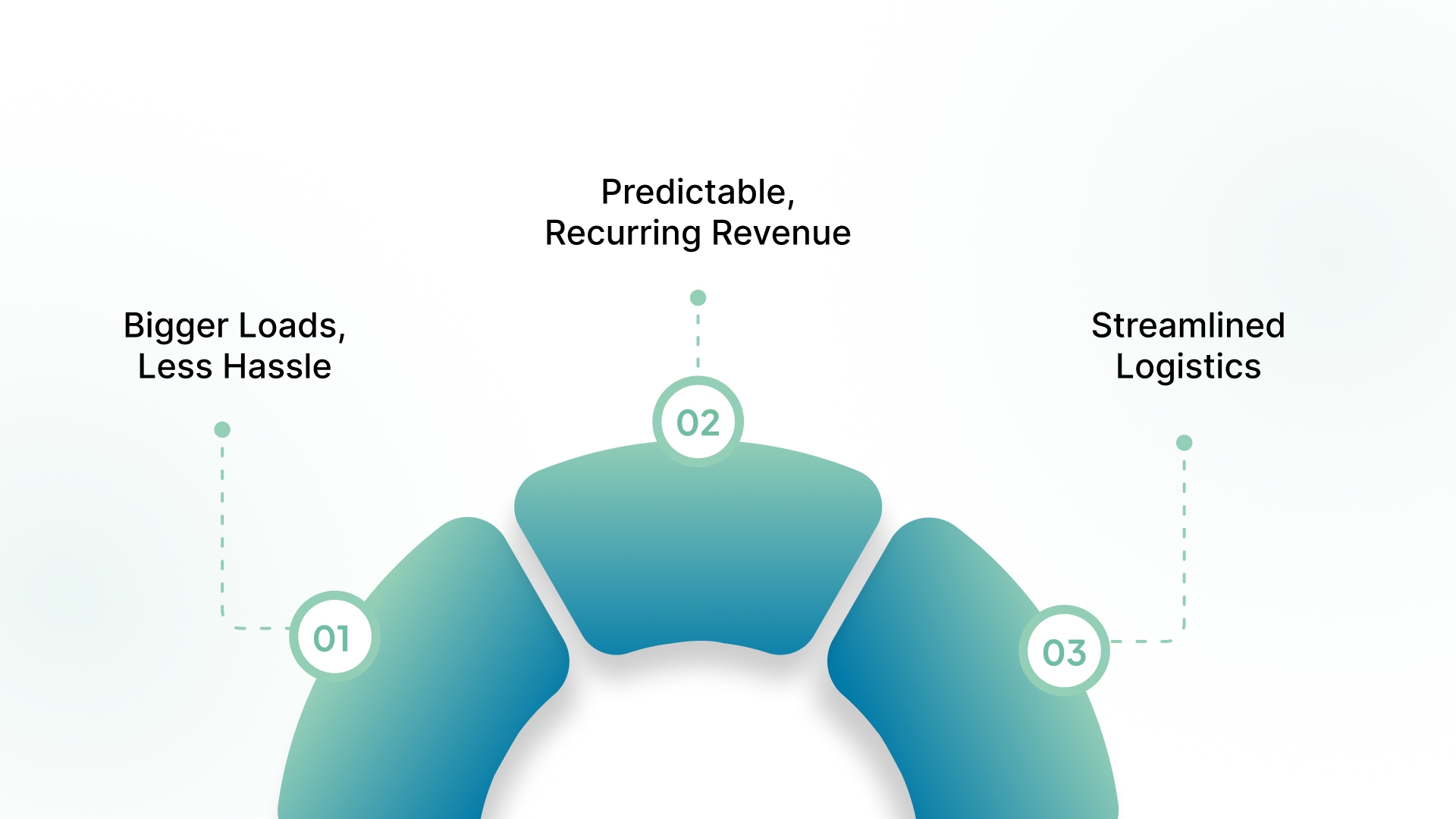
Bigger Loads, Less Hassle: Large-scale laundries streamline operations with plant automation systems, improving throughput and productivity while reducing manual labor costs.
Predictable, Recurring Revenue: Many businesses, including hotels, healthcare facilities, and uniform rental services, rely on regular laundry services, ensuring stable, ongoing revenue.
Streamlined Logistics: Implementing automated material handling, chemical dosing systems, and data-driven performance monitoring leads to optimized workflows and reduced operational costs.
Also Read: Softrol Systems' PulseNet Productivity Systems (PPS)
To capitalize on this growth, understanding client needs and streamlining operations is crucial for success.
How Commercial Clients Operate in a Large-Scale Laundry Business
If you're targeting healthcare facilities or linen rental companies, aligning your services to how commercial clients approach laundry needs and demands can help you stand out in the market.
4 Specific Needs of Commercial Laundry Customers:
Commercial clients usually require tailored solutions to meet their unique service requirements. Here’s a breakdown of common needs in healthcare, hospitality, and textile rental:
Separate bins for soiled vs. clean: Ensures contamination control and maintains hygiene standards.
Towels folded a certain way: Some clients, especially in hotels, have specific folding methods for branding or guest satisfaction.
Pickup schedules: Depending on business type, clients may require daily or weekly pickups to ensure continuous operations.
Pricing: Price per pound works well for high-volume clients, while pricing per item is ideal for high-effort, specialized items like uniforms or linens with custom handling.
Inconsistent cleaning results can harm your business, leading to rework and higher costs. Softrol’s Process Control Solutions eliminate this issue by automating chemical dosing with Catalyst Chemical Systems, ensuring precise and consistent wash cycles. Paired with Wash Aisle Systems, which optimize bath and cycle parameters, you’ll achieve high-quality results every time while minimizing rewash and waste, improving your bottom line.
Finding Local Commercial Leads
Building a client base involves direct outreach and establishing a strong local presence. Here’s how you can effectively connect with commercial clients:
Start Close to Home: Target businesses in your area, such as hotels or local hospitals.
Walk-In and Introduce Yourself: Personal interaction can be highly effective in creating trust and rapport.
Enter Their Direct Messages: Use social media to reach out to potential clients like restaurant owners or hotel managers.
Send a Short Email: Tailor your message to highlight your service reliability and capacity.
Always Ask for the Decision-Maker: Identifying the person in charge, such as a Facilities Manager or Purchasing Agent, can fast-track your negotiations.
Also Read: Softrol Systems’ Management And Information Systems
With clear insights into client needs, the next step is laying a solid operational foundation that optimizes your laundry service offerings.
11-step guide to Start a Commercial Laundry Business
Starting a commercial laundry business requires a solid understanding of operational efficiency, cost control, and scalability.
Step 1: Research and Planning
Before venturing into a commercial laundry business, thorough research and planning are essential to understand the market demand, identify opportunities, and define a clear strategy for success.
1.1 Understand the Market Pulse
Before launching your commercial laundry business, it’s crucial to assess the local market to identify demand and opportunities. Use this research to guide your next steps.
Key Questions to Ask:
How many local businesses need laundry services?
Look for local healthcare, hotel, and linen supply businesses that require consistent laundry support.What businesses struggle with reliable solutions?
Identify sectors with supply chain issues or inconsistent linen quality, like hotels or hospitals.Are there service gaps?
Determine whether businesses need faster turnaround or specialized laundering.Is outsourcing growing in your area?
Check if local businesses are moving towards outsourced laundry solutions to cut costs.
1.2 Identify Your Precious Gem: The Target Customers
Identify the businesses that will benefit most from your services. Focus on sectors with the greatest need for consistent, high-volume laundry services.
How to Identify Your Target Market:
Research industry needs: Focus on healthcare, hospitality, and linen rental companies needing regular, high-quality services.
Analyze pain points: Look for gaps in timely delivery, customized laundry care, or cost efficiency.
Assess market saturation: Evaluate areas with less competition and high potential demand for specialized laundry services.
1.3 Sketching the Blueprint of Your Business Plan
Create a business plan to define your commercial laundry business’s goals, services, pricing, and unique value proposition (UVP). This blueprint will guide your operations and growth.
Key Elements of Your Business Plan:
Choose a business type:
Self-Service Laundromats: Target individual customers.
Full-Service Laundries: Service hotels and healthcare facilities.
Commercial Laundry Services: Focus on linen rental and uniform rentals.
Dry Cleaners: Cater to specialty fabrics and high-value garments.
Define your goals: Set KPIs like revenue targets, customer acquisition rates, and monthly service volumes.
Offer services: Provide laundry pickup/delivery, specialized textile care, and custom services for commercial clients.
Pricing model: Use per-pound, per-item, or subscription-based pricing to suit client needs.
Marketing strategies: Utilize local SEO, direct outreach, and B2B partnerships.
Financial projections: Estimate startup costs, expected revenue, and growth targets.
USP: Offer customized services like rapid turnarounds or green laundering options.
Step 2: Legal Formalities
Before launching your commercial laundry business, completing the necessary legal formalities ensures you're compliant with tax regulations, legal requirements, and business operations.
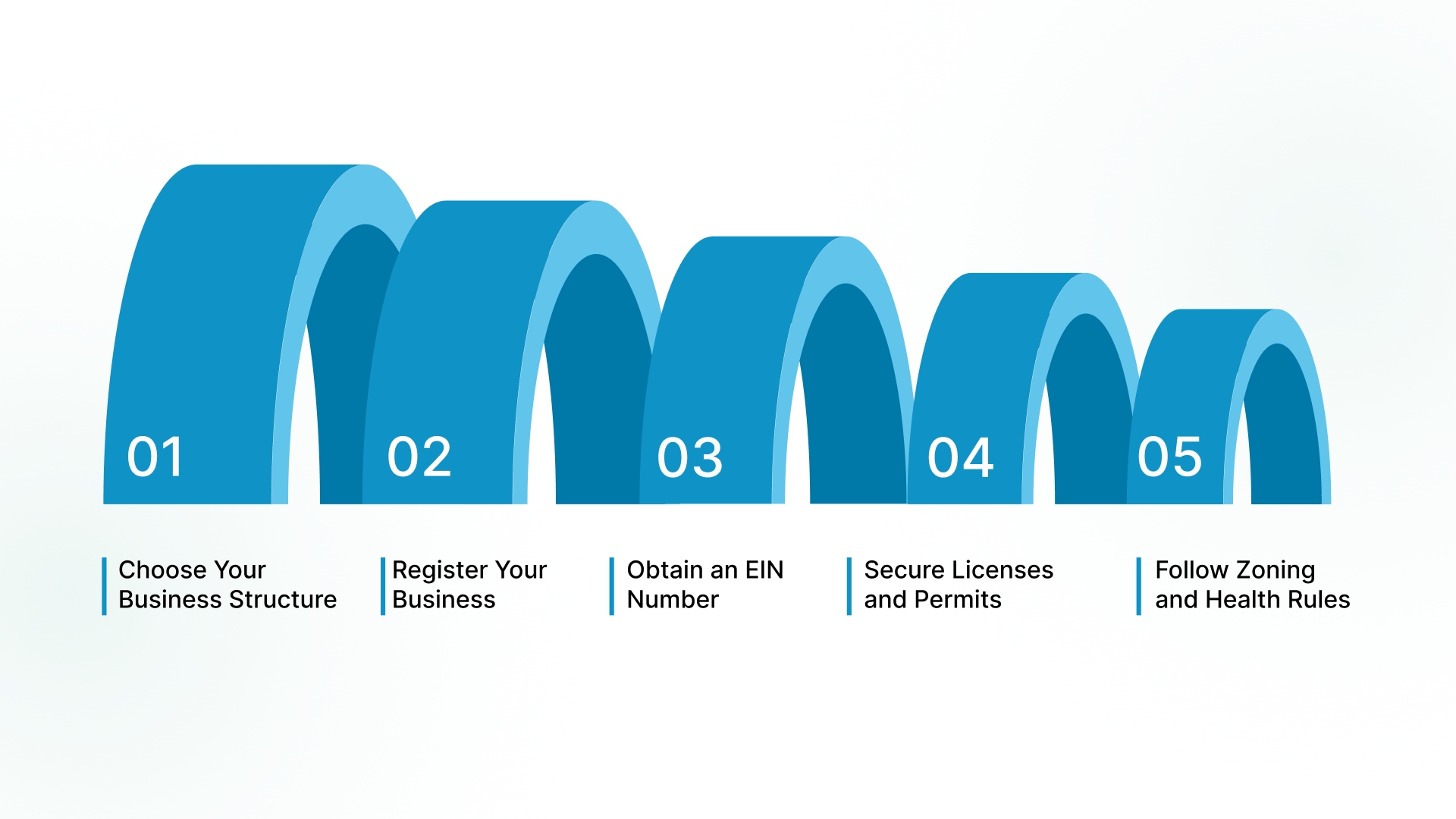
2.1 Choose Your Business Structure
Sole Proprietorship: Simplest structure; owner personally responsible for debts.
Partnership: Share ownership and responsibilities with one or more individuals.
LLC (Limited Liability Company): Protects personal assets; provides tax flexibility.
Corporation: Separate legal entity with complex tax and regulatory requirements.
S Corporation: Offers tax benefits for small businesses, protecting owners' personal assets.
2.2 Register Your Business
After deciding on your business structure, register your business with the appropriate state or local authorities to legally operate.
2.3 Obtain an EIN Number
Obtaining an Employer Identification Number (EIN) is a crucial step when starting a commercial laundry business, as it allows you to legally operate, hire employees, and manage taxes.
Why an EIN is Necessary:
Hire Employees: Required for setting up payroll systems for your commercial laundry business.
Prevent Identity Theft: Using an EIN minimizes the risk of personal identity theft.
License Applications: Most states require an EIN for business licensing.
Bank Account: Opens a business bank account, streamlining finances.
Legal Obligations: Protects your personal assets if you’re structured as an LLC or corporation.
Simplify Taxes: Easily track revenues and expenses for tax preparation.
Build Business Credit: Helps establish a relationship with banks for loans or equipment purchases.
Do you need replacement parts for your commercial laundry? Softrol’s USA-based support team ensures quick, accurate parts for seamless laundry operation.
2.4 Secure Licenses and Permits
To operate legally, secure licenses and permits required by your state or locality. Requirements vary depending on your location and business type.
Key Licenses & Permits:
General Business License: A basic requirement in most states for laundromats, dry cleaners, and full-service laundry services.
Zoning Permit: Required if making physical changes to a property to ensure it meets local zoning laws.
Fire Safety Inspection Permit: Ensures your business is equipped with fire extinguishers and a sprinkler system.
Seller’s Permit: Required to collect state sales tax for services rendered, applicable to dry cleaners and wash-and-fold services.
2.5 Follow Zoning and Health Rules
Adhere to zoning laws and health regulations for the commercial laundry industry to avoid any compliance issues. This includes health and safety standards as well as environmental factors that may affect operations.
Step 3: Location and Equipment
Selecting the right location and equipping your commercial laundry business with the appropriate tools is key to ensuring customer satisfaction and scalability.
3.1 Finding the Perfect Space
Choosing the ideal location will make your laundry service more accessible and convenient for customers.
Apartment Complexes: High demand for regular laundry services from tenants needing pickup and drop-off.
High-Traffic, Low-Speed Streets: Ensures high visibility and easy access for customers.
Complementary Businesses: Proximity to linen rental companies that need quick laundry services for bedding, towels, etc.
Office Parks: Ideal for dry cleaning services for employee uniforms and business attire.
Large Businesses & Institutions: Schools, universities, healthcare facilities, and salons can provide a steady client base.
3.2 Gearing Up with Equipment and Software
Investing in the right equipment and software streamlines operations and helps handle massive orders, meeting the demands of commercial and healthcare clients.
Washers: Choose front-load or stacked washers to handle large loads of linens, towels, and uniforms.
Dryers: Use tumble dryers or specialty dryers for faster drying and minimal downtime, improving throughput.
Steamers: Ensure proper care for delicate fabrics like silk with steamers to remove wrinkles.
Laundry Carts: Wheeled carts streamline the transfer of goods between washing and drying, ensuring smooth workflow and reducing handling time.
3.3 Creating Your Cleaning Oasis
Designing your laundry facility for scalability and smooth operations will keep labor costs low while improving service levels.
Also Read: Using Softrol's LOIS Control System
Step 4: Essential Supplies and Specialized Services
Effective linen management requires high-quality supplies and specialized services to meet the demands of healthcare, hospitality, and linen rental businesses. These services help maintain high-quality standards and cost-effective operations.
4.1 Industrial-Grade Supplies
Using the right supplies is essential to effectively clean and disinfect heavily soiled linens, especially in sectors like healthcare and hospitality, where high standards are crucial.
Key Supplies:
Heavy-Duty Detergents: Designed to tackle tough stains, these detergents protect fabrics while ensuring thorough cleaning of healthcare linens and hotel towels.
Disinfectants: Critical for healthcare laundries, disinfectants ensure linens are sanitized, meeting infection control standards and preventing the spread of pathogens.
4.2 Tailored Services for Businesses
Offering customized services is essential for building long-term relationships with commercial clients in sectors such as uniform rental, healthcare, and linen supply, where specialized care is often required.
Service Options:
Uniform Care: Specialized cleaning for employee uniforms, ensuring consistent quality and longer garment life for uniform rental businesses.
Emergency Pickup/Delivery: Flexible scheduling for frequent clients who need urgent laundry services, such as healthcare providers, during peak times.
4.3 Scaling Up for Volume
As your commercial laundry business grows, scaling up operations to handle increasing volumes while maintaining cost-effectiveness and quality is essential.
Key Growth Areas:
Increased Equipment Capacity: Invest in larger washers and dryers to handle higher laundry volumes, ensuring consistent throughput for healthcare and linen rental clients.
Tech Integration: Use inventory management systems to streamline operations, monitor throughput, and reduce labor costs.
When starting a commercial laundry business, managing labor costs and reducing variability can directly impact profitability. By automating tasks like sorting, loading, and folding, Softrol’s Material Handling Solutions streamline operations, reduce manual work, and increase throughput. With Soil Sort Systems, Laundry Rail Systems, Garment Sort Systems, and Virtual Rail, you can optimize material flow, ensuring optimal staffing and reducing unnecessary overtime.
Step 5: Determine Pricing Strategies
Setting the right pricing strategy is essential to ensure your commercial laundry business remains profitable while staying competitive. With the right approach, you can optimize margins and attract more clients.
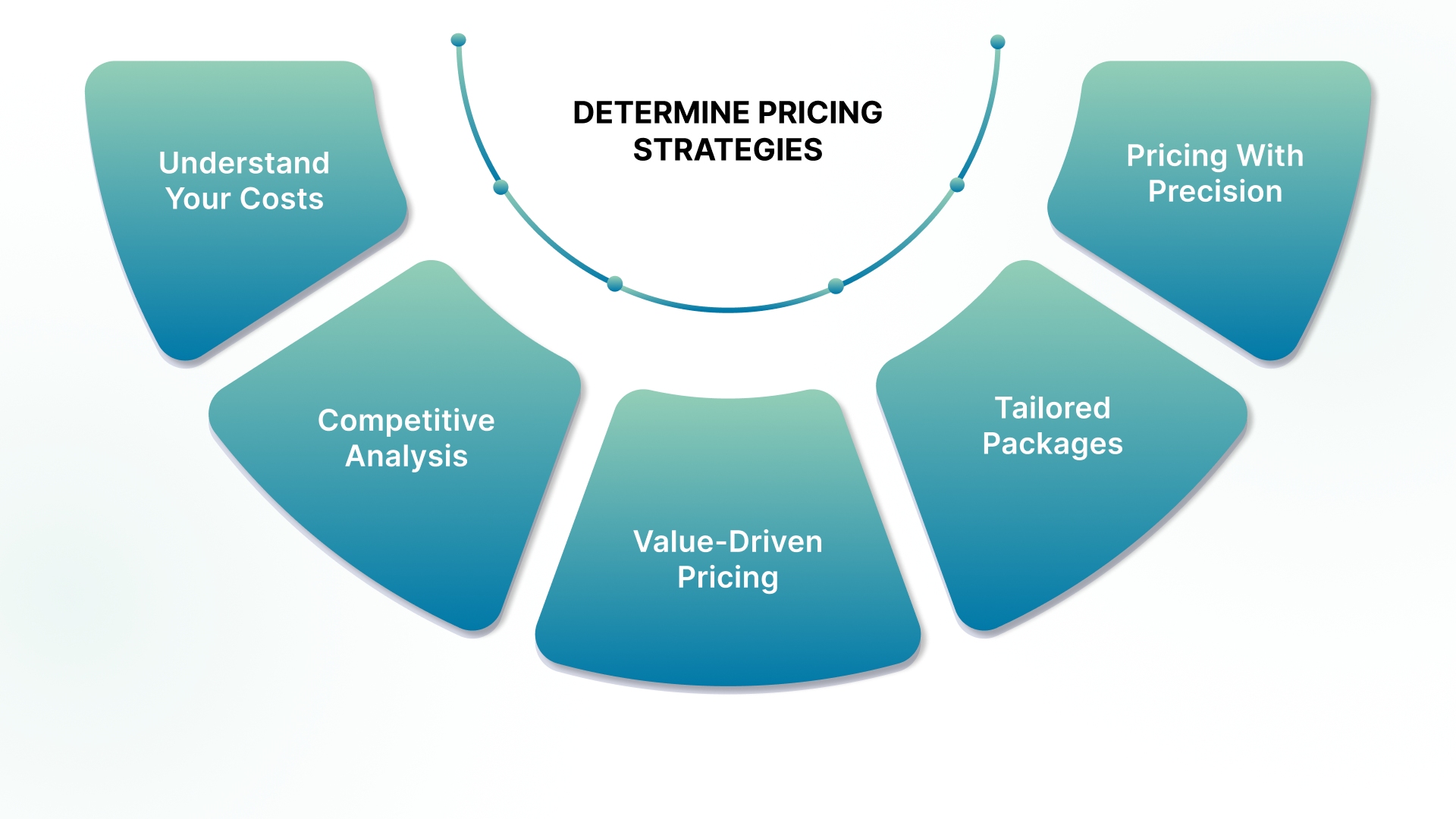
5.1 Understand Your Costs
Knowing your operating costs is critical to determining a sustainable pricing structure that covers overhead and maximizes profitability.
Cost Breakdown Checklist
Equipment costs (maintenance, utilities)
Labor costs (wages, benefits)
Supply expenses (detergents, chemicals)
Facility rent and utilities
5.2 Competitive Analysis
Research competitors in your area to understand their pricing models and services. This allows you to position your business appropriately in the market.
Competitive Pricing Tips
Evaluate competitor pricing structures (per item, per pound)
Identify any gaps or opportunities for differentiation
Monitor their seasonal offers and discounts
5.3 Value-Driven Pricing
Ensure your pricing reflects the value you provide to customers, such as quick turnaround times, high-quality service, or specialized cleaning.
Value-Based Pricing Ideas
Offer premium services like specialized fabric care or express laundry
Bundle services for additional value (e.g., laundry + ironing)
Highlight unique selling propositions (e.g., hospital-grade sanitation)
5.4 Tailored Packages
Consider offering customized pricing packages based on your client's needs, such as subscription models for regular laundry pickups or special rates for bulk orders.
Custom Pricing Models
Subscription services for regular pickups and deliveries
Bulk pricing for linen rental companies or hospital laundries
Tiered pricing based on order volume and complexity
5.5 Pricing with Precision
Set precise pricing that reflects your operational costs, target market, and value proposition. Avoid overpricing, which could drive away clients, or underpricing, which could hurt profitability.
Precision Pricing Steps
Calculate the cost-per-unit for each service type
Factor in operational efficiency (e.g., pounds per labor hour)
Ensure margins are healthy while staying competitive in the market
Step 6: Building a Competent Team
A well-trained and motivated team is the backbone of a successful commercial laundry business. As your business grows, ensuring you have the right people in place is crucial for achieving consistent service quality, optimizing throughput, and managing costs effectively.
6.1 Define Roles and Responsibilities
Clearly defining each team member's role ensures smooth operations and helps maintain accountability.
Role Breakdown
Laundry Manager: Oversees operations, ensuring quality and productivity.
Production Manager: Manages day-to-day tasks and resolves bottlenecks.
Maintenance Manager: Ensures the uptime of equipment, minimizing downtime.
Laundry Attendants: Handle sorting, washing, drying, and folding tasks.
Customer Service: Manages client relations, pickups, and deliveries.
6.2 Hiring Criteria
Hiring the right candidates with relevant experience and skills will enhance the quality of your operations.
Key Hiring Points
Experience in commercial laundry operations (e.g., healthcare or hospitality sectors)
Attention to detail for quality control
Physical stamina for large-scale tasks
Team-oriented and able to work in a fast-paced environment
6.3 Training and Development
A strong training program ensures all employees understand procedures and safety protocols, improving service quality and reducing errors.
Training Program Essentials
Standard Operating Procedures (SOPs) for all tasks
Safety training for handling chemicals and heavy equipment
Quality assurance practices to meet client expectations
Regular upskilling to keep employees updated on new technology and industry best practices
Read this customer success story featuring the Softrol Rail installation at Brightwork Laundry Services.
Step 7: Crafting Your Brand and Reaching Customers
Building a strong brand and a customer outreach strategy is essential to your commercial laundry business. Engaging with your target market, especially in the healthcare, hospitality, and textile rental industries, requires a well-defined brand identity and consistent service quality.
7.1 Brand Identity
Establishing a clear and consistent brand identity helps distinguish your business in a competitive market and builds trust, particularly in industries like healthcare and hospitality, where consistency is key.
Key Brand Elements
Define a mission statement to emphasize your focus on quality.
Develop visual assets (logo, colors) that reflect professionalism and reliability.
Craft a service promise that aligns with industry-specific needs, such as healthcare-grade sanitization or fast turnaround times for hospitality linens.
7.2 Online Presence
Having a strong online presence allows you to reach a wider audience and streamline communication with potential clients. Optimizing your website and social media can drive business, especially for bulk clients like healthcare providers and linen rental companies.
7.3 Online Presence Tips
SEO Optimization: Use local SEO to appear in search results when businesses look for commercial laundry services.
Mobile-friendly Website: Ensure that potential clients can easily access your services from any device.
Service Highlighting: Feature fast turnaround times, cost savings, and specialized care for hospital linens or hotel sheets.
Social Media Engagement: Share before-and-after images and client testimonials, and use targeted ads to showcase quality and build trust, reaching specific industries like linen rental services.
7.4 Networking
Networking with businesses and industry peers is key to building relationships that lead to long-term contracts. Attend industry events to meet decision-makers from hospitals, hotels, or uniform rental services.
Networking Strategies
Join Industry Associations like the Healthcare Laundry Association to meet facility managers.
Attend Conferences such as Hospitality Industry events to connect with potential clients.
Offer referral programs to existing clients to bring in new business.
7.5 Reaching New Heights
As your laundry business grows, expanding services and adjusting to market changes is essential. Scaling up may include adding more equipment, adjusting pricing models, or entering new markets.
Growth Strategies
Implement new service offerings like urgent same-day delivery or specialized linen care.
Use technology like inventory management software to scale operations.
Expand your client base by targeting sectors such as healthcare facilities and linen rental businesses.
Also Read: Softrol's Bulk Tracking And Garment Tracking
Step 8: Streamlining Operations
Streamlining operations is essential for any commercial laundry business, especially to handle large volumes while maintaining cost control. Utilizing data-driven insights and automation ensures smooth operations.
8.1 Workflow Analysis
Conducting regular workflow analysis helps identify bottlenecks and optimize labor allocation. Time and motion studies can pinpoint inefficiencies in linen sorting, washing, and drying.
Workflow Improvement Tips
Map each step of the laundry process to identify unnecessary delays.
Measure cycle time for sorting, washing, drying, and folding to increase throughput.
Automate sorting and loading to improve labor efficiency and reduce costs.
8.2 Technology Integration
Integrating technology like inventory management software, automated chemical dosing systems, and IoT-enabled washing machines can significantly improve productivity.
Tech Integration Tips
Use real-time tracking for inventory management, allowing for quicker response times and fewer stockouts.
Implement automated chemical dosing to ensure proper detergent use, reducing waste and improving cleaning consistency.
Monitor equipment performance remotely to minimize downtime and prevent service interruptions.
As you start your commercial laundry business, optimizing material flow is essential to avoid bottlenecks that impact throughput and increase costs. Softrol’s Total Plant Integrated Data & Software provides real-time visibility into all your operations. With PulseNet Production System (PPS), you can track performance at each stage, from soil sort to wash aisle, to prevent rail jams or load imbalances. LOIS allows you to monitor plant performance remotely, identifying and resolving issues before they affect productivity.
8.3 Quality Control Protocols
Implementing quality control protocols ensures that linens consistently meet service level expectations. In healthcare, this means maintaining hygiene standards, while in hospitality, it ensures that towels and sheets are in pristine condition.
Quality Control Tips
Perform visual checks on linens before and after washing to ensure there are no defects.
Use RFID tracking to ensure each linen’s cleanliness and track its use.
Set clear quality standards that align with industry regulations for cleanliness and sanitization.
Step 9: Creating Partner Relationships for Success
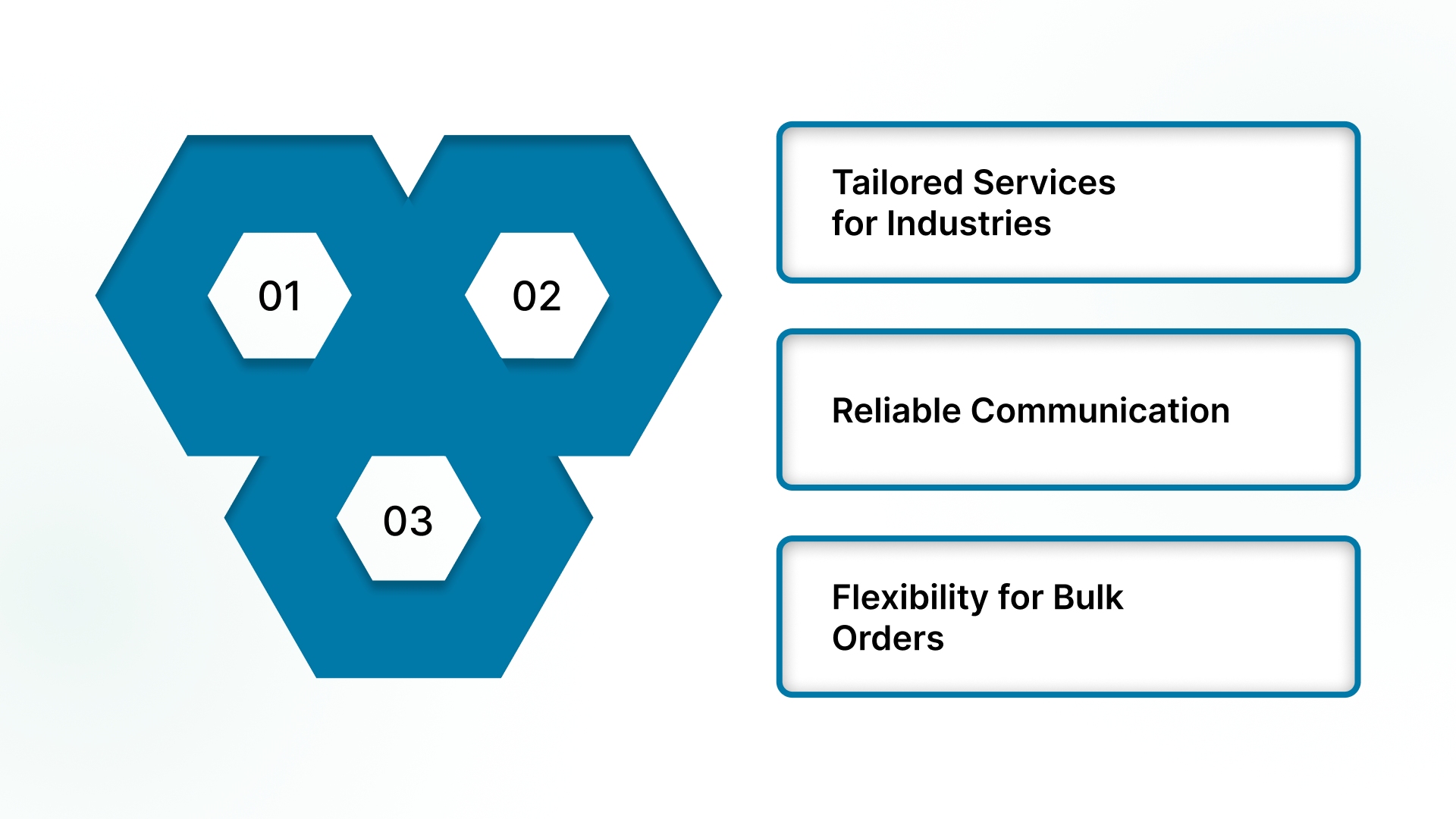
Establishing strong, mutually beneficial relationships with industry partners is important to growing and maintaining a successful commercial laundry business. Partnerships with healthcare facilities, linen rental companies, and hotels can lead to increased business opportunities and better service delivery.
9.1 Tailored Services for Industries
Providing customized laundry services for different sectors helps meet the specific needs of clients. Be it healthcare linen sanitization or hotel towel cleaning, tailored services enhance customer satisfaction.
Tailored Service Ideas
Provide hospital-grade sanitation for healthcare clients.
Offer quick-turnaround services for hotels with linen needs.
Customize pricing models for linen rental businesses based on volume and frequency.
9.2 Reliable Communication
Establishing strong, reliable communication with clients ensures timely updates on laundry status and any special requirements. Clear communication improves client relationships and trust.
Communication Strategies
Use automated notifications for updates on order status, ensuring clients are informed in real time.
Schedule regular check-ins to assess client satisfaction and resolve issues.
Offer dedicated account managers for larger clients to provide personalized service.
9.3 Flexibility for Bulk Orders
Providing flexibility for clients with large or bulk orders is essential in the commercial laundry industry. Offering services that can scale with demand helps maintain strong, long-term client relationships.
Bulk Order Management Tips
Offer discounted pricing for large, bulk orders to incentivize contracts.
Ensure scalable equipment capacity that can handle increased loads during peak times.
Provide customizable service packages based on volume, delivery frequency, and special requirements.
Explore Softrol’s brochures on comprehensive automation systems, from productivity controls to management software.
9.4 Quality Assurance
Consistent quality assurance ensures that all linens are processed to the highest standards. This is particularly important in industries such as healthcare, where sanitary standards must be strictly followed.
QA Best Practices
Use spot checks and random sampling of finished linens to ensure quality.
Implement performance audits regularly to ensure compliance with health regulations.
Keep detailed records of each batch to monitor consistency and improve processes.
Step 10: Collecting Customer Feedback for Continuous Improvement
Customer feedback is an invaluable source of insights to ensure your commercial laundry operations meet client needs and exceed expectations.
Key Action Points:
Regular Surveys: Use surveys to track client satisfaction, especially in areas like turnaround time and linen quality.
Service Improvement: Analyze feedback to improve your service levels and adjust offerings like custom linen care for hospitals.
Real-Time Data: Implement a real-time feedback system for instant responses to service issues, enhancing client retention.
Step 11: Service Diversification and Geographic Expansion
Expanding service offerings and geographic coverage is a critical growth strategy for high-volume laundry businesses. With the right systems and capacity, you can cater to new sectors or scale your operations to multiple regions.
Key Action Points:
Expand Service Portfolio: Add services like same-day delivery, linen sterilization, or specialty fabric care for different sectors such as healthcare and uniform rentals.
Geographic Expansion: Open new locations or offer remote services to other areas, targeting growing commercial laundry markets.
Target Industry Niches: Focus on underserved markets such as government facilities or veterinary clinics, where specific laundry needs are prevalent.
Also Read: Benefits Of Softrol Garment Sort Systems
Once the groundwork is complete, it's time to optimize operations with the right strategies and solutions for long-term success.
Manage Resource Allocation in Your Commercial Laundry with Softrol’s Integrated Systems
Launching a commercial laundry business presents a promising opportunity to meet the rising demand for dependable, top-quality laundry services. Yet, overcoming the operational challenges and optimizing efficiency can be complex and resource-intensive. Softrol’s solutions help you achieve measurable improvements in cost per load, labor utilization, and equipment uptime, supporting the growth and profitability of your commercial laundry business.
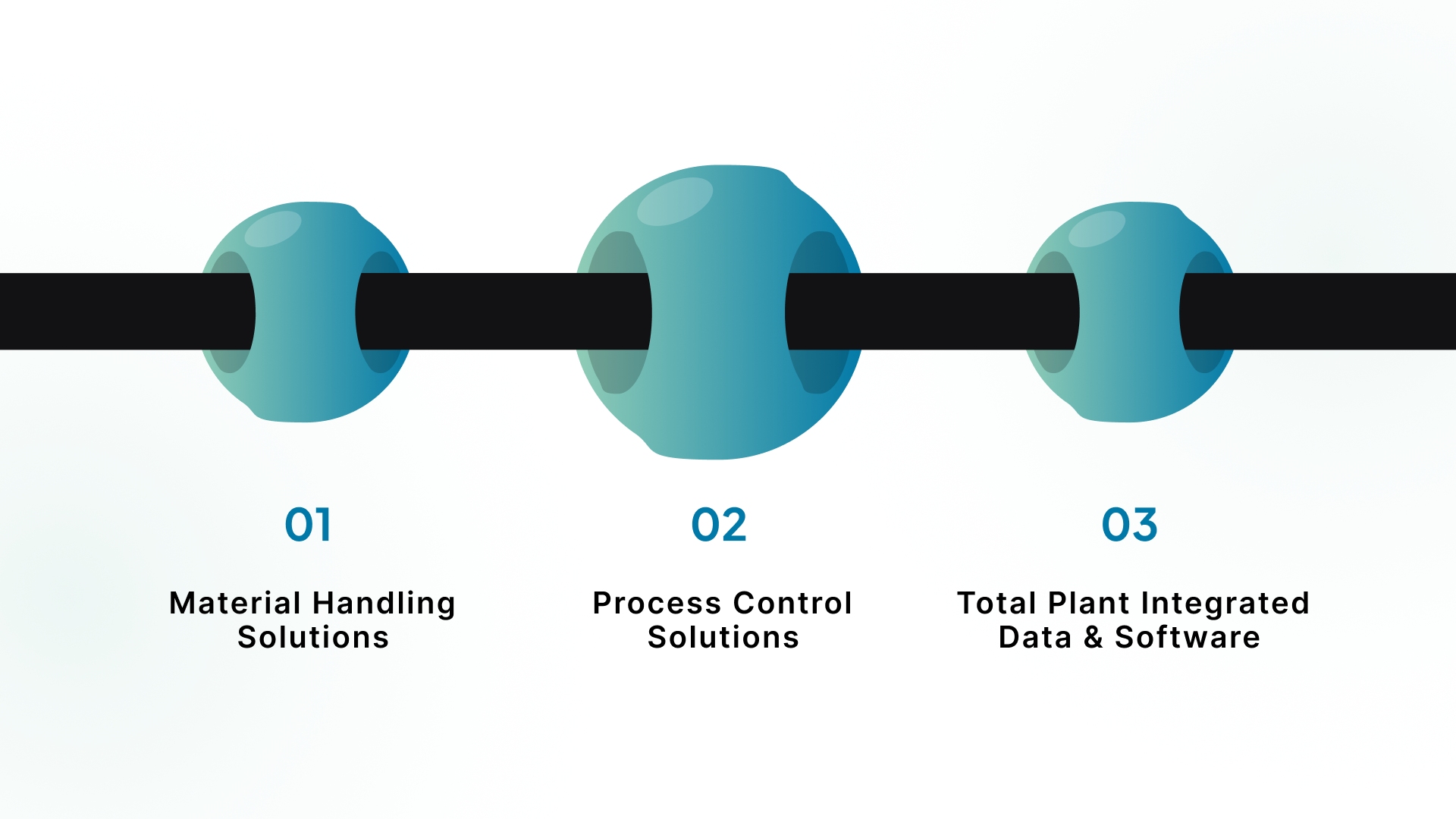
Material Handling Solutions
Softrol’s material handling systems automate the flow of goods, reducing manual handling and ensuring seamless movement of linens throughout the laundry process.
Soil Sort Systems: Efficiently classify incoming soiled items based on wash requirements, ensuring accurate processing and improving downstream automation.
Laundry Rail Systems: Use overhead monorails to transport linens, freeing up floor space and improving operational flow.
Garment Sort Systems: Automatically sort garments by customer or type, improving accuracy and reducing labor costs.
Process Control Solutions
Process control systems help maintain consistency in your laundry’s output while optimizing resource usage, reducing rewash rates, and improving overall laundry performance.
Wash Aisle Systems: Automate wash cycles and chemical dosing, ensuring optimal results and minimizing manual oversight.
Catalyst Chemical Systems: Control chemical usage to reduce waste and improve environmental sustainability while maintaining fabric integrity.
Total Plant Integrated Data & Software
Softrol’s integrated data systems offer a real-time overview of your laundry’s performance, allowing you to make informed decisions based on accurate, up-to-date data.
PulseNet Production System (PPS): Track throughput, labor efficiency, and machine utilization to optimize productivity and reduce downtime.
Management Information Systems: Aggregate data from across your operations to help identify bottlenecks and optimize workflows.
LOIS (Laundry Operation Information System): Access plant performance data remotely, monitor multiple locations, and receive alerts on any performance issues to ensure continuous operation.
Watch this video to learn how Softrol’s PulseNet Productivity Systems (PPS) optimize efficiency and performance in your commercial laundry operations.
Conclusion
Starting a commercial laundry business requires careful planning and execution, especially when optimizing operational efficiency, throughput, and cost management. By following these 11 steps, from conducting detailed market research to defining your business structure and securing essential equipment, you can position your business for sustainable growth.
Softrol offers Material Handling Solutions to streamline workflows by automating soil sorting and rail systems, ensuring smooth material flow and reducing manual labor. Our Process Control Solutions, including Wash Aisle Systems and Catalyst Chemical Systems, guarantee consistent quality with automated chemical dosing and cycle management. Finally, our Total Plant Integrated Data & Software gives you real-time insights into plant performance to optimize throughput, reduce downtime, and minimize costs.
Reach out to Softrol today to learn how our integrated plant solutions can help improve your laundry efficiency and cut operational costs.
FAQs
How do I calculate the labor costs for my commercial laundry operations?
Focus on pounds-per-labor-hour (PPLH) to measure labor efficiency. Track labor costs across each stage, including soiling, washing, drying, folding, and delivery, to maintain profitability.
What equipment should I prioritize for a new commercial laundry business?
Invest in high-capacity washers and energy-efficient dryers. Consider automated sorting and rail systems for efficient material handling and reduced downtime.
How can I ensure consistent quality and minimize rewash rates?
Implement process control systems that automate chemical dosing, track wash cycle times, and ensure precise temperature control to maintain fabric integrity and reduce rewash cycles.
What are the best ways to reduce utility costs in laundry operations?
Invest in water-saving technologies, energy-efficient dryers, and automated chemical dosing systems. Monitor utility consumption and optimize machine performance to lower the cost per load.
How can I differentiate my commercial laundry business in a competitive market?
Offer value-added services like specialty linen care, quick turnaround times, or green laundry practices. Monitor customer satisfaction KPIs and adjust based on feedback to improve retention rates.