Managing inventory can be a big headache, especially in busy industries like laundries, textile rentals, and healthcare. Keeping track of thousands of items manually often leads to mistakes and wasted time. But there’s a better way. RFID Inventory Management Systems are making it easier to track items accurately and quickly.
The U.S. RFID market is expected to reach USD 10,135.25 million by 2032, growing at a 10.3% rate each year. This shows just how much businesses are turning to RFID for help.
In this blog, we’ll explain how RFID works, the benefits it brings, and why it’s a must for industries that need fast, accurate inventory management.
Overview
RFID automates inventory tracking by using tags, readers, and antennas, providing real-time visibility into item location and status, eliminating manual checks.
For high-volume operations like industrial laundries, RFID enhances accuracy, reduces labor costs, and prevents inventory discrepancies, improving operational efficiency.
RFID systems integrate seamlessly with existing warehouse management systems (WMS) and ERP platforms, allowing for smooth implementation, even in older facilities.
While RFID requires an initial investment in tags and readers, the long-term ROI includes savings from improved throughput, reduced errors, and better resource management.
RFID improves inventory accuracy, minimizes human error, and enables real-time data-driven decisions, which optimize workflows and ensure timely deliveries.
What is RFID for Inventory Management?
In modern industrial operations, keeping track of assets and inventory is no longer a manual task. RFID, or Radio-Frequency Identification, is transforming inventory management by providing automated, real-time visibility into the location and status of items.
At its core, an RFID system consists of three components:
Tags
Readers
Antennas
Tags are attached to individual items or containers, readers send signals to detect these tags, and antennas facilitate communication between them.
RFID in High-Volume Industries
For high-volume industries like textile rental, healthcare, and hospitality laundries, RFID eliminates the need for manual scanning and counting. Instead of relying on labor-intensive checks, managers can track thousands of items across sorting, washing, drying, finishing, and shipping processes.
By automating these workflows, RFID reduces errors, improves throughput, and ensures that linens, uniforms, and other assets are always accounted for.
In many plants, RFID works alongside existing automation, such as rail systems, sorting systems, and wash aisle controls, to create a connected workflow. Solutions like Softrol’s material handling and process-control systems are often used as the backbone that RFID integrates with, ensuring smooth item movement and end-to-end traceability.
Additionally, industrial laundries processing hundreds of thousands of garments per week benefit most. RFID integrates seamlessly into material handling systems, wash aisle controls, and plant-wide reporting platforms.
Also Read: What Features Make Softrol Rail Better?
Why RFID is a Must-Have for Industrial Laundries and High-Volume Operations?
High-volume laundries deal with recurring issues: high labor dependency, frequent inventory mismatches, and pressure to maintain delivery accuracy. Manual checks or barcode scans slow down operations, especially when plants handle thousands of items per shift.
RFID helps stabilize these problem areas by automating identification and movement tracking across soil sort, wash aisles, finishing, and dispatch. Instead of depending on operator input, the system updates item status in the background, reducing handling time and improving delivery consistency.
Many plants pair RFID with their existing operational systems to strengthen this reliability. Softrol’s control platforms are a common example; not because RFID replaces them, but because the process data they already manage becomes more complete when RFID is added.
Plants gain better visibility into item flow, fewer manual interventions, and clearer exception reporting, all without altering established wash or finishing workflows. This combination supports decision-makers who measure performance through uptime stability, reduced reprocessing, and consistent daily throughput; not hypothetical savings, but practical operational control.
How Does RFID Work in Inventory Management Systems?
RFID systems function by attaching tags to items, which emit radio signals captured by readers. These readers can be handheld or fixed at strategic points like sorting stations, wash aisles, or storage areas. Once detected, the data is transmitted to the inventory management system, providing real-time updates on item location, status, and movement history.
Integration with existing Warehouse Management Systems (WMS) or ERP platforms ensures that RFID data complements current workflows without requiring a complete overhaul. For industrial laundries, this means legacy tunnels, washers, dryers, and rail systems can be equipped with RFID readers and tracking software without interrupting production.
Step-by-step, an RFID-enabled workflow might look like this:
Tag garments or linen bundles with passive or active RFID tags.
As items enter the soil sort, readers detect and log them into the system.
Items are automatically tracked through washing, drying, and finishing processes.
Final delivery is logged, ensuring accurate shipment and inventory reporting.
The simplicity of implementation, even in older facilities, makes RFID highly adaptable for high-volume operations seeking to modernize without major capital expenditure.
Types of RFID Tags Used in Inventory Management
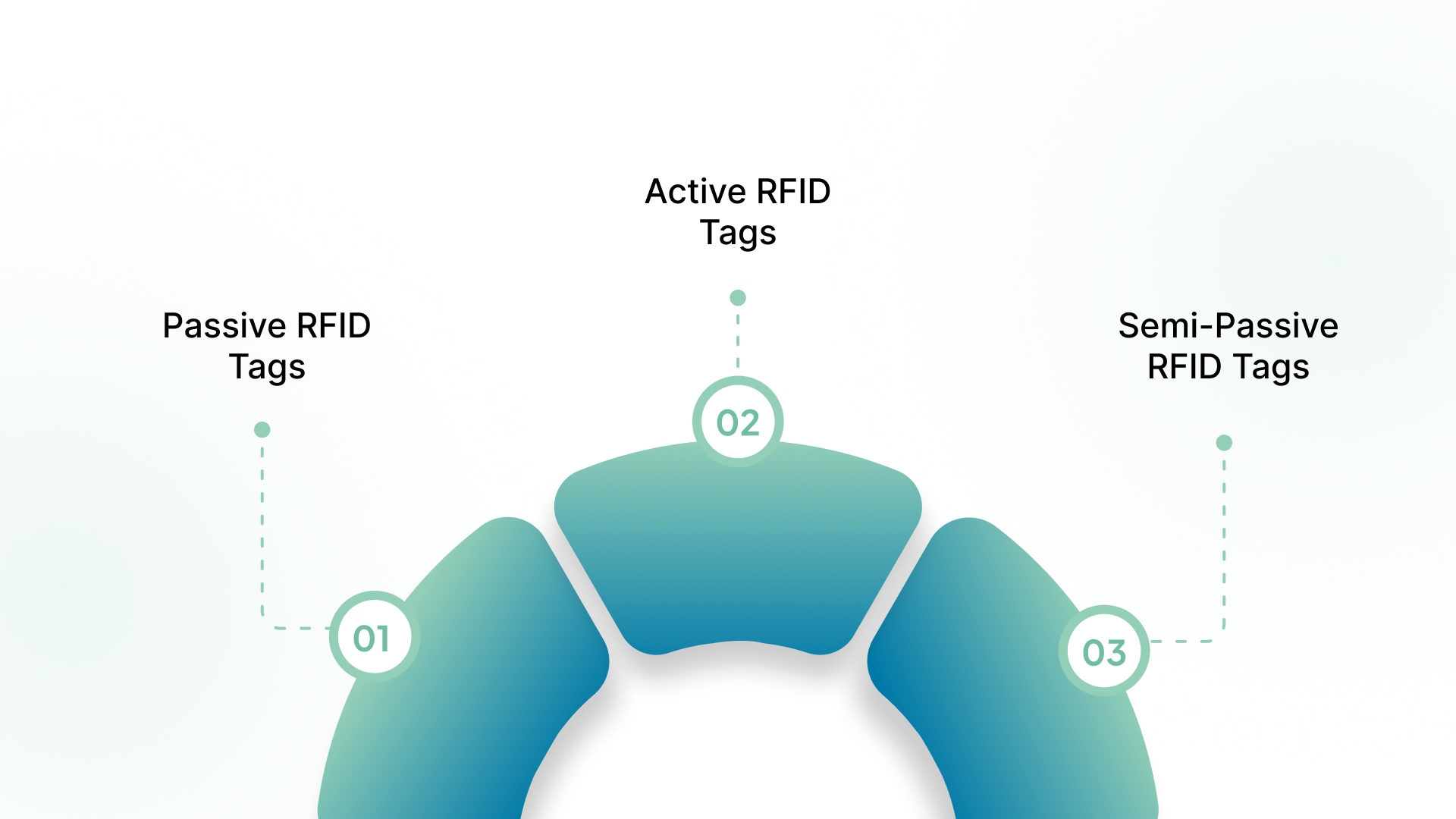
RFID tags come in different formats, and each type supports a different operational need. Choosing the right tag depends on how often items move, the environment they go through, and the level of tracking required.
1. Passive RFID Tags
Passive tags rely on the reader for power. They work well for items that stay close to scanning points, such as linen bags, gowns, or uniforms in textile rental plants. They are cost-effective for large inventories but have shorter read ranges and may not withstand harsh wash cycles.
2. Active RFID Tags
Active tags include a built-in battery, allowing longer read distances and continuous tracking. Large laundry plants and hospitals use them for trolleys, carts, and high-value garments that need real-time visibility. They offer strong performance in fast-moving environments but are more expensive per unit.
3. Semi-Passive RFID Tags
Semi-passive tags use a small battery to support the chip but activate only when near a reader. They offer a better range than passive tags while conserving energy. They are useful in hybrid setups, such as automated material handling or wash aisle tracking, where some items need ongoing monitoring, and others need periodic scanning.
Selecting the right tag type depends on plant layout, volume, and tracking goals. High-throughput facilities often use a mix of these tags to balance cost, performance, and durability.
Also Read: Improve Plant Automation through Softrol's Wash Aisle Controls
RFID vs. Barcode: Which Inventory Management System Is Right for You?
RFID and barcodes both track items, but they work differently. The right choice depends on how fast your plant moves and how much manual work you can handle.
RFID vs. Barcode: Key Differences
Criteria | RFID | Barcode |
Scanning | No line-of-sight | Needs line-of-sight |
Speed | Scans many items at once | One item at a time |
Updates | Real-time | Only after a manual scan |
Labor Need | Low | High |
Durability | Strong, long-lasting tags | Labels fade or tear |
Best For | High-volume plants | Small operations |
In simple terms, RFID supports fast-moving laundry by reducing manual work and improving accuracy. Barcodes work well for smaller setups that don’t need automation.
Benefits of Using RFID for Inventory Management in Large Operations
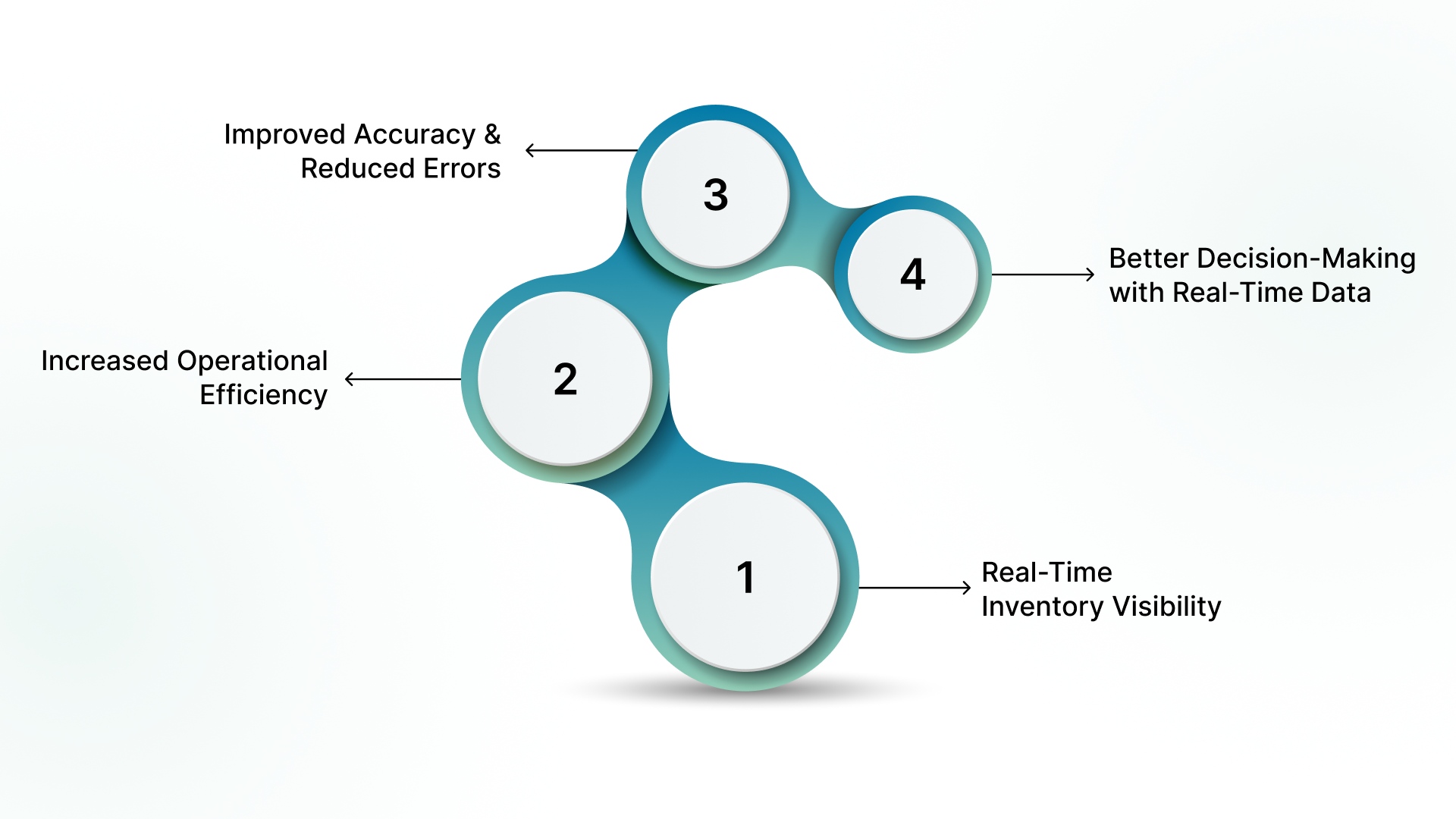
Large laundries and high-volume plants need systems that can keep up with fast-moving workflows. RFID gives managers real-time visibility and control, making it easier to handle large loads, reduce delays, and maintain consistent service levels.
1. Real-Time Inventory Visibility
From soil sorting to clean storage, RFID provides instant updates on every item’s location. Managers can pinpoint missing items, monitor workflow, and ensure accurate delivery, even in plants handling hundreds of thousands of garments weekly.
2. Increased Operational Efficiency
Automated tracking eliminates manual scanning, freeing up labor for other critical tasks. Sorting, storage, and retrieval become faster, enabling higher throughput without increasing staffing.
3. Improved Accuracy and Reduced Errors
Manual counting is prone to mistakes. RFID ensures items are automatically logged at each stage, reducing errors, mis-sorts, and rewash rates.
4. Better Decision-Making with Real-Time Data
With RFID-enabled reporting, plant managers can analyze trends, optimize staffing, track chemical and utility usage, and make data-driven decisions. For example, adjusting wash cycles based on historical throughput data can reduce energy use while maintaining quality.
In large operations, RFID becomes a control system, not just a tracking tool. It helps plants run with greater speed, accuracy, and consistency.
Challenges & Limitations of RFID Systems in Inventory Management
Even though RFID brings strong operational gains, large laundries and textile plants must plan for certain challenges before implementation. Understanding the limitations below helps teams set realistic expectations and design a system that performs well under daily plant conditions.
1. Initial Setup Cost
RFID systems require investment in tags, readers, antennas, and software. While ROI is significant, upfront costs can be a barrier for some operations.
2. Integration Challenges
Older laundry facilities may need minor upgrades or reconfiguration to support RFID infrastructure, such as installing readers along rail lines or wash aisles.
3. Environmental Interference
Water, metal equipment, and other materials in laundries can interfere with radio signals. Planning antenna placement and tag selection is essential to avoid data gaps.
4. Tag Durability and Longevity
Tags must withstand repeated washes, high heat, chemicals, and mechanical stress. Selecting industrial-grade tags ensures they remain functional over extended periods, maintaining the reliability of the inventory system.
By planning for these limitations early, plants can build a stable RFID setup that delivers consistent reads, smooth integration, and long-term operational control.
What is RFID Tracking Software?
RFID tracking software integrates with the tags and readers to manage inventory in real time. It consolidates item data, tracks movement, and generates reports to improve operational efficiency.
Key Features of this Software include:
Real-time asset tracking: See item location at any moment.
Integration with WMS/ERP systems: Seamless updates to existing business software.
Reporting and analytics: Identify inefficiencies, optimize labor costs, and improve decision-making.
How RFID Tracking Software Enhances Plant Operations?
RFID software strengthens operational control by giving supervisors clearer, timestamped data for every movement. This helps plants reduce mis-sorts, avoid lost items, and maintain tighter process discipline.
In many facilities, RFID software is used alongside platforms like Softrol’s process-control systems, which already capture production data from washers, dryers, and rail systems.
When paired together, managers gain a unified view of item flow and equipment activity, supporting more predictable turnaround times, steadier throughput, and fewer handling errors without changing existing workflows.
How RFID Systems Improve Inventory Accuracy and Reduce Errors?
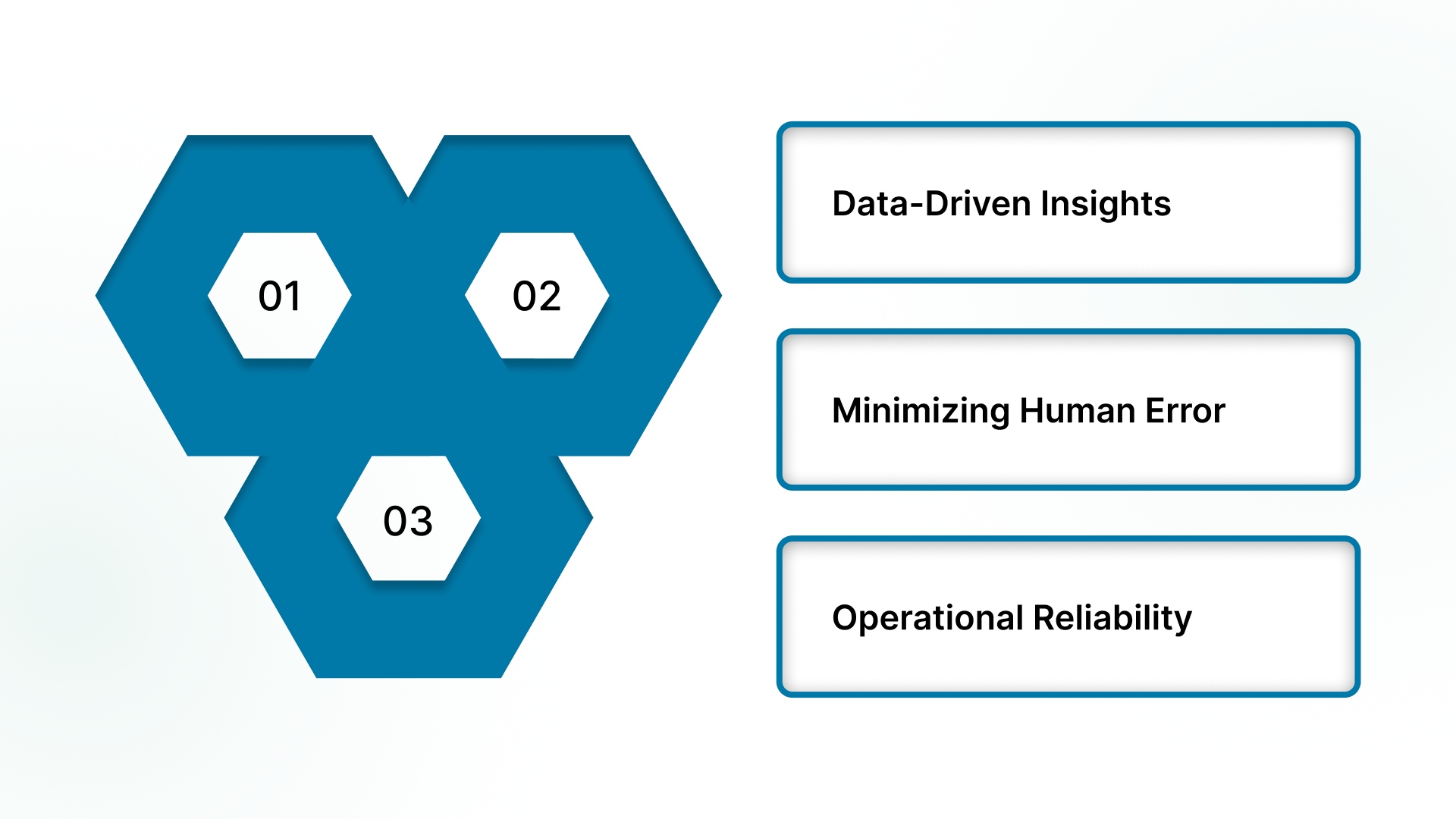
Accurate inventory tracking is important in high-volume laundries, and RFID provides the visibility needed to manage every item efficiently.
1. Data-Driven Insights
RFID automatically tracks every item, giving managers real-time, actionable information on inventory status. This visibility supports better planning for labor allocation, maintenance scheduling, and material flow, helping supervisors make operational decisions based on actual plant performance rather than estimates.
2. Minimizing Human Error
By replacing manual counts and line-of-sight barcode scanning, RFID reduces misplacement, mis-sorting, and missed deliveries. Items move through sorting, washing, drying, and finishing with fewer interruptions, lowering the risk of errors that can disrupt throughput.
3. Operational Reliability
Plants using RFID alongside automation platforms, such as process-control and material-handling systems, gain more consistent inventory tracking. This ensures recorded inventory closely matches physical stock, improving overall operational reliability and reducing the potential for costly disruptions.
By automating item tracking and reducing reliance on manual checks, RFID strengthens operational control and helps maintain consistent, reliable workflows across the plant.
Also Read: Laundry Reporting Systems
Amplifying RFID Impact with Softrol Systems
RFID delivers automated, real-time tracking, but its effectiveness grows when paired with integrated process-control and material-handling platforms. Softrol systems are already implemented in many high-volume laundries, providing continuous visibility into washers, dryers, and rail transport.
When RFID is layered on top of these systems, managers gain precise control over item flow and equipment usage. This combination supports:
Reducing mis-sorts and handling errors without altering existing workflows
Aligning labor and resource allocation with real-time operational data
Maintaining steady throughput across wash aisles, sorting, and finishing areas
Enabling actionable insights for process optimization and predictable turnaround
In essence, RFID captures inventory movements, and Softrol systems turn that data into operational intelligence. It helps large laundries achieve higher efficiency, lower error rates, and more consistent service delivery.
Conclusion
RFID inventory management is transforming high-volume laundries, textile rental operations, and healthcare facilities by providing automated, real-time tracking of every garment and linen. Plants that implement RFID gain greater visibility, reduce manual labor, minimize errors, and optimize throughput, from soil sorting and wash cycles to finishing and shipping. This ensures more reliable, timely service and stronger operational control.
When paired with Softrol’s process-control and material-handling systems, RFID becomes even more powerful. Softrol platforms capture equipment data and material flow across the plant. It enables managers to translate RFID insights into actionable operational decisions. Together, they support steadier throughput, fewer handling errors, and more predictable turnaround times without requiring major changes to existing workflows.
To see how Softrol systems can enhance your laundry operations, contact us today for a consultation and learn how to implement smarter, data-driven inventory management in your facility.
FAQs
How accurate is RFID inventory?
RFID inventory systems can achieve 95–99% accuracy, depending on tag quality, reader placement, and environmental conditions. Real-time scanning eliminates manual errors, ensures proper tracking, and provides actionable data for high-volume operations like laundries and warehouses.
Does RFID stop shoplifting?
RFID helps deter theft by providing real-time item tracking and alerts when items leave designated zones. While it cannot fully prevent shoplifting alone, it enhances security when integrated with access control and monitoring systems.
Can RFID track items across multiple facilities?
Yes. RFID systems integrated with cloud-based inventory software allow tracking across warehouses or plants. Managers can monitor stock movements, update inventory in real-time, and optimize resource allocation across multiple locations efficiently.
How does RFID improve turnaround time in laundries?
RFID automates sorting, transport, and tracking of linens or garments. By reducing manual handling, minimizing errors, and providing real-time data, laundries achieve faster processing, higher throughput, and on-time deliveries consistently.