Large hospitals, with their round-the-clock operations, generate the bulk of order volumes, while specialty clinics and ambulatory surgery centers are growing rapidly at a 10.93% CAGR, reflecting the shift to outpatient care. In high-volume settings like hospitals, government-run facilities, and healthcare laundries, effective linen management directly impacts operational costs and service quality.
Proper management involves meticulous handling, laundering, and storage processes, ensuring that soiled linens are treated with the utmost care while adhering to strict hygiene standards.
This guide explores the best practices for linen management in healthcare, offering valuable insights for healthcare laundries, textile rental services, and large-scale institutional laundries.
Key Takeaways
Linen sorting and handling in healthcare laundries optimizes throughput and reduces labor costs, ensuring that clean linens are consistently available for patient care.
Automating inventory tracking with technologies like RFID improves stock management, reduces linen loss, and streamlines linen distribution, ultimately lowering operational costs.
Adhering to disinfection protocols and using the correct chemical dosing ensures infection control compliance, protecting patient safety and improving wash quality with minimal chemical waste.
Energy-efficient washers and dryers and optimized wash cycles reduce utility costs and enhance linen quality without sacrificing throughput.
Tracking KPIs such as pounds-per-labor-hour, wash cycle effectiveness, and inventory turnover rates provides actionable insights to improve cost-efficiency, productivity, and quality consistency in healthcare laundry operations.
4 Best Practices for Linen Handling in Healthcare Laundry Operations
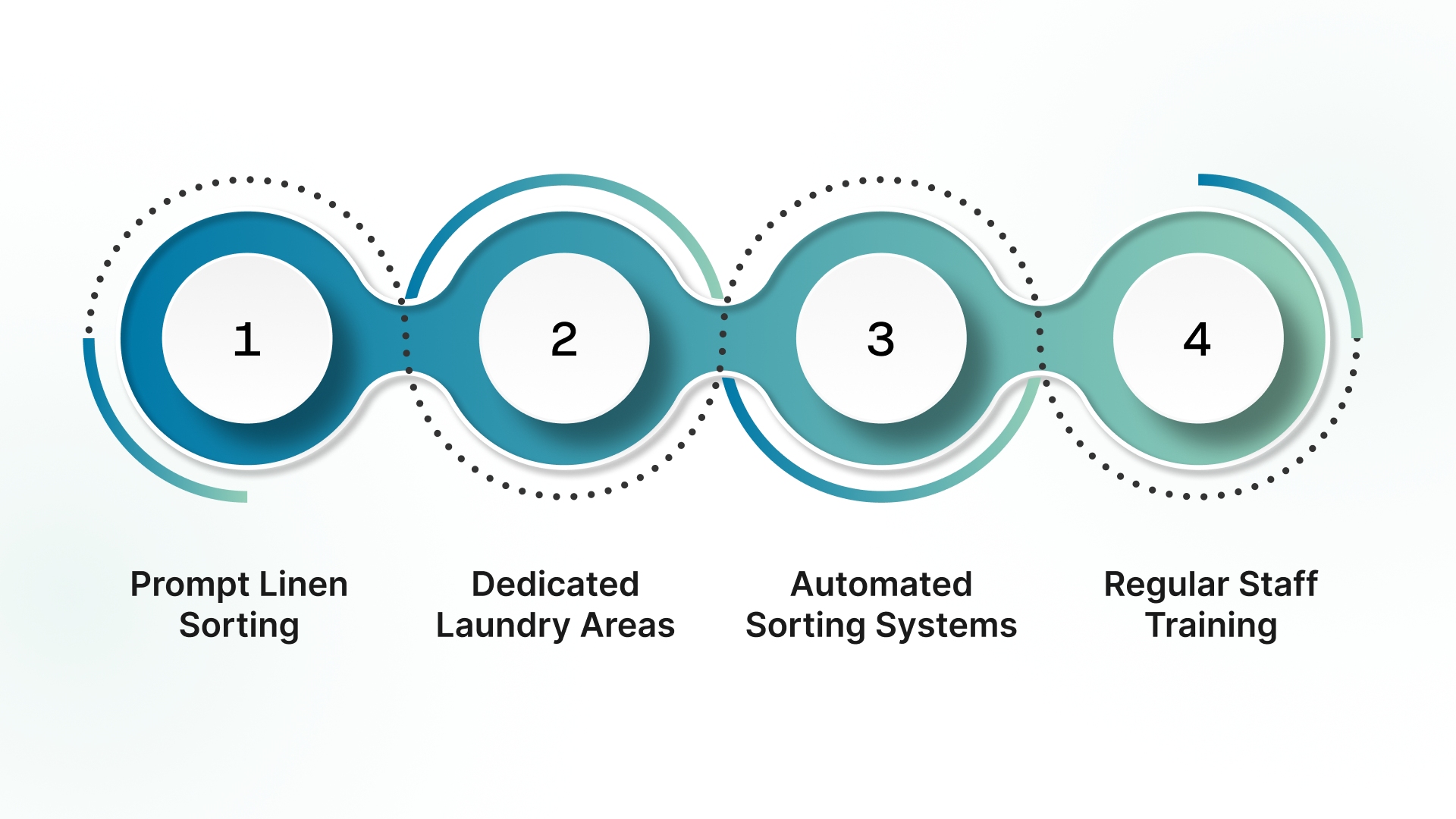
Linen handling is crucial for operational success in high-volume laundry operations, especially in industries like healthcare, hospitality, and textile rental services. The following practices ensure streamlined workflows and better cost control in daily operations.
Prompt Linen Sorting
Sort linens immediately by type, color, and soil level to optimize wash cycles. This ensures throughput targets are met with minimal delays, reducing labor costs and increasing pounds-per-labor-hour.
Dedicated Laundry Areas
Allocate designated spaces for processing soiled linens, preventing cross-contamination with clean linens. This maintains hygiene standards, ensuring compliance with industry regulations while also streamlining the handling process.
Automated Sorting Systems
Implement automated sorting technology to reduce manual labor and sorting time. This boosts productivity by improving sorting speed, reducing errors, and enhancing pounds-per-labor-hour, contributing to cost-efficiency.
Regular Staff Training
Continuously train staff on best practices for handling, sorting, and washing linens to minimize rewash rates and improve quality control. Well-trained staff contribute to better consistency in output and reduced downtime.
Inconsistent wash quality and rewash rates in healthcare laundries can affect patient safety. But with Softrol’s Process Control Solutions, you can ensure consistent chemical dosing, optimized wash cycles, and effective drying to prevent fabric damage and reduce waste. By automating chemical injection and integrating wash aisle systems, you can significantly improve wash consistency, reduce chemical costs, and meet healthcare hygiene standards while maintaining productivity.
To further streamline operations, it’s essential to understand key factors influencing laundry quality.
7 Key Factors Driving Laundry Efficiency and Quality in Healthcare Operations
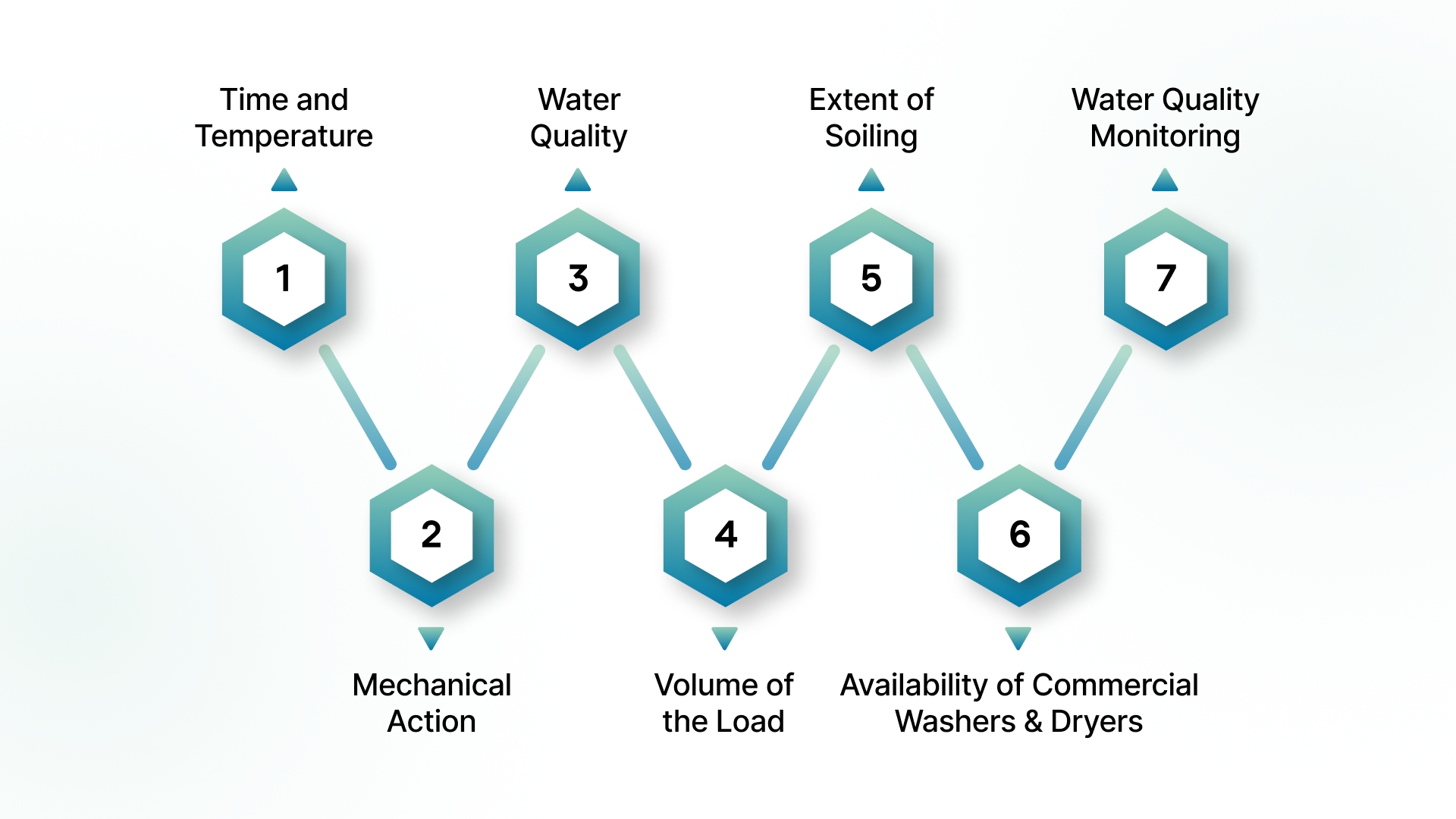
Healthcare laundries must balance productivity with strict quality standards to maintain hygiene and reduce costs. The following key factors, from chemical dosing to equipment uptime, will enhance productivity while meeting healthcare regulations.
Time and Temperature
In healthcare laundries, achieving optimal results in wash cycles depends on the right time and temperature settings. Properly adjusting these variables ensures thorough cleaning while safeguarding fabric integrity.
Best Practices for Time and Temperature:
Adjust wash times according to the type of linen and soil level for more effective cleaning.
Use higher temperatures (158–176°F) for heavily soiled hospital linens to ensure proper disinfection.
Avoid overheating delicate fabrics like hospital gowns to prevent fabric damage and wear.
How it Impacts: Proper time and temperature management leads to cleaner linens, reduced rewash rates, and improved turnaround times in healthcare facilities.
Mechanical Action
In healthcare laundries, ensuring mechanical action is optimized helps break down stubborn dirt, stains, and contaminants, especially on linens like patient bedding and sheets.
Strategies for Optimizing Mechanical Action:
Use washers with adjustable agitation to tailor the mechanical action for different fabric types.
Regularly maintain equipment to ensure consistent performance and prevent mechanical failures.
Ensure adequate mechanical agitation for heavy-duty fabrics, such as hospital sheets, to maintain fabric integrity.
How it Impacts: Proper mechanical action enhances soil removal, reduces maintenance costs, and ensures optimal throughput in high-volume laundries.
Need replacement parts? Softrol offers fast, OEM-certified service with competitive pricing and expert support to keep your commercial laundry systems running smoothly.
Water Quality
Water quality, especially pH levels and hardness, plays a significant role in the effectiveness of laundry detergents and the overall cleanliness of linens. In healthcare environments, poor water quality can lead to ineffective cleaning and fabric degradation.
Optimizing Water Quality in Laundry Operations:
Install water softeners to improve detergent efficiency, particularly in areas with hard water.
Regularly test and monitor water pH levels to maintain optimal washing conditions for all linen types.
Adjust detergents based on water hardness to ensure effective cleaning and prevent fabric wear.
How it Impacts: Proper water quality management ensures better cleaning performance, reduces chemical waste, and improves cost-effectiveness in healthcare laundries.
Also Read: Using Plant Automation to Mitigate Contact-Based Risks
Volume of the Load
In high-volume healthcare laundries, managing load size effectively is essential for maximizing machine efficiency and minimizing energy consumption. Overloading machines can lead to uneven washing and equipment strain, while underloading wastes resources.
Best Practices for Managing Laundry Loads:
Ensure proper load sizes based on machine capacity to avoid inefficient washing and excessive water use.
Use automated load-sensing technology to optimize washing conditions and ensure uniform soil removal.
Adjust load sizes according to fabric type and soil level for better quality control.
How it Impacts: Optimizing load sizes improves energy efficiency, reduces water consumption and leads to better cost control.
Extent of Soiling
Heavily soiled linens, such as blood-stained sheets or contaminated gowns, require specialized laundering processes to ensure thorough cleaning and disinfection. In healthcare settings, these linens are at higher risk for contamination and need extra care.
Best Practices for Laundering Heavily Soiled Linens:
Separate heavily soiled linens for targeted treatments, such as soaking or pre-washing before the main wash cycle.
Use specialized detergents and chemical formulations to handle tough stains like blood or bodily fluids.
How it Impacts: Customizing wash cycles based on soil level ensures better cleanliness, reduces chemical waste, and minimizes the need for rewash.
Model/Availability of Commercial Washers and Dryers
In healthcare facilities, where operational uptime is critical, legacy equipment can become a bottleneck, leading to increased downtime and reduced throughput. Modernizing equipment or retrofitting existing machines ensures cost savings.
Solutions for Equipment Upgrades:
Upgrade washers and dryers with energy-efficient models that improve throughput and reduce utility costs.
Implement automated material handling systems like overhead rail systems to streamline the movement of linens and reduce manual labor.
Retrofit legacy machines with modern controls to capture the benefits of newer systems without requiring complete replacement.
How it Impacts: Upgrading or retrofitting equipment improves equipment uptime, reduces maintenance costs, and ensures high-quality results with optimized labor.
Managing high labor costs and the variability in tasks like soil sorting, folding, and unloading can be a challenge in healthcare laundries. Softrol’s Material Handling Solutions address this by automating Soil Sort Systems, optimizing Laundry Rail Systems for smooth linen transport, and integrating Garment Sort Systems for precise sorting and productive healthcare linen management.
Water Quality Monitoring
Water quality directly affects the yield of detergents and overall linen cleanliness. In healthcare laundries, monitoring water pH, hardness, and chemical interactions is essential for achieving superior cleaning results and maintaining fabric integrity.
Water Quality Best Practices:
Install real-time water quality monitoring systems to measure pH levels, hardness, and other critical factors.
Adjust detergent usage based on the water's quality to enhance cleaning efficiency while reducing chemical waste.
Regularly clean and maintain water filtration systems to ensure optimal washing conditions.
How it Impacts: Regular monitoring ensures consistent wash results, reduces water-related issues, and improves operational consistency in healthcare laundries.
Also Read: PAB: Efficiency for Steam Tunnel Users
To implement these strategies, it’s essential to create dedicated spaces for laundering soiled linens, further ensuring hygiene and workflow performance.
Dedicated Spaces for Laundering Soiled Linens from Patient Care Areas
In healthcare settings, it’s critical to launder soiled linens separately to prevent cross-contamination and maintain infection control. Establishing a dedicated area for soiled linen ensures safety and reduces risks to both patients and staff. Here are some key requirements for soiled linen laundering areas:
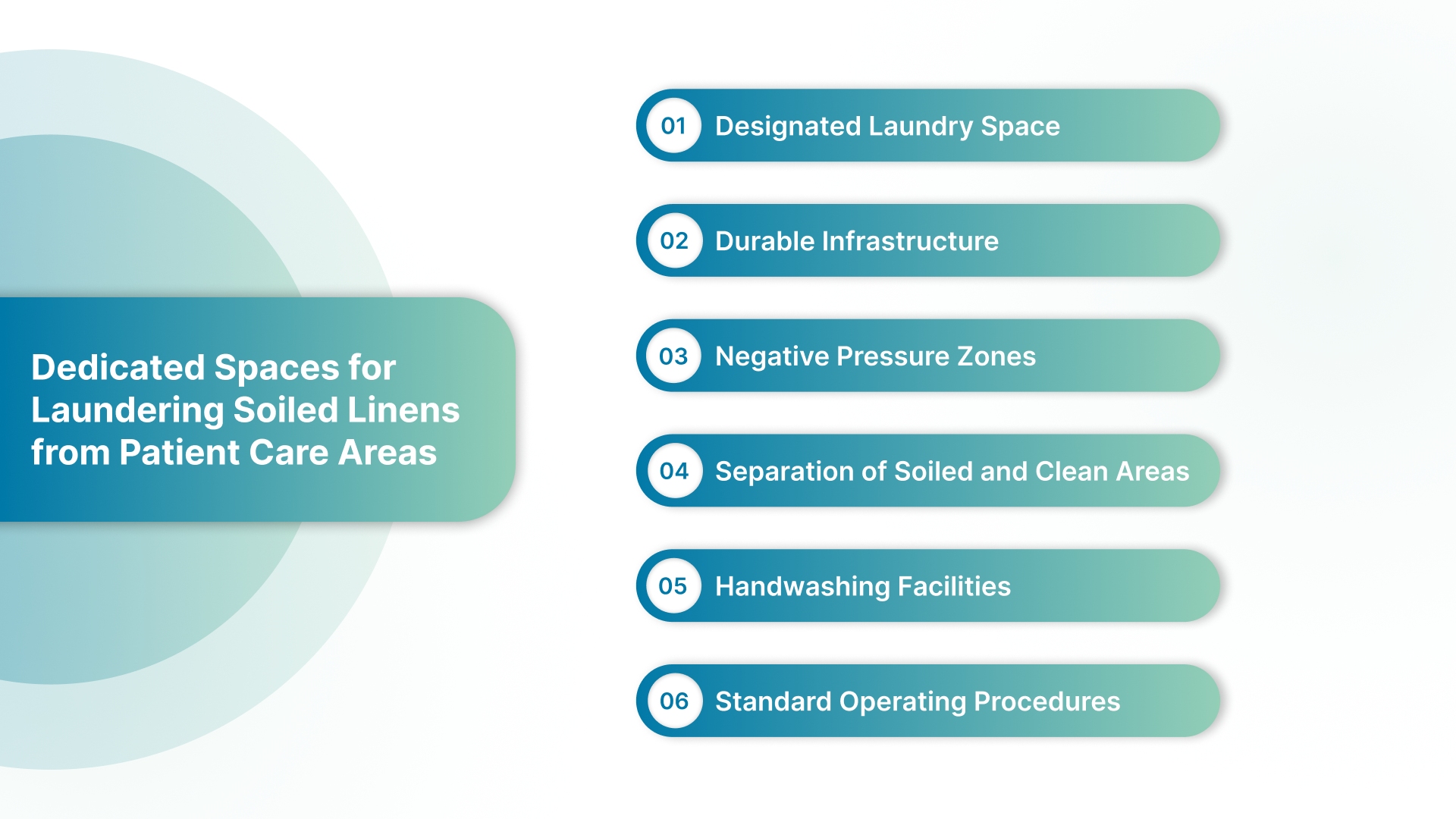
Designated Laundry Space
Keep laundry areas exclusive to handling soiled linens, ensuring no food or personal items are stored in the same space. This minimizes contamination and maintains a sanitary environment.
Steps:
Set up clear physical boundaries to separate clean and soiled linen storage.
Label storage areas to ensure linens are placed in the appropriate location.
Use sealed containers for handling soiled linens before laundering to avoid spillage.
Durable Infrastructure
Floors and walls must be made of water-resistant materials to withstand frequent exposure to water and steam, ensuring the area remains safe and functional in high-volume healthcare laundries.
Steps:
Install epoxy-coated floors and stainless steel walls that are easy to clean.
Ensure all surfaces are non-porous to prevent bacterial growth and water absorption.
Perform regular maintenance checks to ensure the surfaces remain intact and durable.
Negative Pressure Zones
Designate areas with negative air pressure to prevent airborne contaminants from spreading into other parts of the facility, ensuring infection control is maintained.
Steps:
Set up ventilation systems that allow air to flow into the laundry room but not out.
Test air pressure regularly to ensure the correct air balance is maintained.
Install sealed doors or entryways to prevent air leakage and ensure complete isolation.
Check out this success story on how Crown Healthcare successfully optimized its laundry operations with Softrol's Laundry Rail System installation.
Separation of Soiled and Clean Areas
Implement clear physical separation between soiled and clean linen storage to avoid contamination risks.
Steps:
Use physical barriers like walls or curtains to separate the two areas.
Clearly label areas to avoid confusion and ensure compliance with hygiene protocols.
Ensure clean linen storage is always well-ventilated and sanitized regularly.
Handwashing Facilities
Ensure easy access to handwashing stations for staff to reduce the risk of contamination between soiled linens and clean linens.
Steps:
Install convenient handwashing stations near the soiled linen area.
Provide adequate supplies (soap, paper towels, etc.) to encourage hand hygiene.
Ensure staff compliance by incorporating hand hygiene protocols into daily routines.
Standard Operating Procedures (SOPs)
Develop and implement SOPs for handling, washing, and storing soiled linens to ensure compliance with health regulations and consistent operational standards.
Steps:
Draft clear SOPs that outline each step in the process, from receiving soiled linens to storage.
Regularly review and update SOPs based on changes in regulations and laundry operations.
Provide training for all staff to ensure they understand and follow established procedures.
Also Read: LOIS: Taking Your Plant Productivity to the Next Level
Proper space management is only one part; the manual reprocessing steps for heavily soiled linens must also be well-executed for effective sanitation.
3 Manual Reprocessing Steps for Heavily Soiled Linens in Healthcare Laundries
In hospital laundries, linens that are heavily contaminated require additional attention to meet healthcare hygiene standards and quality benchmarks. Here are the essential steps to follow for manual reprocessing, focusing on both cleanliness and cost-efficiency.
1. Immerse in Detergent Solution
For heavily soiled linens, such as hospital bedding or workwear, soaking in a detergent solution is critical for breaking down stubborn stains. This step is essential to ensure that all soils are removed before the wash cycle begins.
2. Disinfecting Methods
Disinfection is essential, especially for hospital linens or uniforms that have been exposed to harmful bacteria or pathogens. Use boiling water or disinfectant solutions to sanitize linens and eliminate any residual contaminants, ensuring they meet healthcare hygiene standards.
3. Allow to Dry Fully
Proper drying is crucial to prevent the growth of bacteria and mold. Commercial dryers or air drying are both viable options, depending on the fabric type and operational capacity. This step ensures that all moisture is removed, maintaining the strength and quality of the linen.
Bottlenecks in material flow can significantly affect laundry operations, leading to overtime and unbalanced manual workloads. Softrol’s Total Plant Integrated Data Solutions, including PulseNet Production System (PPS) and LOIS, offer real-time insights into material flow, enabling proactive identification of bottlenecks before they cause delays.
Once linens are processed, securing the right certifications for linen management is essential for compliance with healthcare standards and regulations.
List of Certifications Required for Linen Management in Healthcare
Healthcare facilities must comply with several key certifications to ensure proper linen management, maintain quality, safety, and hygiene standards. The following table outlines essential certifications for healthcare linen management, including their purpose, scope of application, and impact on operations.
Certification | Purpose | Scope of Application | Impact on Operations | Compliance Requirements |
ISO 9001 | Ensures adherence to quality management standards in laundry operations. | Hospital laundries, uniform rental services | Improves consistency in operations, quality control, and customer satisfaction. | Annual audits and process documentation required. |
CDC Infection Control Standards | Complies with health regulations for sanitizing linens and preventing cross-contamination. | Healthcare settings, hospitals | Reduces infection risks, ensures safe linen handling, and maintains patient safety. | Must adhere to disinfection protocols and infection control guidelines. |
EPA Registration | Approves disinfectants used in the laundry process, ensuring safety. | Healthcare laundries, institutional laundries | Guarantees the safe use of approved disinfectants, reducing chemical risk. | Requires disinfectant efficacy testing and tracking chemical use. |
GMP Certification | Ensures good manufacturing practices in the cleaning process for hospital linens. | Healthcare facilities, medical linen services | Ensures linens meet sterility and hygiene standards, ensuring patient safety and regulatory compliance. | Must document cleaning processes, staff training, and cleaning materials used. |
OSHA Compliance | Ensures staff safety in laundry operations and handling of hazardous materials. | Laundry staff, healthcare personnel | Protects employees from hazardous materials, reduces workplace injuries, and promotes a safe environment. | Requires PPE protocols, safety training, and regular inspections. |
Also Read: 4 Autosort Myths Debunked
Achieving compliance also means implementing best practices for managing clean linen, ensuring they are stored and distributed according to healthcare standards.
3 Best Practices for Managing Clean Linen in Healthcare
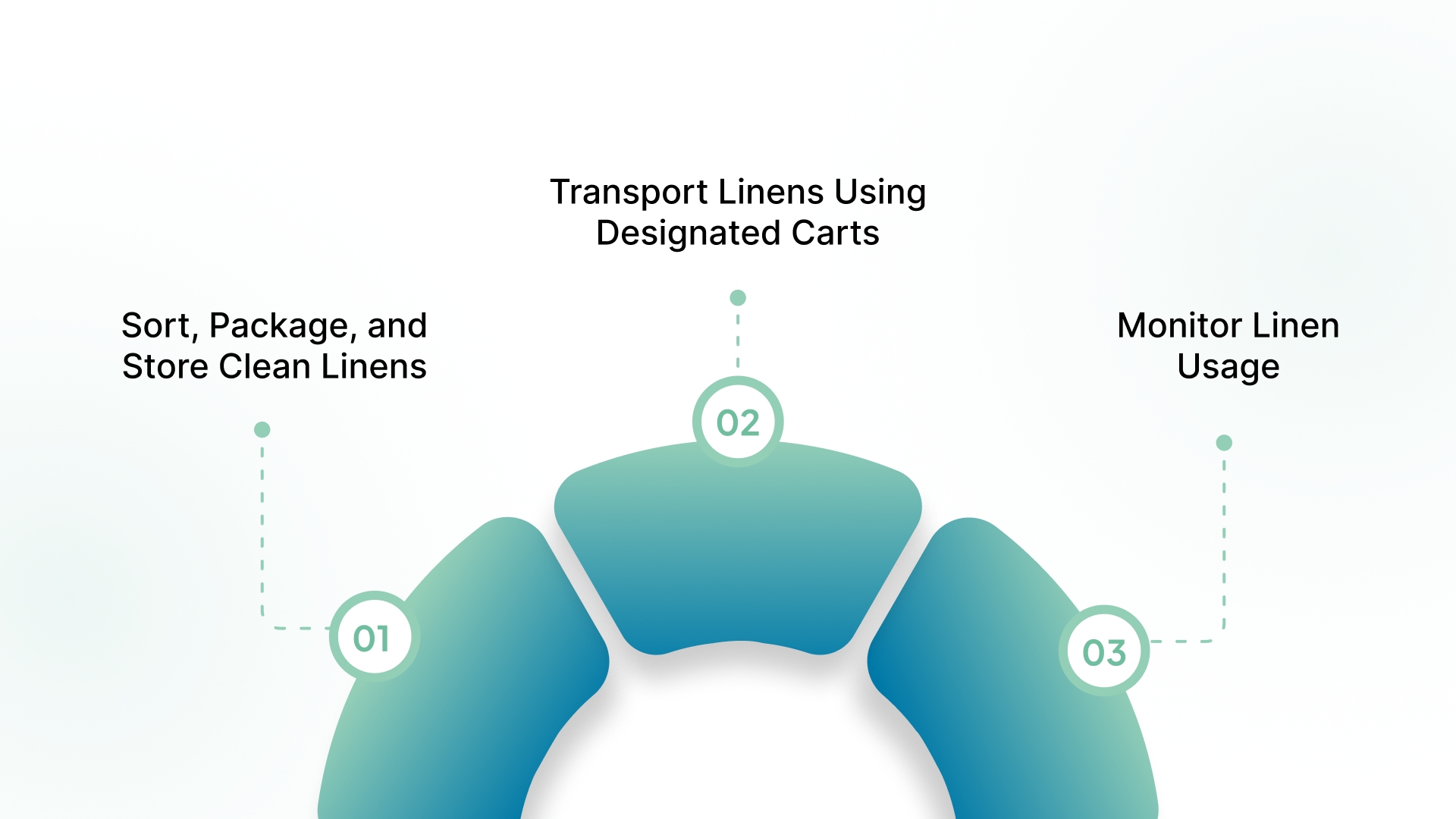
The following best practices will ensure that clean linens are kept free from contamination and are available for use when needed.
Sort, Package, and Store Clean Linens
Make sure linens are sorted and stored in clean, designated rooms to maintain sanitary conditions.
Pro Tips:
Ensure hand hygiene is performed before and after handling clean linens.
Wear tear-resistant gloves to prevent contamination from external sources.
Use protective gowns or aprons to prevent accidental spills or contamination from outside sources.
Watch this video to discover how Softrol's Wash Aisle Controls, the core of our Total Plant Management program, enhance operational efficiency and quality.
Transport Linens Using Designated Carts
Use sanitized carts to transport clean linens to patient care areas, ensuring they stay protected during transit.
Pro Tips:
Use designated, clean carts for transporting linens to prevent cross-contamination.
Sanitize carts daily with a neutral detergent solution to ensure linens remain free from contaminants.
Wear gloves when handling the cart or linens to prevent contamination.
Monitor Linen Usage
Regularly track linen stock and rotate inventory to ensure linens are properly managed, reducing waste and maintaining cost-efficiency.
Pro Tips:
Implement real-time tracking of linens with RFID tags or barcodes to prevent mismanagement.
Regularly check linen quality and rotation to ensure linens meet standards.
Use digital tools to track stock levels and reduce waste.
Ensure staff follow proper linen handling protocols during inventory management to maintain consistency and quality.
Also Read: Manage Shipping and Routing with Softrol
In addition to following these practices, Softrol’s integrated solutions can provide the advanced control and data systems needed to maximize linen throughput in healthcare operations.
How Can Softrol’s Integrated Solutions Maximize Linen Throughput in Healthcare
Softrol offers integrated solutions that are tailored to the unique challenges of healthcare laundries, where managing high linen volumes and ensuring infection control are important. By utilizing Softrol’s automation, process control, and data-driven systems, healthcare facilities can enhance throughput, maintain stringent quality standards, and optimize labor costs.
Here are the key solutions Softrol offers to optimize your laundry operations.
1. Material Handling Solutions
Softrol’s material handling solutions automate the movement of linens from soiled storage to wash aisles and finishing areas, reducing manual labor and enhancing throughput. Optimizing the flow of soiled and clean linens is essential for maintaining operational efficiency in healthcare laundries.
Soil Sort Systems: Automate the sorting of soiled linens based on fabric type, wash classification, and customer specifications.
Laundry Rail Systems: Streamline linen transport using RFID-tagged trolleys, ensuring linens are moved to washing and drying areas.
Garment Sort Systems: Accurately sort and track linens for fast delivery, reducing sorting errors and ensuring the right linens reach the right departments.
2. Process Control Solutions
Softrol’s wash aisle systems and chemical systems ensure consistent wash quality, chemical usage, and minimized rewash rates, improving both productivity and cost-efficiency while maintaining hygiene standards in healthcare laundry operations.
Wash Aisle Systems: Control temperature, chemical dosage, and wash cycles for consistent cleaning of patient care linens.
Catalyst Chemical Systems: Automate chemical dosing to ensure precise application of detergents and disinfectants, reducing waste and enhancing cleanliness.
Real-Time Monitoring: Utilize integrated software to monitor wash quality and ensure that all linens meet healthcare sanitation standards.
3. Total Plant Integrated Data & Software
Softrol’s integrated data systems provide real-time insights into laundry performance and quality control across the plant. This enables plant managers and IT analysts to make informed decisions that enhance productivity, reduce downtime, and ensure service level compliance.
PulseNet Production System (PPS): Track throughput and labor costs in real-time, allowing you to optimize staffing levels and identify bottlenecks.
Management Information Systems: Aggregate data from material handling, wash processes, and shipping to provide detailed performance reports.
LOIS (Laundry Operations Information System): Gain remote access to plant data, enabling quick issue resolution and better performance tracking across multiple locations.
Discover detailed brochures on Softrol’s advanced automation solutions to enhance productivity and profitability.
Conclusion
With proper linen management, you're not just meeting quality standards; you're boosting productivity, lowering scrap rates, and ensuring both patient safety and customer satisfaction across the board. If you're looking to improve your wash cycles, streamline material handling, or ensure compliance with health standards, adopting these practices will keep your operations running smoothly and costs in check. x
Softrol delivers integrated solutions to address the unique challenges of linen management in healthcare settings. Our Material Handling Solutions, such as soil sort systems and laundry rail systems, automate linen flow, reduce manual labor, and improve throughput. Our Process Control Solutions, including wash aisle systems and catalyst chemical systems, ensure consistent wash quality and reduce rewash rates, enhancing hygiene standards.
Contact us to see how Softrol can help automate your healthcare laundry operations.
FAQs
How can I reduce linen rewash rates in my healthcare laundry operations?
By optimizing wash cycle settings, ensuring proper chemical dosing, and regularly training staff on best practices, you can reduce rewash rates, leading to improved pounds-per-labor-hour and cost efficiency.
What’s the best way to manage linen inventory and prevent shortages in healthcare facilities?
Implement a real-time tracking system using RFID tags or barcodes, enabling inventory management to maintain optimal stock levels and reduce waste.
How do I ensure compliance with infection control standards in healthcare laundry operations?
Use hospital-grade disinfectants, ensure proper disinfection cycles, and separate soiled and clean linen areas to comply with CDC infection control standards, ensuring patient safety and reducing contamination risks.
What KPIs should I focus on to measure the success of my linen management program?
Track pounds-per-labor-hour, energy consumption per load, wash cycle effectiveness, and inventory turnover rates to assess quality and cost control within your laundry operations.
How can I improve linen handling efficiency without compromising quality in high-volume healthcare laundries?
Implement automated sorting systems, upgrade to energy-efficient washers and dryers, and streamline material handling to reduce manual labor and improve throughput while maintaining high-quality standards.