What are the CDC guidelines for laundry?
CDC guidelines for healthcare laundry require proper handling of contaminated textiles to prevent transmission of infectious agents. Key requirements include: separating soiled from clean items, using appropriate wash temperatures (minimum 160°F for hot water or approved low-temperature alternatives with chemical disinfection), maintaining proper chemical concentrations, ensuring adequate wash cycle times, preventing contamination during transport and storage, and documenting all critical control points. Our automated systems verify compliance with these guidelines at every step.
What are the OSHA guidelines for handling contaminated laundry?
OSHA's Bloodborne Pathogens Standard requires healthcare facilities to handle contaminated laundry with minimal agitation to prevent airborne contamination, bag or containerize items at the location where they're used, mark bags or containers appropriately, wear protective equipment when handling contaminated textiles, and ensure laundry workers are trained in proper handling procedures. Our tracking systems document proper handling protocols and maintain chain-of-custody records throughout the entire processing cycle.
How do you ensure compliance with infection control?
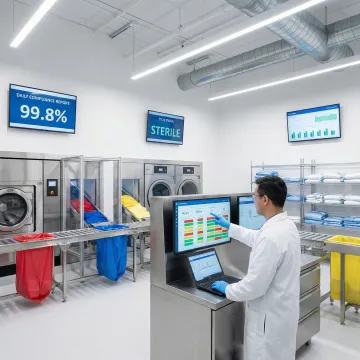
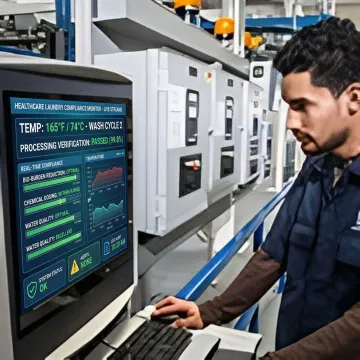
We ensure compliance through automated monitoring systems that continuously track critical control points including wash temperatures, chemical concentrations, cycle times, and item processing. Our RFID tracking technology maintains complete chain-of-custody documentation, while our LOIS system provides real-time alerts for any deviations from established protocols. All data is automatically captured, timestamped, and stored for regulatory audits, eliminating manual documentation errors and providing comprehensive verification of infection control procedures.
What are the 5 F's of infection control?
The 5 F's of infection control are: Fluids (body fluids and contaminated liquids), Food (proper handling and prevention of contamination), Fomites (inanimate objects that can harbor pathogens, including linens), Fingers (hand hygiene and proper handling techniques), and Flies (vectors and pests). In healthcare laundry, proper textile processing addresses the Fomites component by ensuring contaminated linens are properly disinfected and preventing cross-contamination throughout the processing cycle.
What are the three main areas of healthcare compliance?
The three main areas of healthcare compliance are: Regulatory Compliance (meeting requirements from agencies like CDC, OSHA, CMS, and Joint Commission), Patient Safety and Quality of Care (maintaining standards that protect patient health and prevent healthcare-acquired infections), and Operational Compliance (following internal policies, industry best practices, and documentation requirements). Our compliance tracking systems address all three areas by providing automated verification, comprehensive documentation, and real-time monitoring of infection control processes.
What are the duties of laundry in hospital?
Hospital laundry operations are responsible for providing a continuous supply of clean, properly disinfected textiles while preventing the spread of healthcare-acquired infections. Key duties include: receiving and sorting contaminated textiles safely, processing items according to infection control protocols, verifying proper wash temperatures and chemical concentrations, maintaining separation of clean and soiled items, tracking textile inventory, documenting compliance with regulatory requirements, and ensuring timely delivery of clean items to patient care areas.
How does RFID tracking improve infection control compliance?
RFID tracking provides complete visibility and documentation of each textile item throughout its processing cycle, ensuring items are properly washed, disinfected, and delivered without risk of cross-contamination. The technology automatically captures when items enter the facility, which processing protocols they receive, verification that proper disinfection occurred, and final delivery location—creating an auditable chain of custody that proves compliance with infection control standards.
Can your systems integrate with our existing hospital information systems?
Yes, our compliance tracking systems are designed to integrate with existing healthcare IT infrastructure including hospital information systems, inventory management platforms, and quality assurance databases. We work with your IT team to ensure seamless data exchange and can customize reporting formats to match your documentation requirements, making compliance data easily accessible across your organization.