Introduction
Linen replacement represents one of the most significant and poorly controlled operational expenses in industrial laundries, healthcare facilities, and hospitality operations. Industry data reveals that merchandise expenditures can consume up to 25% of a textile service's total annual budget, making it one of the largest cost centers alongside labor and energy.
For hotels, the financial drain is direct: luxury properties routinely lose 20-30% of their linen inventory annually, with replacement costs exceeding $50,000 per property per year.
Healthcare facilities face even sharper losses. Nearly 90% of healthcare linen fails to reach its useful life, and 75% of replacement costs trace back to theft, transfers, and unexplained loss — not actual wear and tear.
Most facilities lose 15-25% of their linen inventory annually to preventable causes. Some replacement is inevitable, but the majority of costs stem from poor visibility, inadequate tracking, and reactive management — all of which force facilities to carry excess inventory as a buffer against uncertainty.
This article breaks down how smart tracking technology, particularly RFID systems, addresses those root causes — and gives you a practical framework for cutting replacement costs without sacrificing service levels.
Key Takeaways
- Linen replacement eats up ~25% of textile service budgets — mostly due to theft, misallocation, and poor visibility, not normal wear
- Smart tracking technology reduces replacement costs by 20-40% through precise inventory control, usage monitoring, and theft prevention
- RFID systems deliver ROI within 12-24 months through shrinkage reduction of up to 50% and labor savings from automated counting
- Technology alone isn't enough — process changes and staff training determine how much cost reduction you actually see
How Costs Around Linen Replacement Typically Build Up
Linen replacement costs build up through loss pathways that stay invisible until they become expensive problems. The primary culprits: theft and misplacement, premature wear from over-processing, departmental hoarding, and delayed shortage detection that forces emergency purchases at premium prices.
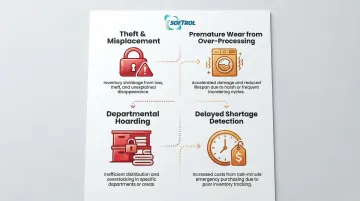
Without automated tracking, managers can't distinguish linens that genuinely wore out from those that disappeared through theft or process failures. That blind spot makes it impossible to identify loss patterns, right-size inventory, or hold departments accountable.
Cost build-up follows three distinct patterns:
Gradual Accumulation
Normal wear and tear drives steady replacement as linens complete their expected lifecycle. The problem is that industrial washing conditions can reduce cotton fabric tensile strength by more than 80% after just ten chlorine-based washings — accelerating replacement timelines far beyond what most operations budget for.
Episodic Spikes
Sharp, unpredictable losses occur during theft surges, seasonal demand peaks, or staff turnover — any period when accountability systems weaken. Hotels, for instance, consistently see higher loss rates during peak occupancy when temporary staff handle linen.
Event-Triggered Costs
Operational changes create their own cost exposure. Facility expansions, new department openings, and laundry contract transitions all carry risk when inventory tracking systems aren't updated to match — handoff failures during these windows can wipe out weeks of careful inventory management.
Key Cost Drivers for Linen Replacement
Most linen replacement budgets absorb losses that were entirely preventable — once you know where to look.
Shrinkage: The Largest Hidden Cost
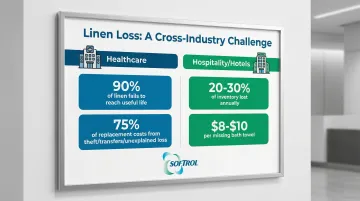
The industry term "shrinkage" describes linens that disappear from circulation through theft, loss in transport, accidental disposal with waste, or departmental hoarding. Research shows that 75% of healthcare linen replacement costs stem from theft, ambulance transfers, and unexplained loss rather than linens reaching their natural end-of-life.
For hotels, the problem is equally severe. Properties routinely lose 20-30% of total inventory annually, with each missing bath towel costing $8-$10 to replace. When multiplied across thousands of items, these losses create massive financial drains.
Lack of Visibility and Tracking
Facilities that rely on manual counts or periodic audits cannot identify loss patterns in real-time, optimize par levels based on actual usage data, or hold departments accountable for consumption. Without item-level tracking, managers can't answer basic questions:
- Where did this linen go?
- Which department last handled it?
- How many wash cycles has it completed?
This visibility gap forces reactive decisions. When shortages appear, facilities panic-buy inventory at premium prices rather than addressing the root causes of loss.
Over-Processing and Accelerated Wear
Linens washed more frequently than necessary or processed at incorrect temperatures wear out 30-50% faster than properly managed items. Optimizing wash chemistry can generate savings of up to 20% in textile replacement costs by extending product life through gentler but equally effective processing.
Excessive mechanical action, harsh chemicals, and high drying temperatures all contribute to premature fiber breakdown. Many facilities unknowingly over-process linens because they lack data on actual soil levels and wash cycle counts per item.
Reactive Replacement Strategies
Ordering only when shortages occur leads to several cost penalties:
- Emergency purchases at higher unit costs compared to contract pricing
- Rush shipping fees that inflate per-item expenses
- Lost bulk purchasing discounts available through planned procurement
- Inability to negotiate favorable terms with suppliers
Poor Quality Control and Lifecycle Tracking
Facilities that don't verify new linen counts at receiving or accept damaged goods without dispute pay for inventory they never actually received in usable condition. Without lifecycle tracking that counts wash cycles per item, managers cannot distinguish linens that have reached genuine end-of-life from those that disappeared prematurely through theft or loss.
Cost-Reduction Strategies for Linen Replacement
Effective cost reduction requires addressing three distinct areas: decision-making (what to buy and how much to stock), operational management (how to track and control), and systemic factors (facility design and technology infrastructure).
Strategies That Reduce Costs by Changing Decisions
Implement Data-Driven Par Level Optimization
Calculating par levels from actual usage data—rather than industry averages—typically reduces inventory carrying costs by 15-25% while maintaining service levels. A 300-bed hospital can realize a total financial upside of $325,000-$700,000 per year through loss reduction and par level compression enabled by accurate tracking data.
That figure compounds quickly. Facilities running leaner, data-driven inventories also cut the labor hours spent managing bloated stock—freeing staff for higher-value tasks.
Select RFID-Compatible Linens from the Start
Choosing textiles designed for RFID tag durability—with proper tag placement and reinforced stitching—reduces tag replacement costs and extends tracking system ROI over the linen's lifetime. Tags embedded in poorly designed locations fail prematurely, requiring costly retagging that undermines system economics.
Establish Quality-Based Purchasing Criteria
Investing in higher-quality linens with 20-30% higher upfront costs can reduce replacement frequency and total cost of ownership over a 2-3 year period. Reusable linens can achieve emissions parity with disposables after just 12 reuses, with manufacturer specifications for high-quality items often citing lifespans of 300 uses—significantly diluting acquisition costs over time.
A linen priced 25% higher but lasting twice as long costs less per use. Total cost of ownership, not purchase price, is the right metric.
Design Replacement Policies Based on Usage Cycles
Tracking systems that count actual wash cycles per item enable "condition-based replacement" that can extend linen life by 15-20% compared to calendar-based replacement schedules. Instead of retiring all linens after 12 months regardless of condition, facilities replace only items that have actually degraded through documented usage.
Strategies That Reduce Costs by Changing How Linen Is Managed
Deploy RFID or Barcode Tracking for Real-Time Inventory Visibility
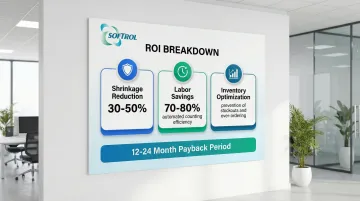
Smart tracking systems deliver rapid ROI through multiple cost reduction mechanisms. Facilities typically achieve payback within 12-24 months, with savings covering approximately 70% of RFID costs by the second year.
The cost reductions come from:
- Shrinkage reduction of 30-50%: Hotels using RFID have reduced linen losses by up to 50%
- Labor savings of 70-80%: Automated counting eliminates manual inventory processes
- Optimized inventory levels: Real-time visibility prevents both stockouts and over-ordering
Softrol's SofTrak RFID garment tracking system delivers this kind of item-level visibility for industrial laundries—tracking each piece through its full lifecycle, monitoring wash counts, and integrating with purchasing modules to automate reorder decisions.
Implement Automated Reorder Triggers and Predictive Analytics
Tracking systems that monitor usage patterns and predict replacement needs prevent both stockouts and over-ordering. Operations typically reduce emergency purchases by 60-80% when forecasting from actual consumption data rather than guesswork.
Automated reorder triggers ensure inventory replenishment happens at optimal times with sufficient lead time to secure contract pricing and bulk discounts.
Establish Departmental Accountability Through Usage Reporting
Providing departments with usage reports and charge-back systems reduces over-consumption by 20-35%. When a department sees it's responsible for $4,000 in unaccounted losses last quarter, purchasing habits shift fast.
RFID systems enable accurate billing for lost items with time-stamped scan data that eliminates disputes. As one operator noted, "If a hotel questions what they got back, the data speaks for itself"—creating accountability that was impossible with manual tracking.
Create Exception-Based Monitoring for Loss Prevention
Smart tracking systems that flag unusual patterns enable targeted intervention rather than facility-wide policies that burden all departments. Exception alerts identify:
- Linens leaving the facility through unauthorized exits
- Items spending extended time in a single location (indicating hoarding)
- Products not returning from specific routes or departments
- Abnormal consumption patterns that suggest theft or misuse
Blanket restrictions penalize compliant departments alongside problem ones. Exception-based monitoring directs attention only where it's needed.
Strategies That Reduce Costs by Changing the Context Around Linen
Optimize Facility Workflows to Prevent Loss Points
Analyzing tracking data to identify where linens most frequently disappear—patient discharge areas, housekeeping cart transitions, laundry transport routes—allows targeted process improvements that can reduce loss by 15-25%. Simple workflow changes like implementing secure handoff protocols at identified loss points often deliver significant results without technology investment.
Integrate Tracking Systems with Laundry Management Platforms
Connecting RFID tracking data with laundry management systems surfaces insights into wash quality, processing efficiency, and equipment performance that directly affect linen life. Softrol's LOIS (Laundry Operation Information System) complements tracking by monitoring plant functions in real time, sending alerts for critical events, and providing remote access to performance metrics from any device.
This integration reveals connections between processing conditions and linen lifespan, enabling adjustments that reduce premature wear. RFID technology has increased turnover per hour worked by 8-10% through efficient workflows driven by automated data capture.
Design Physical Infrastructure That Supports Tracking
Installing RFID readers at key transition points creates an automated chain of custody that requires minimal staff effort while providing complete visibility:
- Soiled linen rooms: Bulk detection of incoming items eliminates manual counting of contaminated textiles
- Clean linen storage: Real-time inventory monitoring prevents hoarding and stockouts
- Department distribution points: Verification of outgoing orders ensures accurate billing
- Loading docks: Tracking movement in and out prevents theft during transport
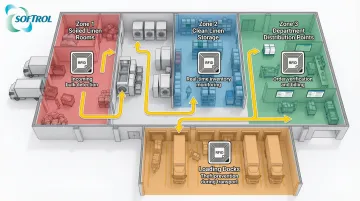
Strategic reader placement enables reading bulk quantities in a single pass—a critical advantage of UHF RFID over barcode systems that require line-of-sight for every item.
Establish Vendor Accountability for Linen Quality and Count Accuracy
Tracking systems that verify incoming linen counts and flag quality issues at receiving reduce disputes with suppliers and prevent paying for linens never received or received damaged. Automated receiving processes document exactly what arrived, in what condition, creating an indisputable record that protects facilities from supplier errors or fraud.
Conclusion
Reducing linen replacement costs depends on identifying where loss originates—shrinkage, over-processing, poor visibility, and reactive purchasing—rather than simply buying cheaper linens or cutting inventory, approaches that often backfire by creating service failures.
Smart tracking technology is not a standalone solution but an enabler of strategic cost reduction. Achieving 20-40% reductions in replacement costs requires more than the right system. Facilities that hit those numbers combine technology with:
- Structured process changes that close the gaps tracking data reveals
- Staff training so accountability is consistent across shifts
- Decisions grounded in actual usage data, not historical assumptions
The facilities that succeed treat tracking systems as platforms for operational change, not just inventory tools.
Effective linen cost management is an ongoing process. Facilities should regularly review tracking data, adjust par levels based on actual usage patterns, and refine workflows as new insights surface. When every item is visible and accountable from procurement through end-of-life, replacement costs stop being a guessing game—and start being a number you control.
Frequently Asked Questions
How to do linen inventory with tracking technology?
Modern RFID systems automate inventory counts by reading all tagged items in a room within seconds, eliminating manual counting. Bulk readers can scan entire carts or storage areas simultaneously, delivering real-time accuracy that cuts labor requirements significantly compared to manual methods.
What is linen management in healthcare facilities?
Linen management covers the full lifecycle of textiles — from procurement through distribution, cleaning, and replacement. Healthcare operations require stricter hygiene protocols than most industries, and tracking systems enforce proper handling procedures while preventing cross-contamination.
How can smart tracking reduce linen material costs?
Tracking systems cut material costs in three direct ways:
- Prevent shrinkage losses (typically 20-30% reduction)
- Extend useful linen life by 15-20% through condition-based retirement
- Enable bulk purchasing via predictive reordering instead of costly emergency buys
What is the ROI timeline for RFID linen tracking systems?
Most facilities achieve payback within 12-24 months through reduced shrinkage, labor savings from automated counting, and optimized inventory levels. Ongoing annual savings typically reach 15-30% of previous replacement costs, with some operations reporting even higher returns.
How does RFID tracking prevent linen theft and loss?
RFID readers at exit points alert staff when tagged linens leave the facility. Usage reports flag departments with abnormal consumption patterns, and automated chain-of-custody records make items nearly impossible to lose without detection — creating accountability that deters theft at the source.
What are the key features to look for in a linen tracking system?
Look for these capabilities when evaluating a linen tracking system:
- Item-level tracking with bulk reading for fast inventory counts
- Integration with existing laundry management software
- Automated reporting and exception alerts
- Tag durability rated for 300+ industrial wash cycles
- Scalability to handle growing facility needs