
Ever feel your sort area slows down the whole plant? One stalled batch can disrupt the wash aisle, extend shifts, and raise pressure across the day.
Many plant managers know this problem because sorting mistakes, missing items, and manual counts affect throughput and labor hours during high-demand periods. With the laundry software market projected to reach USD 6.15 billion by 2033, more operators are adopting systems that support steadier production.
In this blog, we’ll explore why high-volume laundries need software, which core features matter most, which advanced capabilities support industrial operations, how these features affect KPIs, and how to select the right vendor.
Key Takeaways:
High-volume laundries rely on software to keep sorting, washing, and shipping on schedule.
Core features include tracking, labor monitoring, workflow control, and customer rules management.
Advanced tools support multi-site visibility, automation links, maintenance alerts, and mobile access.
These features influence KPIs such as throughput stability, labor hours, quality rates, and order accuracy.
Successful adoption requires careful vendor selection, planning, training, and review of existing equipment.
Why High-Volume Laundries Need Software
High-volume laundries deal with constant pressure as sort areas, wash aisles, and shipping teams depend on accurate information to keep production on schedule. Plants running mixed equipment, varied customer rules, and tight delivery windows need tools that support predictable flow and reduce the daily chaos created by manual processes.
Here are the core pressures that push medium and large plants toward laundry management software:
Sorting and Classification Load: Manual sorting creates delays because each operator must identify items quickly while managing irregular loads and customer-specific requirements that change throughout the shift.
Labor Cost Control Across Workstations: Plants handling high volumes need visibility into how labor hours convert into throughput so managers can adjust tasks before idle time or overtime builds.
Asset Tracking for Linens and Uniforms: Linen and garment losses drive avoidable spend, so plants need better item visibility to understand movement, status, and replacement triggers across the entire cycle.
Quality and Rewash Pressure: Inconsistent processes raise rewash counts, which reduce available production time and push other departments behind schedule during high-demand periods.
Multi-Site Reporting Expectations: Groups running several plants need aligned data so leaders can compare performance, assign resources, and support locations that face volume spikes or staffing shortages.
Customer Delivery and Order Accuracy: Service agreements demand predictable turnaround, so plants need tools that support reliable counts, cleaner records, and fewer errors during order building.
Once you understand the pressures high-volume plants face, you can review the core software features that support plant managers' daily decisions.
If you want steadier volume through better sorting control, explore how Softrol systems support stronger routing, tracking, and plant-wide coordination.
Essential Laundry Software Features for Large Plants
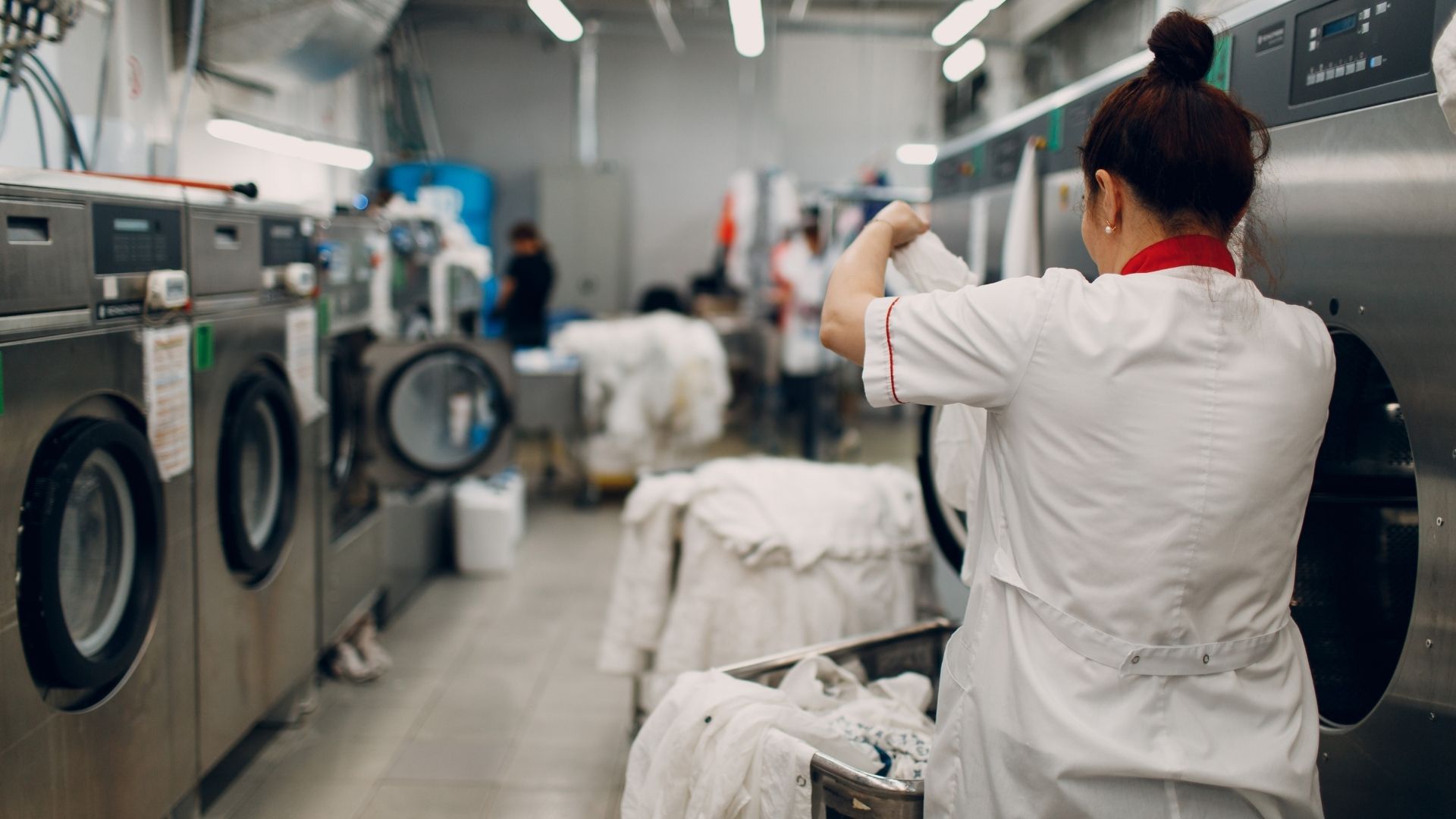
High-volume laundries need software that supports daily decisions across sorting, production, finishing, and shipping because manual processes cannot keep up with rising volume demands. These features help plants maintain predictable flow even when labor levels, order patterns, or incoming loads shift throughout the day.
Here are the core operational features most plants look for:
Workflow and Batch Control: Software can guide batch movement through each step so production leaders always know where work sits and which areas need attention.
Inventory and Asset Tracking: Item movement across soil, wash, finishing, and shipping is recorded so managers understand shortages, replacement patterns, and overall asset status.
Order and Customer Management: Customer rules, schedules, and item requirements are kept in one place so staff follow consistent steps during sorting, washing, and order building.
Quality and Rewash Tracking: Quality notes, rejected items, and flagged loads are logged so plants can review patterns and identify where quality issues often begin.
Labor and Productivity Monitoring: Task data is captured at workstations so leaders can review operator pacing, shift performance, and where staffing changes may support smoother flow.
Once the essentials are clear, you can look at advanced functions that support large commercial and industrial laundries with mixed equipment setups.
Also Read: What Features Make Softrol Rail Better?
Advanced Features Built for Commercial Laundry Sites
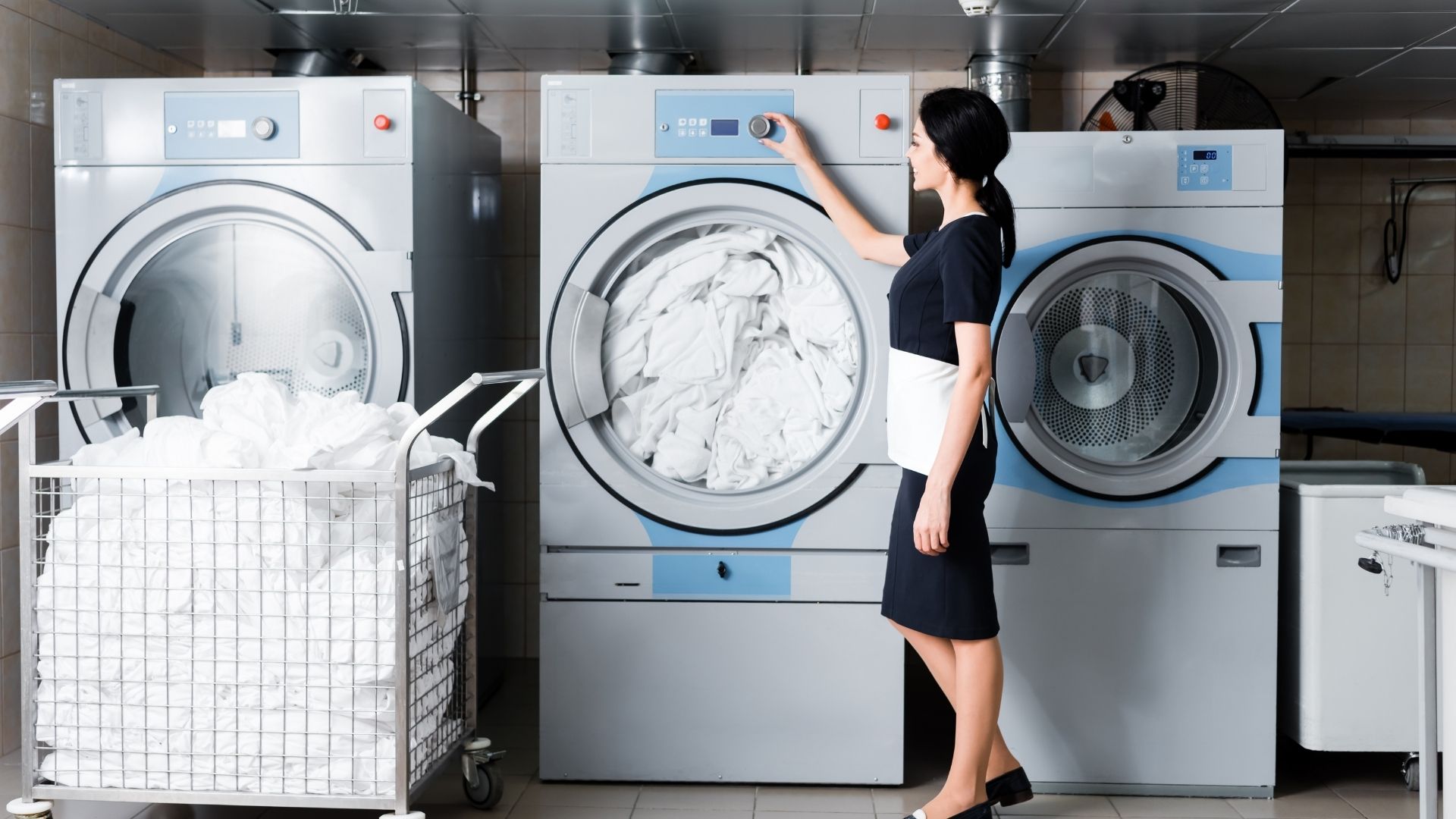
Larger plants often need tools that support higher volumes, mixed equipment, and complex schedules because core features alone cannot manage continuous production pressure. These capabilities help teams handle peak periods, unpredictable incoming loads, and multi-department coordination across long operating hours.
Here are the advanced capabilities that matter most for industrial operations:
Multi-Site Data Visibility: Leaders can review performance across several plants with shared dashboards so they understand trends, resource needs, and areas requiring quick attention.
Material Handling Connections: Software can exchange status updates with automated movement systems so managers see load positions, stalled points, and production flow across the plant.
Chemical and Wash Control Links: Wash aisle settings and chemical actions can be monitored together, so teams maintain steady quality and reduce issues tied to inconsistent formulas.
Predictive Maintenance Signals: Alerts tied to equipment behavior help staff act before small issues slow production, protecting throughput during busy periods or tight delivery schedules.
Mobile Access for Floor Teams: Supervisors and operators can view tasks, notes, and alerts from tablets or terminals so information reaches the right person without delays.
As you consider these advanced capabilities, you may want clarity on how each feature influences the KPIs your operations leaders monitor daily.
Also Read: Softrol Systems: Providing a Total Plant Management Solution
How Laundry Software Features Affect Plant KPIs
Plant leaders rely on clear data because production issues often spread across departments, making it difficult to understand which steps affect throughput or labor hours. Software features help teams link daily actions to measurable outcomes, giving managers clearer insight into what strengthens performance and where attention is required.
Here are the key KPIs and the features that support them:
KPI | Software Features That Support It |
Throughput Stability | Workflow control, batch routing, and production tracking that guide items through each stage without unnecessary delays. |
Labor Hours per Unit | Labor monitoring and workstation data that help leaders adjust staffing before slow periods create overtime issues. |
Rewash and Reject Rate | Quality tracking tools that record issues early so teams understand patterns and prevent repeat mistakes. |
Asset Replacement Spend | Inventory and item tracking that show movement, losses, and lifecycle patterns across soil, wash, finishing, and shipping. |
Order Accuracy | Customer and order management features that keep schedules, counts, and item requirements clear for every shift. |
Lead-Time Stability | Multi-site and production dashboards that help managers respond quickly when load changes affect shipping windows. |
Once you see how features affect performance, you can shift to choosing the right vendor for your plant, be it textile rental or uniform rental operations.
Also Read: Improve Plant Automation through Softrol's Wash Aisle Controls
Checklist for Choosing a Laundry Software Vendor

Medium and large laundry plants need software that supports their volume, equipment mix, and reporting expectations because every vendor approaches these needs differently. A clear checklist helps decision-makers compare systems based on operational demands rather than surface-level features or general claims.
Here are the points most teams review during vendor evaluations:
Fit for High-Volume Sorting Workflows: Check whether the system supports your sort rules, load types, and customer-specific requirements without creating extra work for the floor staff.
Support for Mixed Equipment and Retrofit Conditions: Confirm the software can connect with existing setups because many plants run older machines that still require dependable control and reporting.
Breadth and Clarity of Production Data: Review the dashboards, reporting depth, and alert options so leaders know if the system gives clear insight across shifts and departments.
Scalability for Multi-Site Groups: Assess whether the platform supports shared reporting and cross-location comparisons needed by managers overseeing several plants.
Labor and Productivity Tracking Strength: See how well the system records operator activity so supervisors can understand pacing, workload, and areas needing immediate attention.
Quality and Rewash Tracking Coverage: Check how the system logs quality notes, flagged items, and process issues so teams can identify patterns affecting production time.
Training, Support, and Long-Term Maintenance: Review the vendor’s ability to train staff, respond quickly, and keep the system working smoothly throughout changing production needs.
Once you understand the selection steps, you can look at how Softrol aligns with requirements seen in commercial and industrial laundries.
Also Read: Save Time and Money with Softrol's Auto-Sort Systems
How Softrol Systems Supports High-Volume Laundry Plants
Softrol Systems supports high-volume laundries that need reliable control of material handling, wash processes, and plant-wide data because daily production depends on predictable movement and clear reporting. The company focuses on the needs of textile rental, uniform rental, hospitality, and healthcare laundries that handle large daily loads.
Here are the core areas where Softrol provides value:
Material Handling Automation: Softrol offers soil sort stations, monorail transport, garment sorting, and virtual rail tools that help plants manage item movement with predictable flow.
Wash and Chemical Control Systems: The company provides wash aisle controls and flow-meter-based chemical systems that support consistent formulas and steady quality across varied production days.
Productivity and Labor Tracking: PPS tools record workstation activity and operator pacing so plant leaders see how labor supports throughput during each shift.
Plant Management and Reporting: Softrol’s plant management software collects data across sorting, washing, material handling, and shipping so leaders can review trends and daily performance.
Shipping and Tracking Tools: The company offers technologies for item tracking, cart building, and manifest generation that help plants manage outgoing orders with better accuracy.
Now that you see Softrol’s role, you can review the steps needed to prepare your plant for a successful software transition.
Do you want to see how other commercial and industrial laundries managed similar challenges? Explore our success stories for direct insights.
Steps and Risks to Review Before Deploying Laundry Software
Plants adopting new software need clear planning because production cannot slow down, and each department depends on accurate information to keep daily work on schedule.
Here are the points most plants review before and during deployment:
Category | What to Review |
Data and Setup |
|
Operator Readiness |
|
Existing Equipment Review |
|
Item Identification and Tagging |
|
Network and Device Access |
|
Reporting and KPI Setup |
|
Change Control and Testing |
|
Shipping and Order Steps |
|
Risk Review and Mitigation |
|
A structured checklist helps managers prepare their teams while avoiding issues that often appear when older equipment, varied workflows, or large volumes add complexity.
Conclusion
Laundry software supports production teams by giving them clearer data, steadier workflows, and stronger control over the steps that influence daily performance. Plants handling large volumes benefit when sorting, washing, finishing, and shipping share the same information, allowing leaders to make faster adjustments during busy periods.
With the right platform, your team gains structure that supports steady output and predictable service for every customer you serve.
If you want support evaluating options for your plant or need guidance selecting the right setup, contact us today!
FAQs
Can laundry software help reduce theft or misplaced linen issues?
Yes. Some systems include tracking tools that trace items through each stage so loss patterns become easier to identify and address.
Do these platforms support seasonal volume swings?
Most systems allow plants to adjust batches or workstation priorities so incoming peaks remain manageable without disrupting daily output.
Can smaller laundries benefit from these tools?
Yes. While large plants gain the most, smaller sites may still find value through clearer order data or better garment visibility.
Are custom reports possible for unique KPIs?
Many vendors offer reporting tools that let users build their own dashboards tailored to the plant’s priorities.
How long does it take for teams to feel confident using new software?
That varies by plant, but most teams adjust within a few weeks when supported with good training and access to guidance on the floor.