With increasing pressure to meet strict cleanliness standards and service timelines in high-volume laundry operations, any equipment downtime or failure can disrupt operations and lead to higher costs.
The industrial laundry services market, which is projected to grow at 5.5% annually, is likely to continue as businesses recognize the importance of maintaining high cleanliness levels to enhance their reputation and operational efficiency.
In this article, we’ll examine how implementing preventative maintenance, automation, and real-time data monitoring can help high-volume laundry operations reduce downtime, improve throughput, and maintain the cleanliness standard.
Key Takeaways
Routine inspections and timely part replacements ensure high machine uptime and operational efficiency, crucial for high-volume laundry operations.
Preventive maintenance reduces energy and water waste, lowering operating costs and improving the cost per unit for laundries.
Regular checks on mechanical and electrical systems prevent costly breakdowns and enhance throughput, supporting tight delivery schedules.
Maintaining cleanliness and hygiene through equipment maintenance ensures compliance with industry standards, especially in healthcare and hospitality sectors.
Proactive maintenance increases machine lifespan, improves return on investment (ROI), and helps businesses manage capital expenditure (CAPEX) more effectively.
Why Preventive Maintenance is Important for Your Industrial Laundry Equipment
Preventive maintenance increases operational effectiveness and reduces the possibility of unplanned malfunctions by ensuring that equipment operates correctly. Here's why it's essential for high-volume laundries:
Saves Energy
Routine maintenance ensures that industrial laundry machines run at peak energy efficiency. Reduced energy consumption directly impacts your cost per unit, helping to lower overall utility costs while stabilizing operating expenses. For high-volume laundries, the savings from optimized energy usage are significant, impacting your profit margins and P&L.
Saves Energy
Proper maintenance ensures machines run at peak energy efficiency. This reduces the cost per unit, helping owners and the VP of Operations to control energy costs and contribute to their P&L. Efficient energy use also supports sustainability goals, a major KPI for modern laundry businesses looking to reduce their environmental footprint.
Saves Time
For plant managers, reducing downtime is a priority. Preventive maintenance eliminates unexpected machine failures that disrupt production, allowing you to meet throughput goals and on-time delivery targets. This directly improves lead-time stability and enhances your service level agreements (SLA), which are essential for high-demand sectors like healthcare and hospitality.
Enhances User Safety
Maintaining your equipment improves workplace safety. Engineering and Maintenance Managers are responsible for ensuring that safety mechanisms, such as door seals and electrical components, are working properly. This reduces risks, prevents costly accidents, and keeps operations running smoothly, which directly impacts the overall operational efficiency.
Saves Water
In high-volume laundries, efficient water use is key to reducing operational costs. Maintenance tasks like cleaning inlet screens and checking hoses ensure proper water flow, which directly impacts water cost per load.
Also Read: Pristinely Polished: How Softrol Can Make Your Uniforms Perfectly Pressed
Cuts Down Costs and Expenses
By addressing wear and tear before it leads to costly breakdowns, preventative maintenance reduces both labor and repair costs. Regular servicing helps to avoid high emergency repair costs, increasing cost per unit and supporting more stable financial forecasting.
Increases Product Life and Component Life Cycle
For businesses operating a mix of legacy and new equipment, routine maintenance extends the lifespan of machines and critical components. This helps owners and plant managers avoid premature capital expenditures and optimize ROI, thus improving the total cost of ownership (TCO).
Increases Customer Satisfaction
Reliable machines ensure that your products meet customer expectations, be it clean linens for a hospital or fresh uniforms for a workwear rental. For plant managers and operations VPs, this means consistent quality service levels and improved customer retention metrics.
Check out our brochures to explore how Softrol enhances industrial laundry maintenance for peak performance.
Maintains Proper Hygiene
In industries like healthcare, hygiene is non-negotiable. Preventive maintenance ensures that washers and dryers are consistently performing at hygiene standards, helping operations meet health and safety regulations. This directly impacts product quality and minimizes the risk of rewash, thus improving overall yield stability.
Improves Productivity
Well-maintained equipment works more efficiently, reducing rewash rates and increasing throughput. For production managers, this means fewer delays, better pounds-per-labor-hour (PPLH) rates, and a more productive workforce. Efficiency improvements translate directly into lower labor costs and better yield optimization.
Softrol’s Material Handling solutions, like the Soil Sort Systems and Laundry Rail Systems, automate sorting and material transport, cutting down on manual labor and boosting throughput while improving labor cost efficiency across the plant.
With the importance of preventative maintenance clear, let's explore the 10 essential tasks that ensure optimal equipment uptime and reduce unplanned downtime.
10 To-Dos for Routine Laundry Equipment Maintenance
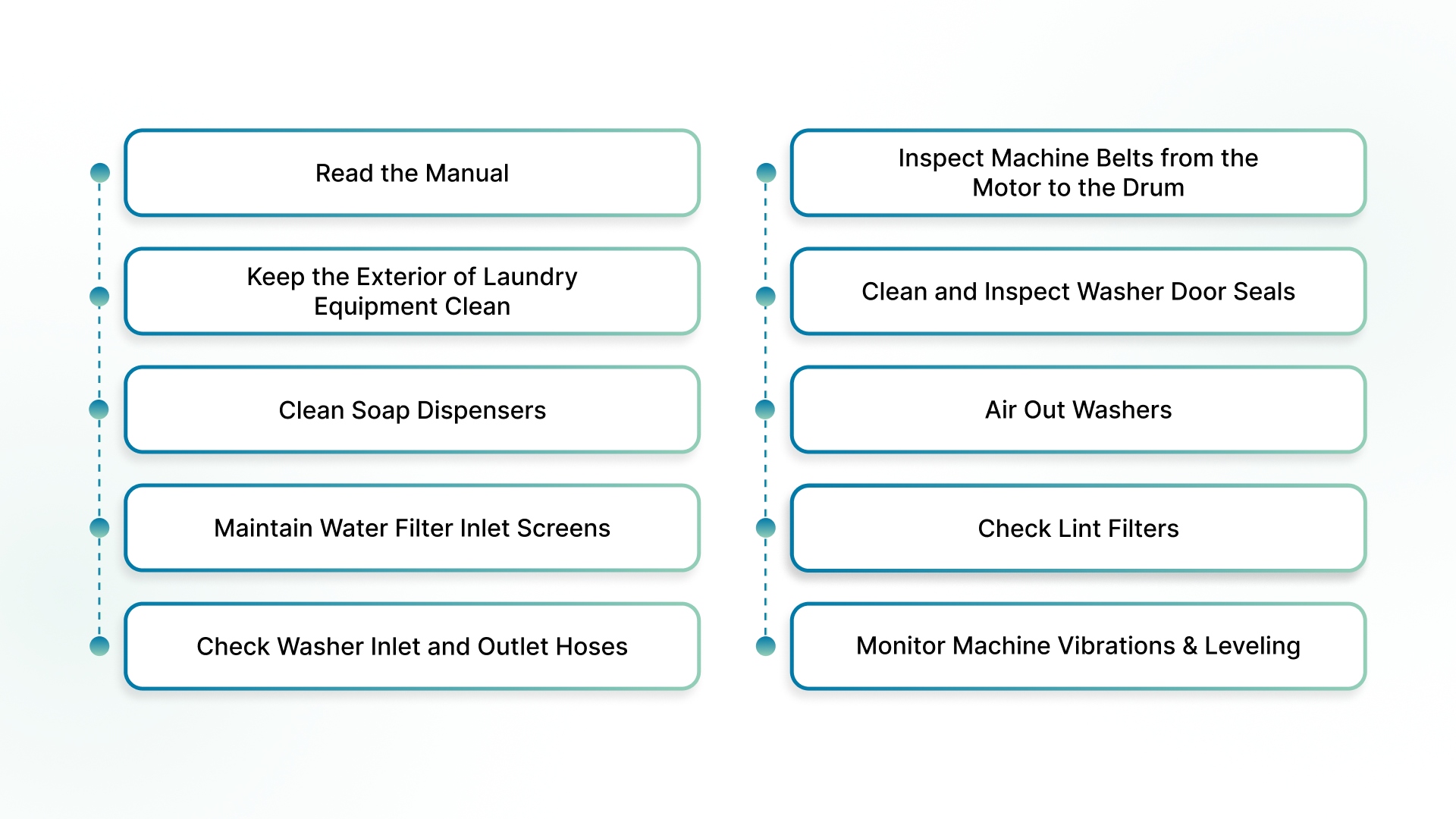
To achieve continuous operational efficiency, here's a handy checklist of key tasks that should be performed regularly to keep your industrial laundry equipment running smoothly:
Read the Manual
Familiarize your team with the manufacturer’s instructions. This ensures adherence to recommended maintenance practices and helps optimize machine uptime.
Keep the Exterior of Laundry Equipment Clean
Cleaning the exterior reduces dirt and debris build-up, improving machine efficiency. It also extends the lifespan of machines, improving the total cost of ownership (TCO).
Clean Soap Dispensers
Regularly clean soap dispensers to ensure even detergent distribution. This optimizes detergent efficiency, reduces waste, and improves wash quality while keeping operational costs low.
Maintain Water Filter Inlet Screens
Clean filters help optimize water flow and reduce water costs. Ensuring proper filtration also extends machine lifespan, improving cost per load and ensuring smooth operations.
Check Washer Inlet and Outlet Hoses
Regular hose checks prevent leaks and reduce water wastage, minimizing water expenses and avoiding costly system failures. This contributes to a stable operating budget.
Also Read: How Softrol Helps the Hospitality Industry
Inspect Machine Belts from the Motor to the Drum
Regular inspection of belts ensures machines run smoothly, preventing costly breakdowns and optimizing machine uptime. This reduces unplanned downtime, helping meet daily throughput goals.
Clean and Inspect Washer Door Seals
Maintaining door seals ensures that washers prevent water leakage and improve energy efficiency, thus reducing energy costs.
Air Out Washers
Leave washers open between uses to prevent mold growth. This helps maintain hygiene, reduces contamination, and prolongs equipment life, which is vital for high-demand sectors like healthcare.
Inconsistent wash results and high rewash rates are common issues caused by improper chemical dosing. Softrol’s Process Control systems, such as the Wash Aisle Systems and Catalyst Chemical Systems, ensure accurate chemical usage and consistent wash formulas, reducing rewash rates and chemical waste, while maintaining reliable quality standards.
Check Lint Filters
Clean lint filters regularly to avoid dryer malfunctions and energy inefficiency. This optimizes dryer performance, reducing scrap rates and ensuring better energy efficiency.
Monitor Machine Vibrations and Leveling
Monitor vibrations regularly to ensure machines are properly aligned. This reduces excessive wear and tear, leading to higher uptime, improved throughput, and better labor efficiency.
Also Read: What Features Make Softrol Rail Better?
Now, let’s look into how these routines improve pounds per labor hour (PPLH) and maintain throughput consistency.
Routine Tasks for Industrial Laundry Equipment Maintenance
Establishing a routine schedule for maintenance tasks is key to ensuring operational efficiency. Here’s how you can break it down:
Daily Tasks
Floor Cleaning and Maintenance: Ensure floors are free of debris to avoid introducing dirt into machines. This reduces strain on equipment and keeps production running smoothly, improving throughput.
Check Water Levels and Drainage: Ensure proper water flow and drainage to prevent water-related malfunctions. This maintains water cost efficiency and prevents unplanned downtime.
Inspect Safety Mechanisms: Check emergency stop buttons and other safety features to ensure proper function, reducing risk and preventing accidents.
Need replacement parts for your industrial laundry equipment? Softrol offers fast OEM service to keep your systems running smoothly.
Weekly Tasks
Sanitize Common Areas: Clean high-touch areas like door handles, control panels, and buttons to maintain hygiene standards, which is essential for high-volume healthcare and hospitality facilities.
Inspect and Clean Exhaust Systems: Regularly clean exhaust systems to maintain air quality, reduce fire hazards, and improve dryer performance.
Check for Leaks: Inspect all machines for leaks, particularly in the water system. Leaks contribute to water wastage and can lead to downtime, impacting lead time stability.
Monthly Tasks
Ventilation and Lighting Checks: Ensure that the facility is properly ventilated and lit. A well-lit environment supports worker productivity and safe operations, enhancing efficiency.
Softrol’s Total Plant Integrated Data solutions, including PulseNet Productivity Systems (PPS), provide real-time insights into material flow, helping you optimize tunnel utilization and reduce downtime, leading to smoother operations.
Lubricate Moving Parts: Apply lubrication to reduce friction and wear, which prolongs the life of key components like belts and bearings, ensuring consistent performance.
Electrical System Checks: Test electrical systems to ensure machines are operating within safe parameters, reducing the risk of downtime caused by electrical failures.
Also Read: Wash Aisle Systems: Making Washer Controls Work For You
Now, let's focus on addressing repairs to sustain machine reliability and reduce repair costs over time.
Industrial Laundry Equipment Repair
While preventive maintenance addresses most issues, some repairs are inevitable. Here’s how you can handle repairs:
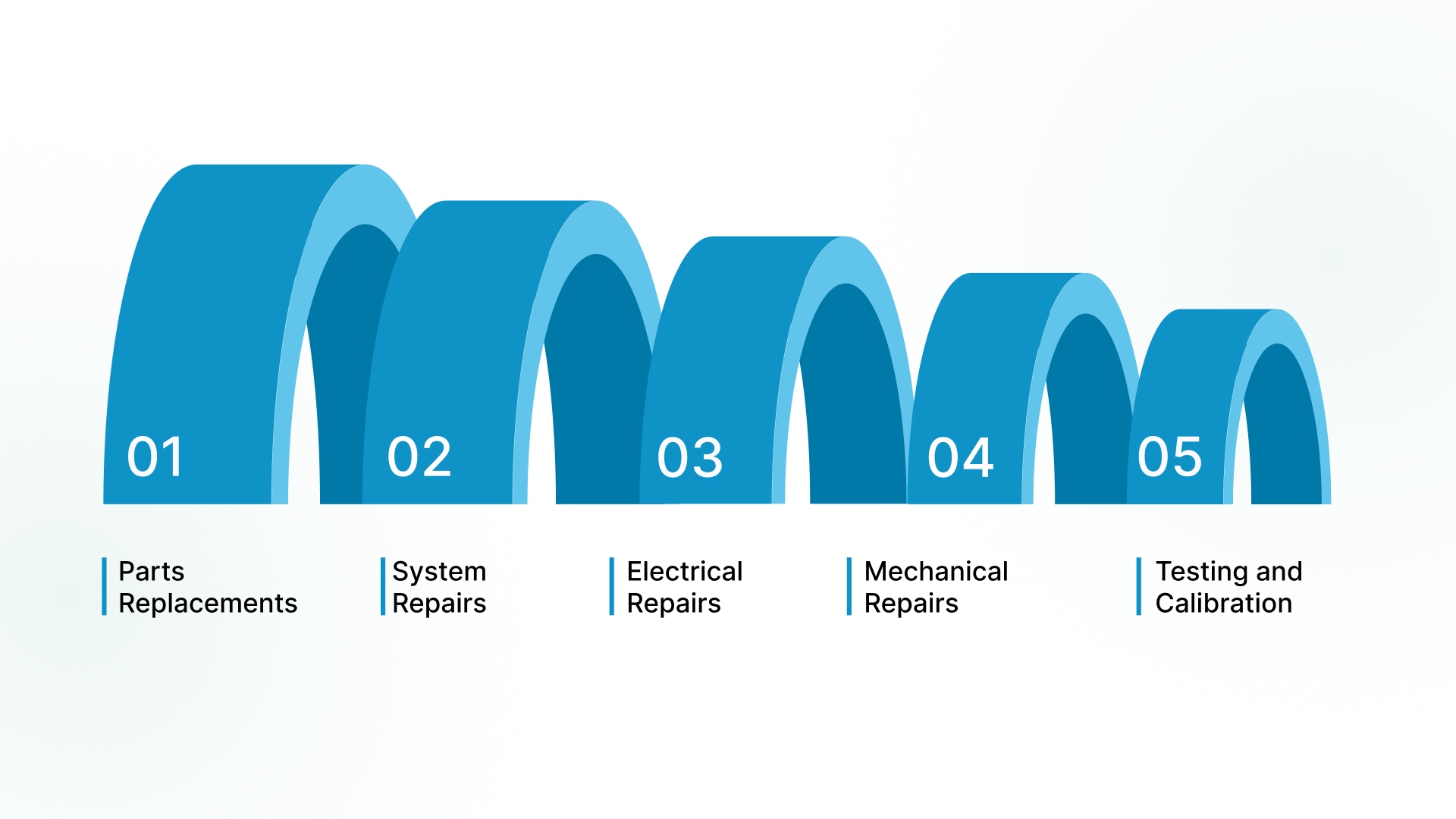
Parts Replacements
Replacing worn-out components, such as drive belts or bearings, keeps machines running at peak efficiency. Certain parts of your laundry equipment will wear out over time and need replacement. Timely replacement reduces the risk of unexpected breakdowns, improving uptime.
Having these parts in stock ensures that your maintenance team can respond quickly and reduce downtime:
Drive Belts: Replace worn drive belts to maintain smooth operation and prevent downtime.
Bearings: Timely bearing replacement reduces friction and ensures reliable equipment performance.
Water and Drain Valves: Replace faulty valves to maintain consistent water flow and prevent leaks.
Drain Hoses: Regularly replace damaged hoses to prevent leaks and ensure efficient drainage.
Switches and Fuses: Replace faulty switches and fuses to avoid operational interruptions.
Airflow Components (lint screens and filters): Replace clogged filters to ensure optimal airflow and improve dryer efficiency.
System Repairs
Address mechanical system failures quickly to prevent further damage. This ensures lead-time stability and keeps your operations running smoothly.
Electrical Repairs
Regular checks of electrical components help prevent power failures and interruptions. This enhances machine uptime and prevents disruptions that could affect productivity.
Mechanical Repairs
Timely repairs of mechanical issues improve machine performance and extend the equipment’s life, reducing the risk of scrap rates.
Testing and Calibration
Ensure that machines are running at optimal settings by calibrating them regularly. This minimizes the risk of variability in wash quality, ensuring consistent results and reducing rework.
Also Read: Softrol's Shipping & Tracking Technology: Is It Worth It?
With repair strategies in place, let’s move on to best practices that improve machine uptime, minimize scrap rates, and boost production efficiency.
10 Best Practices to Keep Your Industrial Laundry Equipment Running Smoothly
Here are some advanced maintenance tips that are highly relevant for plant managers, maintenance managers, and operations managers in industrial laundry settings:
Here are expert tips to ensure your equipment remains in top condition:
Conduct Frequent Inspections
Regular inspections help catch small issues before they escalate into costly repairs. This reduces downtime and boosts operational efficiency.
Document Everything
Track all maintenance tasks to ensure consistency and identify patterns. This improves future planning and helps optimize machine uptime.
Have a Maintenance Schedule and Stick to It
Following a structured schedule reduces downtime and ensures that your machines are always in peak condition.
Consult Your Equipment Guide or Manual
Refer to the manufacturer’s manual for the right maintenance procedures. This ensures efficient machine performance and minimizes maintenance costs.
Leave Washer Doors Open When Not in Use
Prevent mold growth by airing out machines. This improves hygiene and reduces wear, extending the equipment’s life cycle.
Clean the Lint Screen on Dryers Between Each Use
This reduces fire risks and optimizes energy use, improving dryer efficiency and reducing energy costs.
Utilize Leak Detection Technology
Implement technology to spot leaks early, reducing water wastage and preventing damage to machinery, and improving equipment reliability.
Keep Machines and the Surrounding Areas Clean
Maintaining cleanliness prevents dirt buildup, reducing the strain on machines and improving throughput.
Know When to Call a Professional
If a problem persists, call a professional to avoid prolonged downtime and prevent further damage to your equipment, ensuring continuous operation.
Also Read: How We Ensure ROI for the Textile Services/Uniform Rental Industry
After covering operational practices, let’s examine the key factors to consider when hiring a maintenance service to optimize cost per unit and service levels.
5 Factors to Consider When Hiring a Maintenance Service
Choosing the right maintenance provider ensures that your equipment stays in peak condition. Consider these factors when hiring a service:
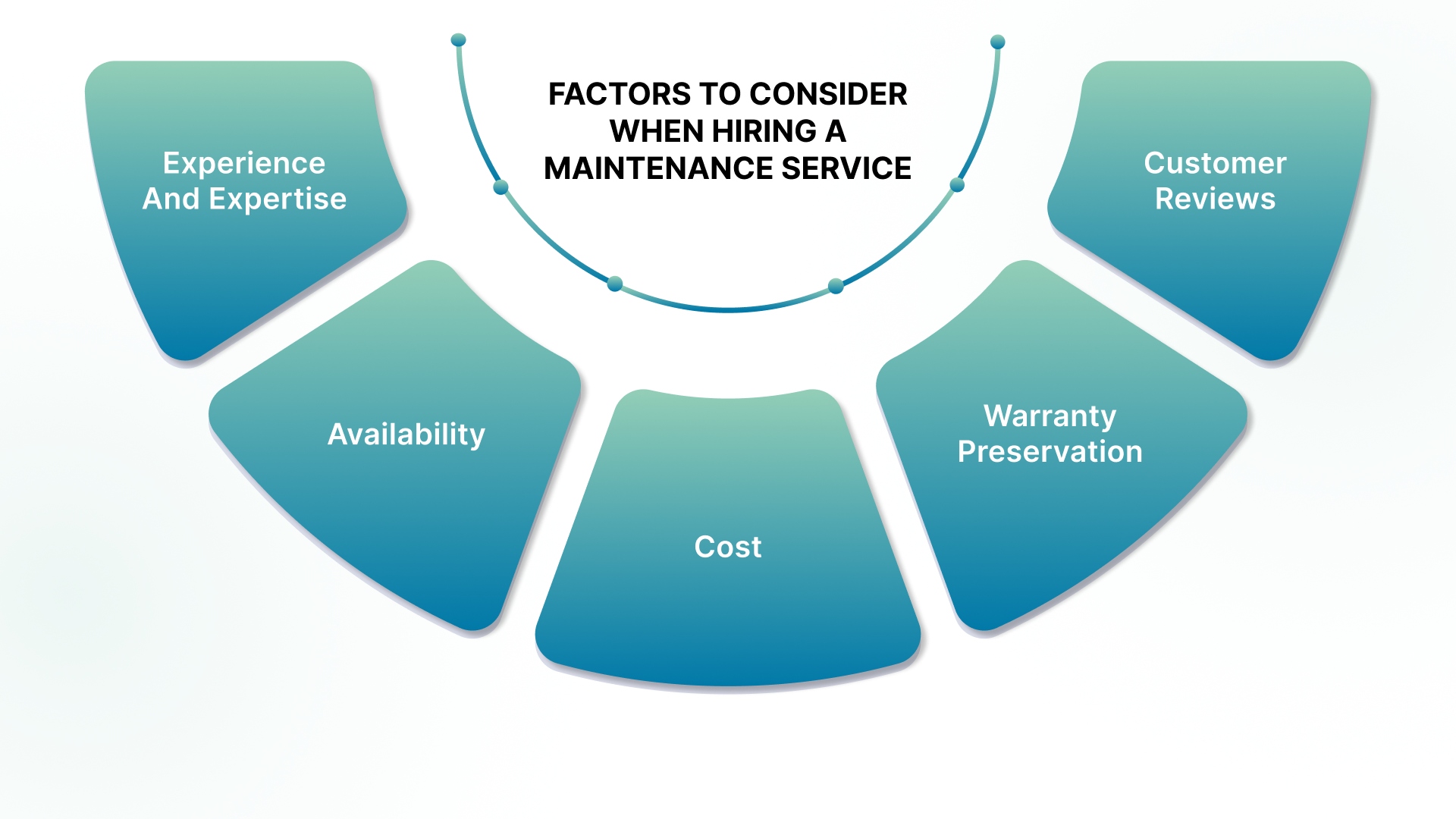
Experience and Expertise: Look for a service provider that understands the complexities of high-volume industrial laundries. This ensures minimal downtime and maximizes throughput.
Availability: Ensure that the provider offers fast response times, reducing the risk of costly delays and ensuring on-time service delivery.
Cost: Compare service costs, but prioritize value. Ensure the service provider’s offerings contribute to reducing operational costs.
Warranty Preservation: Work with service providers who adhere to manufacturer guidelines to protect warranties and avoid voiding coverage.
Customer Reviews: Research the provider’s track record to ensure that they offer reliable and efficient service, contributing to high uptime and improved performance.
Also Read: Softrol Chemical Systems: A Pivotal Part of the Laundry Operation
Now, let’s explore how Softrol’s solutions can maximize your laundry operations.
How Can Softrol Help Optimize Your Industrial Laundry Performance
With over 30 years of experience in industrial automation and total plant management, Softrol helps laundries in healthcare, hospitality, and textile rental industries reduce costs, increase throughput, and achieve real-time operational visibility. Below are Softrol’s core solutions designed to enhance industrial laundry equipment maintenance and optimize your plant's efficiency.
1. Material Handling
Softrol’s material handling solutions reduce manual labor and enhance operational efficiency, which is essential for maintaining high throughput in large laundry facilities:
Soil Sort Systems: Automates sorting, improving sorting speed and reducing mis-sorted loads, enhancing throughput and machine utilization.
Laundry Rail Systems: Replaces manual cart movements, improving material flow and space utilization, minimizing manual labor and increasing efficiency.
Garment Sort Systems: Sorts garments quickly and accurately, reducing staffing needs and ensuring faster order building.
Virtual Rail: Provides real-time tracking, optimizing workflow monitoring and minimizing delays by identifying bottlenecks.
2. Process Control
Softrol’s process control solutions ensure stable wash quality, reduce rewash rates, and lower chemical costs, which is important for maintaining quality consistency and improving operational efficiency:
Wash Aisle Systems: Controls wash formulas, automates sequencing, and coordinates with chemical systems to reduce quality issues and rewash rates.
Catalyst Chemical Systems: Accurate chemical dosing reduces chemical waste, improving cost efficiency and wash quality while minimizing rewash rates.
3. Total Plant Integrated Data
Softrol’s integrated data solutions provide real-time performance tracking, enabling you to make informed decisions, optimize labor efficiency, and enhance overall operational control:
PulseNet Productivity Systems (PPS): Tracks operator and equipment performance, optimizing machine utilization and labor productivity.
Plant Management Systems: Aggregates operational data, helping managers identify performance gaps and improve cost control.
Shipping & Tracking Technologies: Streamlines tracking and manifest generation, reducing shipping errors and improving inventory management.
LOIS (Laundry Operation Information System): Provides mobile access to real-time data, improving decision-making and operational control across multiple plants.
Discover how Gallagher Uniform optimized garment tracking with Softrol’s SofTrak system; read the full success story to learn more.
Conclusion
Following best practices and using industrial laundry equipment maintenance strategies, you can boost productivity, improve cost per unit, and maintain high service levels, all while improving ROI and extending the life of your equipment.
By integrating Softrol’s solutions in automated material handling, precise process control, and real-time data monitoring, industrial laundries can significantly improve equipment uptime, reduce unplanned downtime, and enhance throughput. Softrol’s systems streamline maintenance processes, minimize repair costs, and ensure consistent performance, directly impacting labor efficiency and cost per unit.
Reach out to us today to optimize your laundry operations and reduce maintenance costs with Softrol’s cutting-edge solutions.
FAQs
What are the most common causes of industrial laundry machine downtime?
The most common causes include worn-out parts, clogged filters, water leaks, and electrical issues that disrupt machine performance and reduce operational uptime.
How can preventative maintenance improve productivity in high-volume laundries?
Preventive maintenance reduces unplanned breakdowns, boosts throughput, and ensures machines run efficiently, resulting in higher pounds-per-labor-hour (PPLH) and stable lead times.
How often should I replace drive belts in laundry equipment?
Drive belts should be inspected regularly and replaced every 1-2 years or at the first signs of wear, ensuring uninterrupted machine operation and reducing downtime.
What is the role of water filtration in laundry machine efficiency?
Proper water filtration reduces debris buildup, ensures optimal water flow, and helps minimize water wastage, directly affecting cost per load and machine longevity.
How can I track maintenance schedules for multiple laundry machines?
Use a digital maintenance management system to schedule and track routine maintenance, ensuring timely tasks and minimizing unexpected downtime across all machines.