Healthcare laundry services play an essential part in ensuring the hygiene and safety of patients in hospitals, nursing homes, and other healthcare facilities. With the growing volume of linens and stringent cleanliness standards, managing laundry manually becomes not only complex but also labor-intensive.
Automation simplifies workflows, reduces operational costs while also ensures consistent quality and hygiene. As the healthcare laundry market is projected to exceed USD 8.8 billion by 2032, automation is poised to drive this growth.
In this article, we’ll explore the key benefits, features, best practices, and challenges associated with automating healthcare laundry services.
Key Takeaways
Healthcare laundry automation reduces labor costs by increasing pounds per labor hour (PPLH), improving throughput, and optimizing operations, which leads to better cost control.
Smart dosing systems optimize chemical application, reducing chemical waste, lowering cost per load, and ensuring consistent wash quality for healthcare linens.
Automating wash cycles ensures fabric-specific treatments, improving linen longevity, reducing wear and tear, and minimizing rewash rates, which improves overall cost efficiency.
Advanced hygiene assurance systems like UV sanitizing and automated chemical dosing maintain high sanitation standards, reducing rewash rates and improving linen quality.
Automated systems increase equipment uptime, reduce downtime, and enhance throughput, ensuring reliable service in high-demand healthcare laundry operations.
What Does Automation Mean for Hospital Laundry Services?
Automation in hospital laundry services significantly impacts cost management and quality. For high-volume laundries, it means optimizing operations to meet strict delivery and service-level standards while reducing costs and improving uptime.
Key Benefits of Automation:
Increased Throughput: Automation ensures faster processing of linens, enabling higher pounds per labor hour (PPLH), which directly contributes to meeting high demand.
Improved Quality Control: Automated systems guarantee consistent wash cycles, reducing rewash rates and maintaining stringent hygiene standards for healthcare linens.
Reduced Labor Costs: By automating manual tasks such as sorting, washing, and folding, labor costs are minimized, allowing operators to focus on higher-value tasks.
Energy and Water Efficiency: Automated systems optimize water and energy usage, contributing to cost savings and sustainability goals, reducing the cost per unit.
Better Utilization of Equipment: Automation improves equipment uptime, ensuring machines operate at optimal capacity and reducing downtime, which enhances overall productivity.
For healthcare laundry operations, garment sorting accuracy can often become a bottleneck, especially when manual processes are prone to errors. Softrol’s Material Handling Solutions, like Garment Sort Systems, automate the sorting process, ensuring each uniform goes to the right wearer. With Softrol, you can improve order accuracy, enhance sorting speed, and meet tight delivery timelines, all while reducing staffing costs.
Now, let’s explore the features that ensure wash cycle consistency, reduce rewash rates, and help meet healthcare linen standards.
9 Key Features of Automated Laundry Services
Automated laundry systems come with several advanced features that are essential for high-volume, healthcare-focused laundries. These features help to improve operational efficiency, reduce costs, and ensure high-quality output.
Sanitizing Rinse: A key feature that ensures linens are thoroughly disinfected, meeting the stringent hygiene standards required for healthcare operations, minimizing cross-contamination risks.
High Spin 450G: High-speed spins reduce residual moisture in linens, resulting in faster drying times, higher throughput, and more efficient energy use during the drying process.
Automatic Water Savings and Smart Dosing: Automated systems adjust water levels and detergent dosing based on load size and fabric type, reducing water waste and chemical costs while improving overall wash efficiency.
Adjustable Parameters and Increased Usability: Systems offer adjustable wash settings, providing flexibility to optimize cycles based on fabric type, improving both fabric longevity and wash quality.
Automated Workflow Management: Automated workflows improve labor productivity by streamlining the sorting, washing, and folding processes, reducing the time spent on manual interventions.
Want to optimize your healthcare laundry? Check out our brochures to learn about Softrol’s automation solutions.
Real-Time Visibility and Performance Reporting: Integrated data systems offer real-time visibility into equipment performance and laundry status, improving machine uptime, throughput, and labor efficiency.
Advanced Hygiene Assurance Technology: Technologies like UV sanitizing and automatic chemical dosing ensure linens meet stringent hygiene standards, reducing the risk of infection and maintaining high-quality output.
Scalable Infrastructure for Growing Operations: Automated systems are designed to scale with business growth, ensuring that even as laundry volumes increase, operational efficiency, machine uptime, and quality standards remain intact.
Seamless Integration with Existing Systems: New automation solutions can integrate with legacy equipment, reducing the need for a full system overhaul and ensuring continuous operations with minimal disruption.
Many healthcare laundries are stuck with legacy equipment that limits performance. Softrol offers Process Control Solutions like Wash Aisle Systems and Catalyst Chemical Systems, which modernize control systems, allowing you to improve chemical dosing accuracy and wash consistency without needing to replace all existing equipment.
Let’s look at how best practices ensure fabric longevity, optimize wash cycles, and maintain consistent hygiene standards in automated healthcare laundry systems.
4 Best Practices to Maintain Linen Quality in Healthcare Laundry Automation
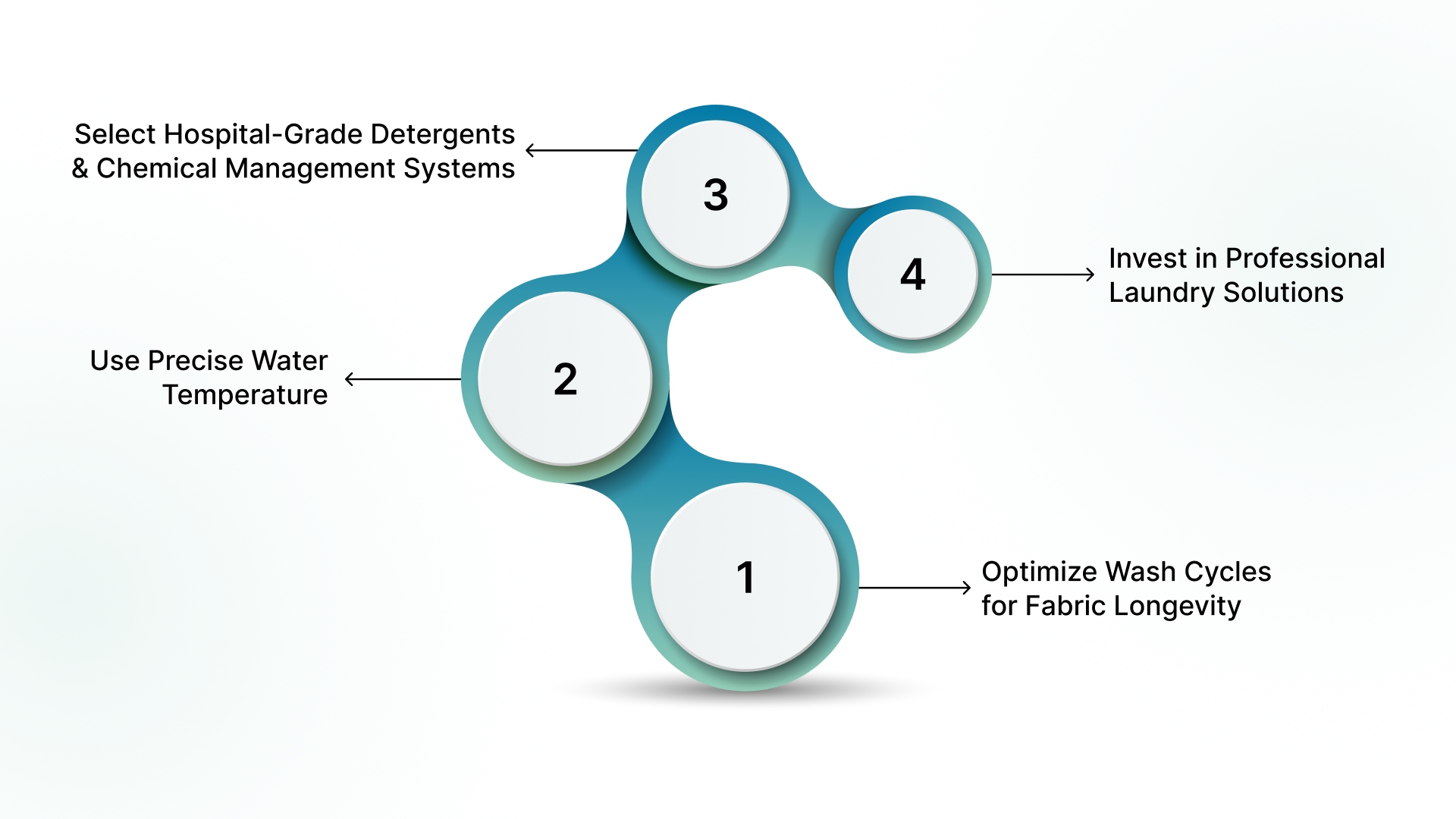
To ensure that healthcare laundry automation delivers consistent, high-quality results, following these best practices is essential.
Optimize Wash Cycles for Fabric Longevity
Optimizing wash cycles based on fabric type and usage is key to maintaining linen quality while extending fabric life.
Use Fabric-Specific Cycles: Customize wash cycles for different types of linens (e.g., towels, sheets) to prevent excessive wear.
Maintain Optimal Wash Time: Avoid over-washing to preserve fabric integrity and reduce mechanical stress.
Regular Equipment Calibration: Ensure that all machines are calibrated correctly to guarantee consistent wash cycles.
Use Precise Water Temperature
The right water temperature is crucial for effective cleaning while protecting fabric integrity.
Recommended Temperature Ranges: Maintain wash temperatures between 140-160°F to ensure efficient cleaning without damaging linens.
Heat Sensors and Monitoring: Use automated temperature controls to avoid overheating, which can harm fabrics.
Avoid Excessive Heat: Keep temperatures within recommended ranges to prevent fiber damage and shrinkage.
Also Read: Running on rails with softrol rails system
Select Hospital-Grade Detergents and Chemical Management Systems
Using the right detergents ensures the linens are sanitized while maintaining fabric quality.
Automated Chemical Dispensers: Ensure precise chemical dosing to optimize wash quality and reduce detergent waste.
Eco-Friendly Options: Choose sustainable, hospital-grade detergents that meet cleaning standards without harming the environment or linens.
Chemical Monitoring Systems: Implement automated systems that monitor and adjust chemical levels to ensure optimal performance and safety.
Invest in Professional Laundry Solutions for Operational Efficiency
Investing in advanced laundry technology ensures long-term operational success and consistently high-quality results.
Advanced Equipment: Modern equipment ensures efficient use of energy, water, and chemicals, reducing cost per unit.
Technology Integration: Integrate equipment with plant-wide data systems for continuous performance monitoring, improving operational efficiency.
Operational and Financial Advantages: High-quality systems deliver improved throughput, reduced downtime, and a more predictable cost structure.
Lack of real-time data often leaves managers relying on anecdotal feedback or outdated spreadsheets, making it difficult to optimize operations and justify staffing decisions. Softrol’s Total Plant Integrated Data Solutions, such as PulseNet Productivity Systems (PPS) and LOIS, provide live, actionable insights into machine utilization, labor efficiency, and overall throughput.
While automation brings clear benefits, let’s address common challenges such as integration and capital expenses and how to overcome them effectively.
4 Challenges in Healthcare Laundry Automation
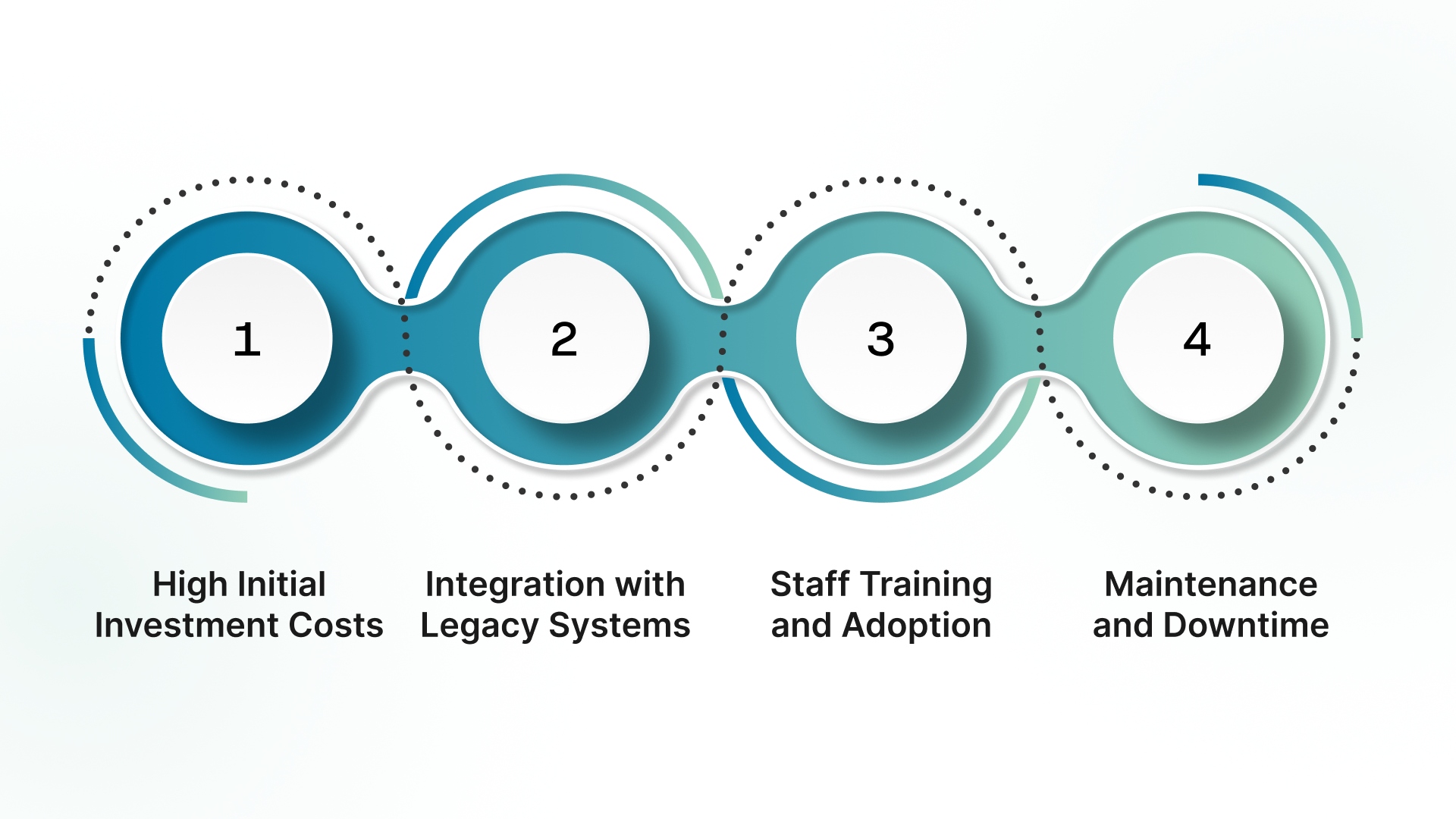
While healthcare laundry automation offers significant benefits, there are challenges to consider. These can be addressed with the right solutions and planning.
Challenge 1: High Initial Investment Costs
Automation systems require significant upfront capital, which can be a barrier for some healthcare facilities.
Solution: Use financing options or phased investment plans to implement automation incrementally, maximizing ROI over time
Challenge 2: Integration with Legacy Systems
Many healthcare laundries operate a mix of old and new equipment, complicating integration with automated systems.
Solution: Choose automation solutions designed for seamless integration with legacy equipment, reducing the need for a full system overhaul.
Keep your healthcare laundry operations automated and running efficiently with Softrol’s OEM replacement parts. Get the parts you need, fast.
Challenge 3: Staff Training and Adoption
Transitioning to automated systems may require staff to learn new processes and systems, which can cause temporary disruptions.
Solution: Provide comprehensive training for staff, ensuring smooth adoption and ongoing system performance.
Challenge 4: Maintenance and Downtime
Automated systems require regular maintenance to ensure optimal performance and avoid costly downtime.
Solution: Implement a preventative maintenance schedule to keep systems running smoothly and minimize unplanned downtime.
Also Read: Which Garment Sort System Is Right for Your Plant?
With Softrol’s solutions, automate and optimize laundry workflows, reduce labor costs, and improve quality consistency, ensuring peak performance in healthcare laundry facilities.
Why Choose Softrol to Automate Your Healthcare Laundry Workflow
In healthcare laundry facilities, maintaining high standards of hygiene while improving operational efficiency is crucial. Softrol specializes in healthcare laundry automation, helping hospitals and healthcare facilities automate material handling, stabilize wash and chemical processes, and provide real-time data visibility.
By utilizing Softrol’s automation solutions, healthcare laundries can reduce labor costs, improve throughput, and ensure high-quality service levels. Here's how Softrol’s three core solutions benefit healthcare laundry automation:
1. Material Handling
Softrol’s Material Handling Solutions are designed to automate critical processes like sorting and transporting linens, improving operational efficiency and reducing labor costs, which are essential for healthcare laundries:
Soil Sort Systems: Automates soil sorting by customer, product, or wash classification, increasing pounds per labor hour (PPLH) and reducing labor costs in high-volume healthcare laundries.
Laundry Rail Systems: Overhead monorail systems automate the transport of both clean and soiled linens, replacing manual cart movements, optimizing material flow, and freeing up valuable floor space in healthcare facilities.
Garment Sort Systems: Automated garment sorting reduces errors, speeds up order building, and cuts down on staffing needs, improving throughput and reducing manual sorting labor in healthcare environments.
Virtual Rail: Provides real-time tracking of trolleys, helping supervisors quickly identify and resolve bottlenecks, boosting on-time performance, and ensuring better workflow management.
2. Process Control
Softrol’s Process Control Solutions ensure healthcare linens are washed efficiently, maintaining high hygiene standards while minimizing chemical waste and reducing rewash rates:
Wash Aisle Systems: Automated controls ensure consistent wash formulas, improving wash quality while maintaining a stable process across tunnel washers, extractors, and dryers. This reduces cost per load and increases equipment uptime.
Catalyst Chemical Systems: Softrol’s Catalyst Chemical Systems provide precise chemical dosing, ensuring accurate use and chemical efficiency while lowering overall costs. By reducing chemical waste, these systems help healthcare laundries cut costs and improve wash consistency.
3. Total Plant Integrated Data
Softrol’s Total Plant Integrated Data Solutions provide real-time visibility into the performance of machines and operators, enabling data-driven decision-making that improves operational efficiency:
PulseNet Productivity Systems (PPS): Softrol’s PulseNet Productivity Systems measure and monitor operator productivity and machine performance in real time, helping managers reduce labor costs, optimize staffing, and improve machine uptime.
Plant Management Systems: These systems aggregate data across various laundry operations, offering a consolidated view of plant performance. This helps identify potential issues and performance gaps, allowing management to take proactive action to improve operational efficiency.
Shipping & Tracking Technologies: Softrol’s Shipping & Tracking Solutions optimize the tracking of finished goods, reducing shipping errors, enhancing inventory management, and improving traceability within the healthcare laundry process.
LOIS (Laundry Operation Information System): The LOIS platform provides web and mobile access to real-time data, offering managers and executives performance reporting across multiple plants, ensuring better decision-making and more effective plant-wide oversight.
Learn how Crown Healthcare Laundry optimized operations with Softrol’s Soil Sortation & Rail Systems; read the full success story for more insights.
Conclusion
Healthcare laundry automation offers undeniable benefits for high-volume healthcare laundries, including reduced labor costs and improved linen quality. Despite the challenges of initial investment and system integration, the long-term benefits of automation, improved throughput, equipment uptime, and reduced downtime make it a worthwhile investment for the future of healthcare laundry operations.
Softrol provides solutions in automated material handling, precise process control, and real-time data integration to optimize healthcare laundry automation by improving throughput, reducing labor costs, and ensuring consistent wash quality. Softrol’s Soil Sort Systems, Catalyst Chemical Systems, and PulseNet Productivity Systems (PPS) work together to enhance equipment uptime, lower chemical waste, and streamline operations, directly addressing the unique challenges of healthcare laundries.
Contact us today to transform your healthcare laundry automation with Softrol’s advanced systems.
FAQs
How does healthcare laundry automation impact labor costs?
Healthcare laundry automation significantly reduces manual tasks, increasing pounds per labor hour (PPLH), cutting labor costs, and improving operational efficiency without compromising quality.
What is the role of smart dosing in healthcare laundry automation?
Smart dosing ensures accurate chemical application, reducing chemical waste, lowering cost per load, and improving wash quality while maintaining fabric integrity in high-volume laundry operations.
How does automated wash cycle optimization affect linen durability?
Automated wash cycles are tailored for specific fabric types, reducing wear and tear, extending linen life, and ensuring quality control in healthcare laundry operations.
What are the key features of automated hygiene assurance technologies?
Advanced hygiene assurance technologies, like UV sanitizing and automated chemical dosing, ensure consistent sanitation, reducing rewash rates and improving overall linen quality in healthcare facilities.
How does healthcare laundry automation improve equipment uptime?
Automation systems reduce human error, minimize downtime, and enhance equipment reliability, leading to improved uptime, better throughput, and higher cost-effectiveness in large-scale laundry facilities.