Ever felt frustrated when wash quality shifts across loads even though nothing in your process changed? Many plant teams deal with the same issue: chemical variation that slips through and disrupts output, timing, and customer expectations.
You manage high volume. You depend on consistent results. Yet manual dosing often adds risk, eats into uptime, and forces supervisors to spend time on avoidable checks instead of production flow. That pressure builds fast when multiple sites need stable results day after day.
In this blog, we’ll explore why chemical accuracy matters for coin laundries and large wash floors, how modern liquid dosing systems work, the operational gains they bring, and the checks smart operators use when selecting a system.
Key Takeaways:
Automated dosing helps coin laundries reduce wash variation and keep results consistent across shifts.
Flowmeters, flushing steps, and alarms support steady chemical delivery with less manual attention.
Teams gain clearer visibility into usage patterns, which strengthens planning across multiple sites.
Plants avoid common dosing mistakes when they rely on verification, calibration, and routine checks.
Softrol’s Catalyst systems give operators structured control, predictable dosing, and strong support for high-volume wash floors.
The Hidden Problems Manual Dosing Creates in Busy Coin Laundries
Manual dosing often creates more pressure than many coin laundries expect, especially when production targets rise, and small chemical variations begin to impact overall wash consistency. These issues appear across shifts, so the points below highlight the areas that usually cause the most disruption for busy teams.
Wash Quality Variations: Manual dosing introduces inconsistent chemistry that affects fabric care, load outcomes, and customer expectations during high-volume production periods.
Labor Dependence and Process Inconsistency: Staff must repeat dosing steps with absolute precision, which becomes difficult to maintain when multiple machines demand attention at the same time.
Chemical Handling and Safety Risks: Frequent contact with concentrated products increases exposure risk for operators, especially when workflows speed up during peak operating hours.
No Clear Traceability for Chemical Usage: Without automated logs, supervisors struggle to review chemical movement, making root-cause checks harder when quality issues appear unexpectedly.
Downtime Caused by Dosing Mistakes: Miscalculations or missed pours slow equipment cycles, forcing operators to restart loads or troubleshoot issues during already tight production windows.
You now have a clearer view of the pressures manual dosing creates, so the next step is understanding how a structured system removes these gaps.
Also Read: How Catalyst Chemical Systems Increase Efficiency
How a Modern Liquid Dosing System for Coin Laundries Actually Works
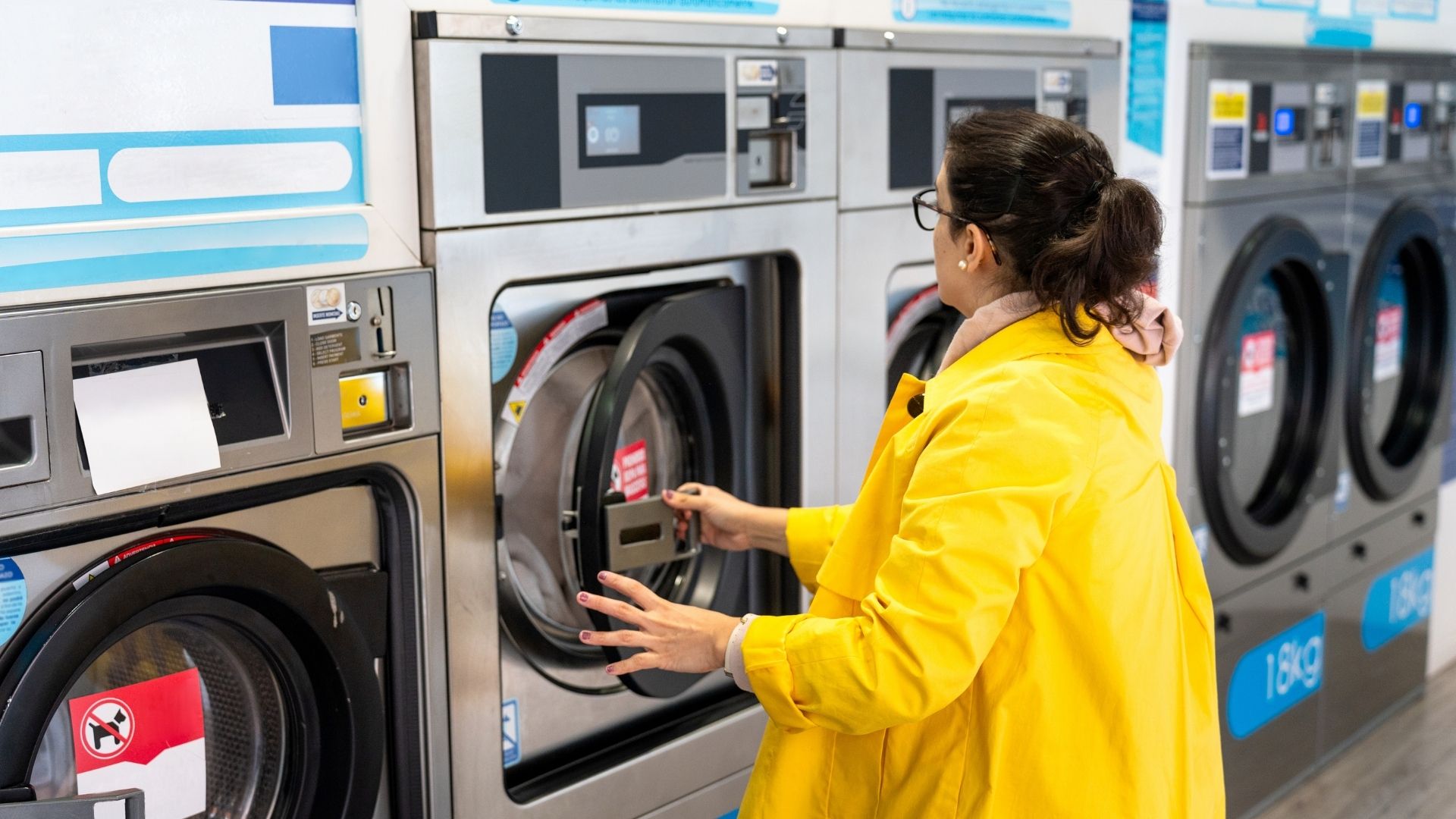
A modern liquid dosing system manages chemical delivery with structured control, giving coin laundries a predictable way to support consistent wash results across busy production hours. The system brings together hardware, sensors, and verification steps that keep dosing accurate without placing extra pressure on operators.
Here are the core elements that make the process work reliably on a high-volume wash floor:
Core Components: The system combines pumps, valves, supply lines, and a control unit that work together to move chemicals to each washer with steady delivery timing.
Central or Machine-Level Supply Paths: Plants can use a central system feeding multiple machines or an individual setup where each washer receives product through its own dosing path.
Flow-Meter Delivery with Calibration Control: Each module uses a flowmeter that tracks movement and supports calibration steps, helping maintain accuracy across chemicals with different characteristics.
Flush Verification Between Chemicals: Water-based flushing clears lines between shots and confirms flow, giving operators a clear indicator that the product reached the intended point without contamination.
Alarms for Delivery or System Issues: Alerts signal low air pressure, missed chemical movement, long delivery cycles, or mismatched calibration, helping staff correct issues before loads are affected.
Formula Management and Communication: Formula requests reach the dosing system through a network connection, and the system verifies delivery before the next tunnel movement or washer step proceeds.
Now that the mechanics are clear, you can better evaluate how the setup supports production goals on a busy schedule.
Also Read: What Are Catalyst Chemical Injection Systems?
The Operational Wins You Get With Automated Chemical Delivery
Automated chemical delivery gives coin laundries a more controlled process that supports stable wash outcomes, predictable cycles, and fewer disruptions during busy production periods.
Here are the operational gains most plants notice once the dosing process moves away from manual handling:
Consistent Chemistry Across Loads: Automated dosing sends measured amounts through calibrated flowmeters, helping reduce quality shifts that often appear when workers handle chemicals manually.
Higher Uptime With Fewer Dosing Interruptions: Delivery alarms for air pressure issues, long cycles, or missed flow help teams fix problems early, keeping washers and tunnels moving without unnecessary delays.
Reduced Labor Involvement in Chemical Handling: Operators spend less time measuring and pouring products, which lowers their exposure risk and frees them to manage other production tasks during peak hours.
Clear Visibility for Multi-Site or High-Volume Teams: Activity logs and formula tracking give supervisors reliable insight into chemical patterns, supporting clearer decisions across shifts and multiple locations.
More Predictable Inventory Planning: Accurate delivery records help identify usage trends, giving procurement teams the clarity they need to plan stock without relying on guesswork or manual counts.
Safer and More Controlled Washroom Practices: Flushing between shots and controlled air and water systems reduce cross-contamination risk while creating a cleaner process for operators handling multiple chemicals.
Once these benefits are understood, your next move is to review the criteria that help you choose the right dosing setup.
Ready to see how a structured dosing setup can support your production goals? Explore the Softrol Catalyst system designed for commercial and industrial laundries.
What Smart Laundry Operators Check Before Choosing a System

Owners, plant teams, and engineering groups in commercial and industrial laundries want a dosing setup that supports steady production without adding new points of failure. Textile rental and workwear rental operators also expect a system that fits their workflows while giving IT and continuous improvement teams clear data.
Here are the checks many decision-makers rely on before choosing a platform:
Vendor Experience in Laundry Automation: Operators look for a supplier with proven knowledge of tunnel systems, washer-extractors, chemical routines, and the demands of round-the-clock production environments.
Support for Single, Multi-Pump, and Tunnel Setups: Plants need a system that matches their current wash floor, whether they run a few small machines or a high-volume tunnel with multiple modules.
Reporting and Activity Tracking: IT and CI teams depend on accurate dosing logs, formula timestamps, and delivery records to support analysis across shifts or multiple facilities.
Delivery Alarms and Feedback Controls: Operations managers expect alerts for low air pressure, calibration mismatches, long delivery cycles, and flow errors to protect wash quality.
Engineering and Technical Support: Maintenance staff want clear access to calibration steps, flowmeter checks, and component layouts, making service tasks easier during planned downtime.
Compatibility With Wash Aisle or Plant Systems: IT teams check that the dosing setup communicates formula requests and delivery status clearly across the wash aisle or the wider plant network.
Scalability for Multi-Site Operators: Textile rental groups and uniform rental businesses often need consistency across locations, so they prefer systems that support networked control and future growth.
Parts Availability and Service Reliability: Plant managers look for fast access to pumps, valves, flowmeters, and control hardware to keep downtime low during maintenance or unexpected service events.
With these checks in mind, it helps to understand the mistakes that often create dosing issues during daily production.
Also Read: Laundry Chemical System
The Mistakes That Keep Coin Laundries From Getting Dosing Right
Many coin laundries run into dosing troubles that seem small at first but grow quickly as load counts rise and staff rotate across shifts. These issues often appear when teams rely on habits rather than structured checks, making wash quality and timing harder to control.
Here are the mistakes that create the most disruption on busy floors:
Using the Same Ratio for Every Load: Plants sometimes apply one dosing amount across mixed fabrics, which leads to wash variation when soil levels or material types shift during regular production.
Skipping Preventive Maintenance Tasks: Pumps, valves, and flow components need periodic checks, and missed service windows often create issues that appear unexpectedly during high-volume periods.
Ignoring Dosing Logs and Alarm Messages: Alerts tied to slow flow, missed chemical movement, or air pressure drops help teams correct problems early, yet these signals often get overlooked during rush hours.
Assuming Delivery Accuracy Without Verification: Without flushing or calibration checks, lines may carry leftover product or partial shots, creating inconsistent chemistry that affects multiple loads across a shift.
Knowing these risks gives you a stronger starting point for planning a rollout that protects uptime and wash quality.
Also Read: Improve Plant Automation through Softrol's Wash Aisle Controls
A Simple Rollout Plan That Helps You Avoid Downtime
Rolling out a dosing system becomes far easier when each phase is planned, documented, and reviewed with the teams who run the wash floor daily. A clear roadmap helps plant managers, maintenance crews, and supervisors protect uptime while ensuring the new setup supports stable production.
Here is a simple plan you can adapt to your site:
Rollout Step | What the Team Should Focus On |
Pilot and Baseline Tracking | Start with a few machines to record current chemistry, load timing, and wash consistency before switching to automated delivery. |
Formula Programming and Calibration | Enter formulas carefully and complete calibration checks to confirm the flowmeter counts match actual movement for each chemical. |
Operator and Maintenance Training | Walk staff through alarms, flushing steps, calibration points, and routine checks so they can respond quickly during production. |
Phased Rollout Across the Floor | Add machines or modules in stages to control risk and review performance data before expanding to the next group. |
Scheduled Reviews and Service Tasks | Plan regular checks for pump torque, air supply, strainers, flowmeters, and hoses to prevent avoidable production issues. |
With your rollout steps outlined, the next point is understanding how Softrol supports these goals through its system design.
Also Read: Softrol Systems: Providing a Total Plant Management Solution
Inside Softrol’s Catalyst Systems: What Sets It Apart
Softrol’s Catalyst platform gives laundry teams a structured way to control chemical delivery with clear feedback, predictable dosing, and strong coordination across tunnel modules. The system supports high-volume plants that need accurate delivery, repeatable results, and stable communication with wash aisle controls.
Here are the elements that help the system stand out in demanding production environments:
Flow-Meter Volumetric Injection: Each manifold uses a dedicated flowmeter that measures movement with precision, allowing accurate delivery to every tunnel module in the system.
Module-Level Manifold Control: Each module receives dedicated valves, a calibration outlet, and a flowmeter, giving plants a structured layout that helps maintain consistent results.
Water Flush Verification: Controlled water flush cycles clear lines between products, helping prevent cross-contamination and supporting predictable chemical movement into the tunnel.
Real-Time Alarms and Watchdogs: Alerts for missed flow, low air pressure, calibration mismatches, or sensor issues help operators correct problems before they impact production.
PulseNet PC Software for Formula Control: PulseNet PC software stores all formulas inside the controller and allows the system to manage a queue of 20 formulas during tunnel operation.
ArcNet Industrial Communication: The system uses ArcNet industrial communication to send chemical requests, status updates, and formula data across the wash aisle controls.
Support for Up to 10 Nodes on a Bus-Style Network: The platform can connect up to 10 nodes on a bus-style network, giving larger plants room to expand their communication structure.
Scalable Chemical and Manifold Counts: The system supports multiple chemicals and several manifolds, allowing teams to match configurations to their tunnel design and load mix.
Clear Calibration Tools: Calibration routines account for product differences, helping plants maintain dosing accuracy with predictable checks built into the control system.
Maintenance Support Features: Access to strainers, pump checks, and cleanable flowmeters helps teams keep performance stable across shifts with structured maintenance routines.
Multiple Series Options for Different Plant Needs: S-Series, XT, LTLF, C-Series, Classic, Dual Inject, and T-Series options cover everything from compact washer setups to full tunnel operations.
Curious how similar laundries strengthened their dosing process? Review our customer stories to see how Catalyst supported their production goals.
Final Takeaway
Automated chemical delivery gives busy laundries a clearer path to consistent wash results, stronger production stability, and fewer surprises during peak demand periods. The gains become even more visible when teams rely on structured controls, verified delivery steps, and dependable alarms that protect quality across every shift.
Softrol supports these goals by offering systems built to match the needs of commercial laundries, textile rental plants, uniform rental operations, and institutional facilities moving high volumes each day. If you want steadier chemistry, a dosing process that supports your production goals, Softrol can help you review options that fit your wash floor.
Ready to discuss your operation or schedule a walkthrough with our team? Contact Softrol today to start a conversation about your plant’s chemical delivery needs.
FAQs
How long does it take for teams to adapt to an automated dosing setup?
Most operators adjust quickly because the system removes manual steps, leaving staff to focus on load flow and checks they already perform each day.
Can a dosing system support different chemical brands used across multiple sites?
Yes, most platforms accept a wide range of products, allowing plants within the same group to keep current supply contracts without changing their chemical program.
What happens if a washer or tunnel module skips a chemical call during busy hours?
The control typically records the missed call and alerts the operator, giving the team a chance to address the issue before the load progresses.
Do these systems require dedicated water quality standards for flushing?
They work with common utility water as long as the temperature and pressure fall within the ranges the manufacturer recommends for consistent flushing cycles.
How often should plant teams review dosing reports across multiple locations?
Many supervisors review logs weekly to spot trends, while regional leaders in multi-site groups prefer monthly reviews to compare usage patterns across facilities.